In modern livestock farms, manure is often collected in channels or storage pits as a slurry containing a wide range of particle sizes, bedding residues, and other foreign materials. Without adequate separation, this mixture can be difficult to pump, causes sediment build-up in tanks, and may lead to uneven distribution when applied to the fields. Proper filtration helps stabilise the characteristics of the manure and facilitates its use as a natural fertiliser.
The filtration process aims to remove coarse solids and undesired materials from the slurry, producing a more homogeneous and manageable product. By separating a solid fraction and a clarified liquid fraction, farmers can optimise storage capacity, adapt spreading strategies to agronomic needs, and reduce the risk of blockages in pumps, pipes, and spreading equipment. This also supports better control of odours and overall hygiene in the manure handling system.
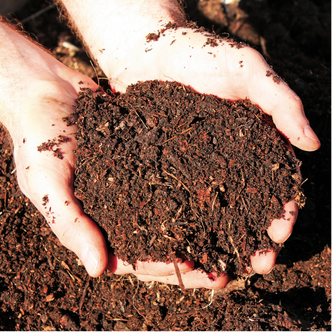
Vibrating sieving offers an effective solution for cattle manure filtration, as it allows continuous operation on high-moisture, heterogeneous products. Key parameters such as mesh size, throughput, and installation point must be carefully defined to balance separation efficiency, energy consumption, and ease of maintenance. The equipment must also cope with variable feed consistency and the presence of fibrous materials.
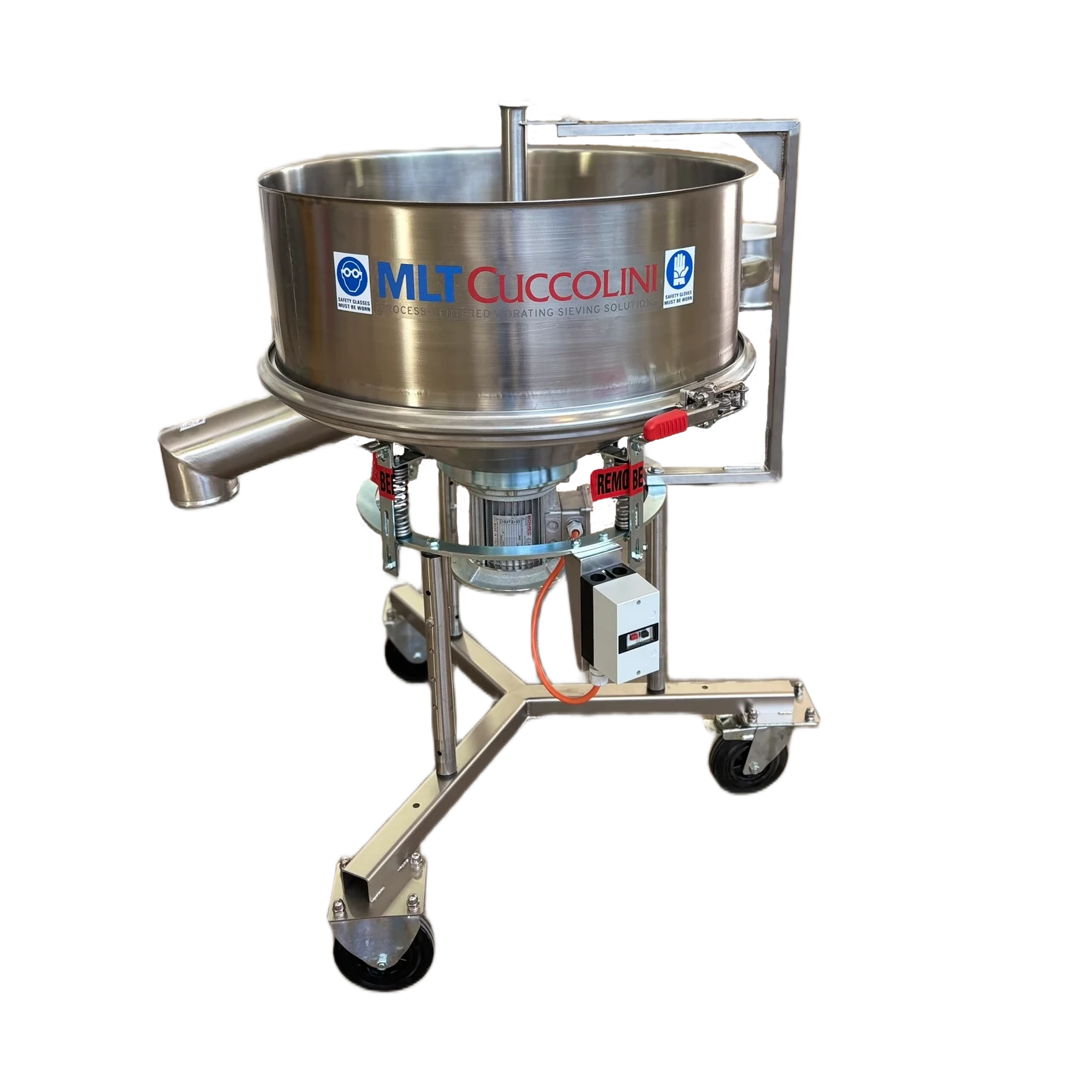
MLT Cuccolini VLM vibrating sieves are particularly suited for this application and have been used in manure filtration since the 1970s. Typically installed on manure reception lines or before storage tanks and separation units, VLM machines filter the slurry to remove coarse solids and reduce the overall solids load. Their controlled vibration and design for liquid and semi-liquid products support stable operation even with fluctuating feed conditions.
The robust construction of VLM sieves ensures long service life in demanding agricultural environments, where exposure to moisture, corrosive elements, and continuous operation is common. Maintenance and cleaning operations are facilitated by accessible design features, helping operators keep the system in optimal condition and avoid prolonged downtime.
Using MLT Cuccolini VLM vibrating sieves for cattle manure filtration helps transform a difficult-to-handle slurry into a more homogeneous and pumpable product, improving the efficiency of storage and field application. Effective separation supports better protection of downstream equipment and contributes to more reliable and controlled use of natural fertilisers.
The long-standing experience of VLM units in this field, combined with their robust design and adaptability, makes them a dependable choice for farms and agricultural installations looking to enhance manure management and sustainability.
Contact MLT Cuccolini to discuss your cattle manure filtration needs and identify the most suitable VLM vibrating sieving configuration for your specific agricultural installation.