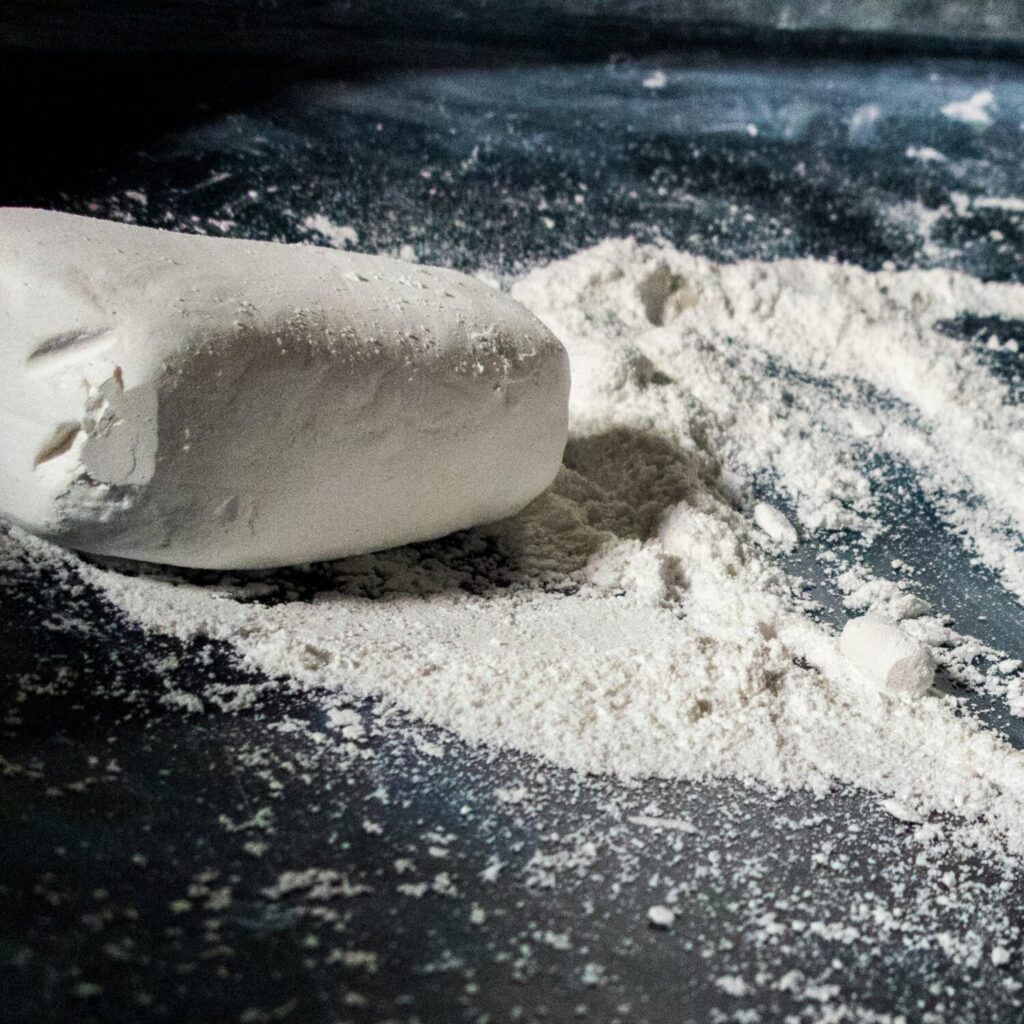
Abrasive powders for bonded, coated, or metal-bond tools are typically produced through crushing and milling processes that generate a broad particle size distribution. Within this distribution, coarse particles can cause scratching or uncontrolled material removal, while very fine fractions may reduce cutting efficiency, increase dust, or alter the rheology of the mix in which the abrasive is incorporated.
Classification by vibrating sieving focuses on obtaining a narrow, on-spec granulometric range, often extending into the superfine fraction below 100 µm. The process removes the oversize particles and, where required, also eliminates excessive fines to stabilise the behaviour of the abrasive blend. This directly impacts tool consistency, dressing characteristics, and the repeatability of finishing operations on the end user's machines.
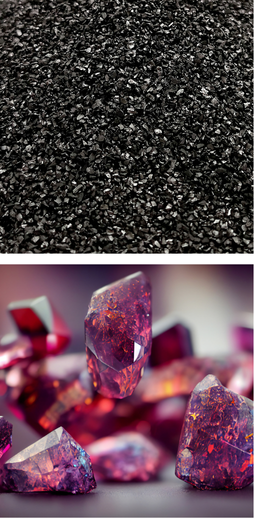
Vibrating sieving is particularly suitable for abrasive powders because it combines precise separation with robust handling of dense, often angular particles. Key parameters such as mesh size, throughput, and installation point must be carefully defined, considering the desired cut points, the hardness and shape of the abrasive, and the need to minimise wear and contamination in the screening equipment.
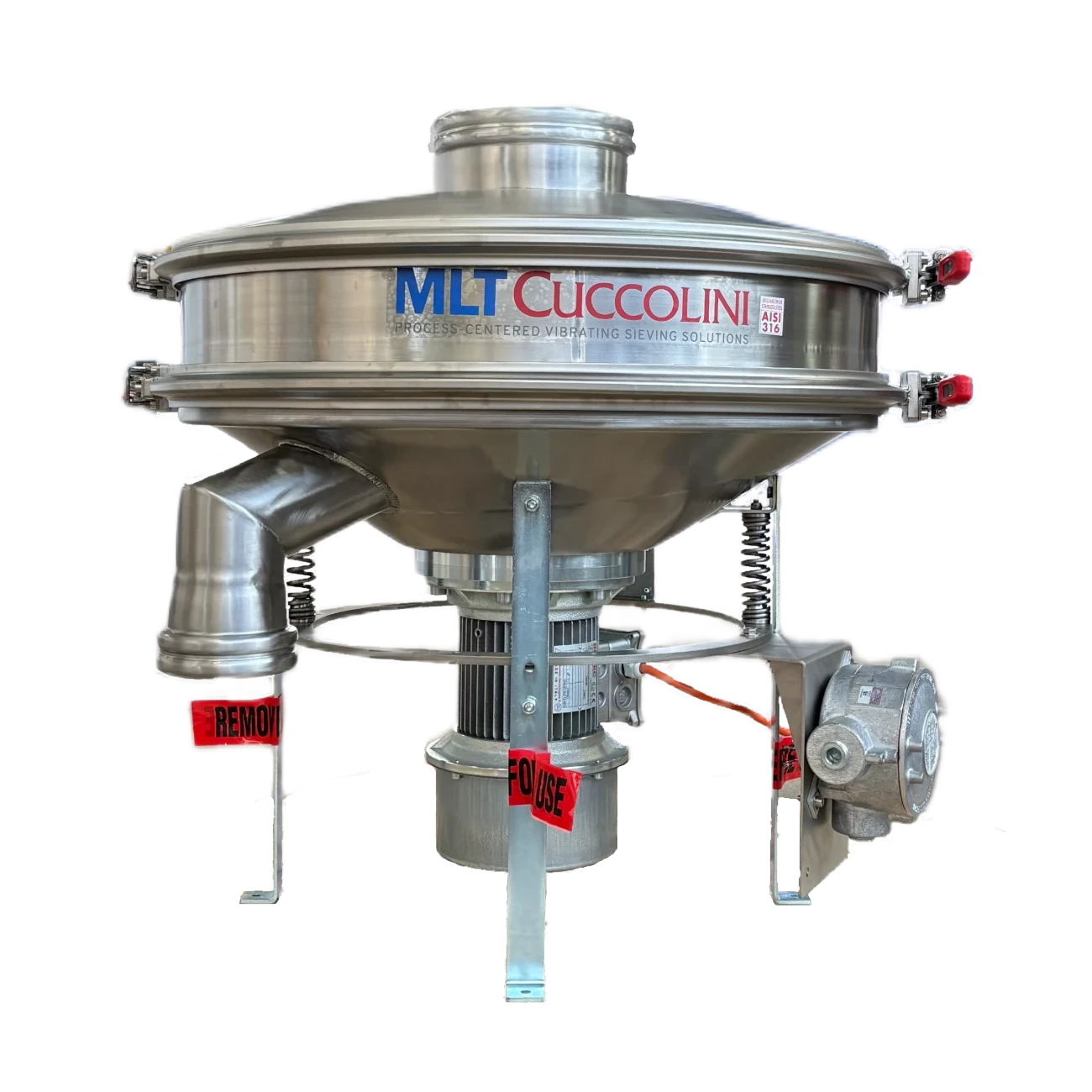
MLT Cuccolini VPB vibrating sieves are well suited for small to medium batches or specialty abrasive grades. Typically installed after milling or blending stages, VPB units can operate with multiple decks to separate oversize, on-spec, and fine fractions in a single pass. Their compact design and calibrated vibration support a stable cut even in the superfine range, making them suitable for high-value diamond and superabrasive powders.
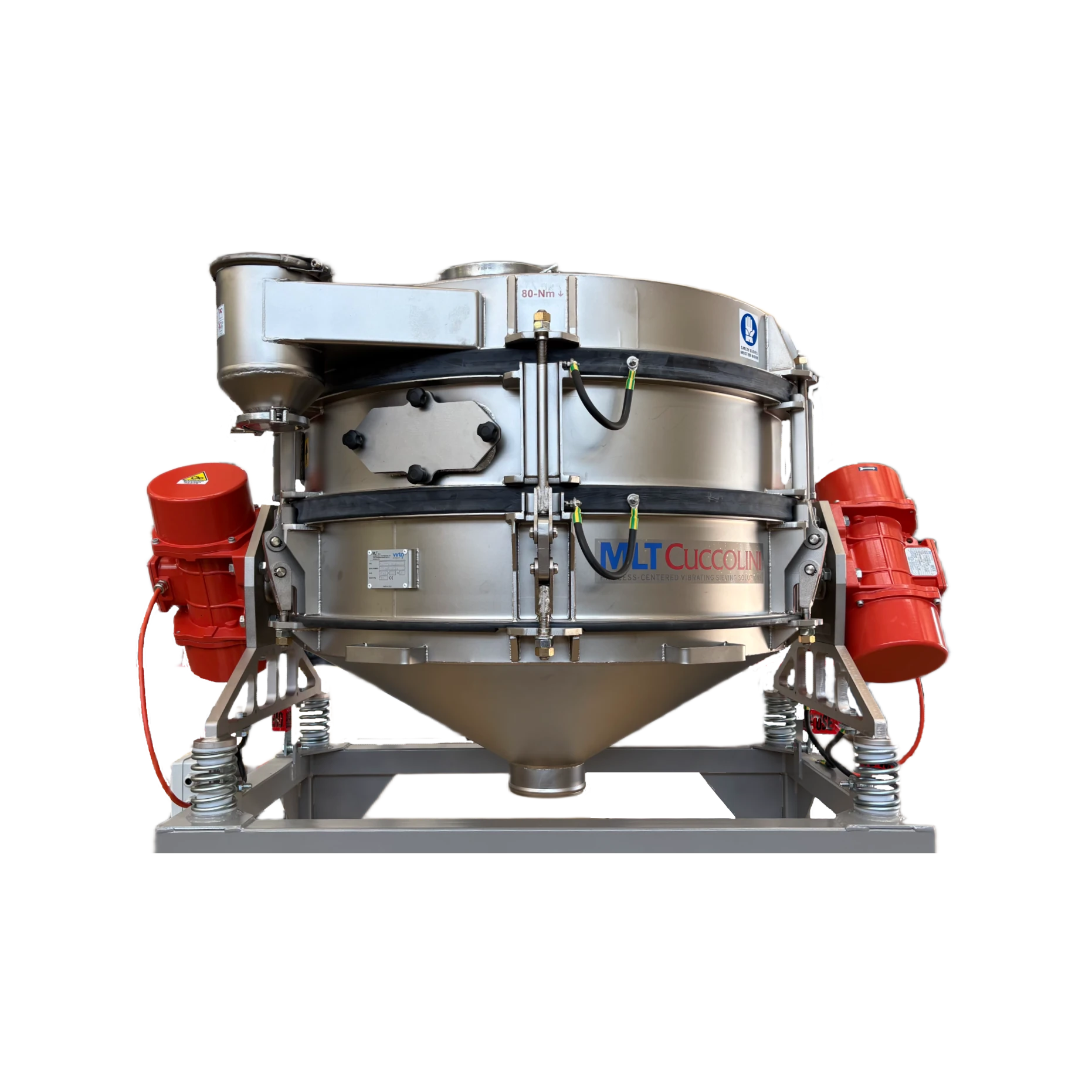
For higher capacities or more demanding industrial environments, MLT Cuccolini VPM vibrating sieves offer enhanced throughput while maintaining the same level of classification accuracy. Installed in continuous lines under silos or in connection with conveying and dosing systems, VPM machines provide reliable control of the oversize fraction and the fine tail, contributing to consistent product characteristics across large production campaigns.
Both VPB and VPM executions are designed to withstand the abrasive nature of the product, with appropriate material choices and wear-resistant options where required. Ease of cleaning, modular construction, and adaptable mesh configurations support frequent grade changes and flexible production schedules, which are common in the abrasive industry.
Using MLT Cuccolini VPB and VPM vibrating sieves for abrasive powders classification ensures a narrow and controlled particle size distribution, improving tool performance, surface finish quality, and process repeatability at the end user. The removal of both oversize grains and excessive fines also helps protect downstream equipment and stabilise mixing and forming processes.
For superior quality abrasive powders, our X-Line circular sieve for classification is also available. The specific multifrequency sieving mechanism enables particles to find their most suitable vibration frequency, achieving the highest possible separation precision.
The combination of precise separation, robust construction, and flexible configuration makes these solutions a reliable choice for manufacturers of mechanical finishing tools working with diamond and other high-performance abrasive powders.
Contact MLT Cuccolini to discuss your abrasive powders classification process and identify the most suitable vibrating sieving solution for your specific tool manufacturing application.