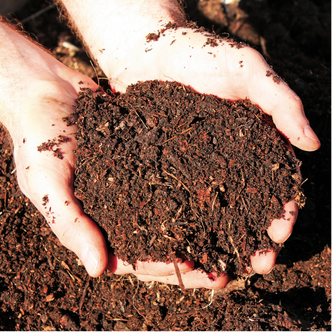
Biodigestate is typically a heterogeneous slurry containing residual fibres, fine organic particles, sand, and other suspended solids originating from the feedstock and the digestion process. If these particles are not controlled, they can cause sedimentation in tanks, clogging in pipes and separators, and premature wear in pumps and spreading equipment. At the same time, a more uniform biodigestate supports better dosing and distribution when used as a natural fertiliser.
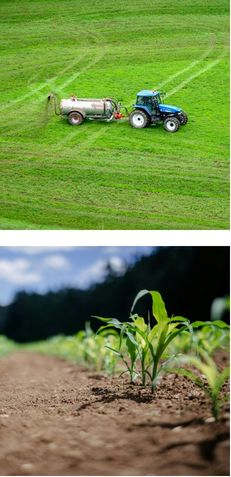
The filtration process focuses on reducing the content of suspended solids down to a target particle size, often in the fine range, in order to produce a more homogeneous and pumpable liquid fraction. Achieving cut points down to about 30 µm allows a significant improvement in clarity and stability of the biodigestate, helping to protect downstream installations and to adapt the product to specific application technologies, such as injection or strip spreading systems.
Vibrating sieving is particularly suitable for biodigestate filtration when the system is designed to handle high moisture content and variable feed characteristics. Key parameters such as mesh size, throughput, and installation point must be carefully defined to balance separation efficiency against energy consumption and footprint. The equipment must also cope with fluctuating flow rates and occasional load peaks without losing performance.
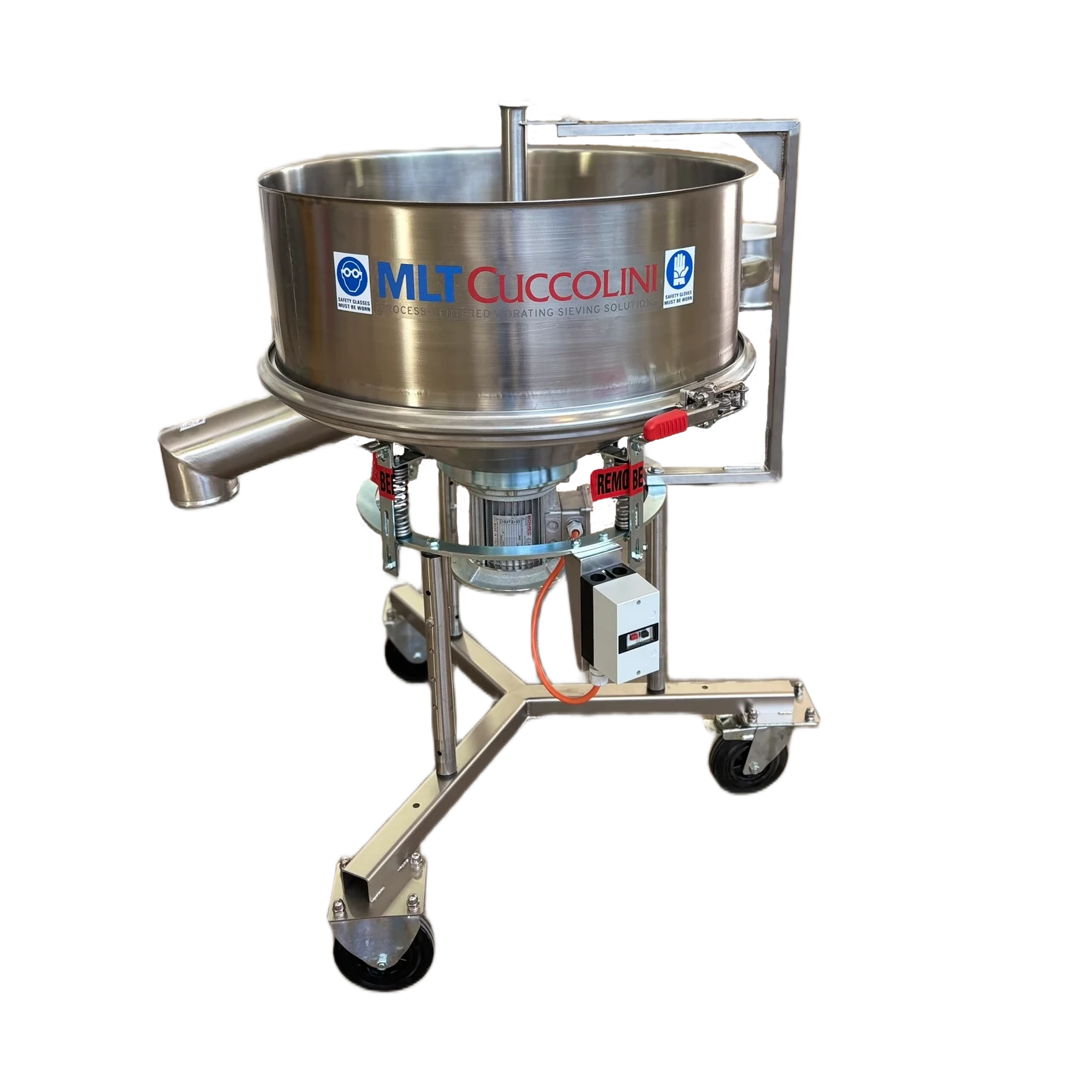
MLT Cuccolini VLB vibrating sieves provide a precise and reliable solution for fine biodigestate filtration. Designed for liquid and semi-liquid applications, VLB units can achieve separation down to approximately 30 µm, removing fine solids from the slurry and producing a clarified fraction suitable for further treatment or direct use. Their controlled vibration ensures efficient screening while limiting turbulence, which is important to maintain stable hydraulic conditions.
Typically installed on the outlet of digesters, after primary separation steps, or on recirculation lines, VLB sieves act as an additional polishing stage that enhances the overall quality of the biodigestate. Stainless steel construction and hygienic design support long-term operation in aggressive environments, while accessible layouts facilitate inspection, cleaning, and routine maintenance.
Using MLT Cuccolini VLB vibrating sieves for biodigestate filtration helps improve process stability and equipment protection by removing fine suspended solids from the slurry. The resulting clarified biodigestate is easier to store, pump, and apply in the field, supporting more efficient use of natural fertilisers and better alignment with environmental and operational requirements.
The ability to reach fine cut points, combined with robust construction and flexible installation options, makes VLB solutions a valuable tool for biogas plants and agricultural operators looking to optimise biodigestate management and enhance the value of their by-products.
Contact MLT Cuccolini to discuss your biodigestate filtration needs and define the most suitable VLB vibrating sieving configuration for your specific biogas or agricultural installation.
See it in action
Discover how MLT technology helps companies
improve product quality, increase efficiency
and simplify their production processes.