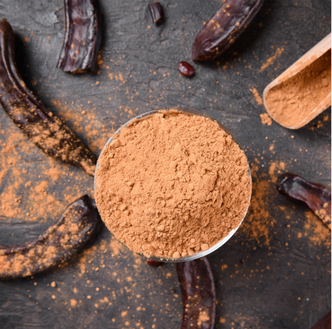
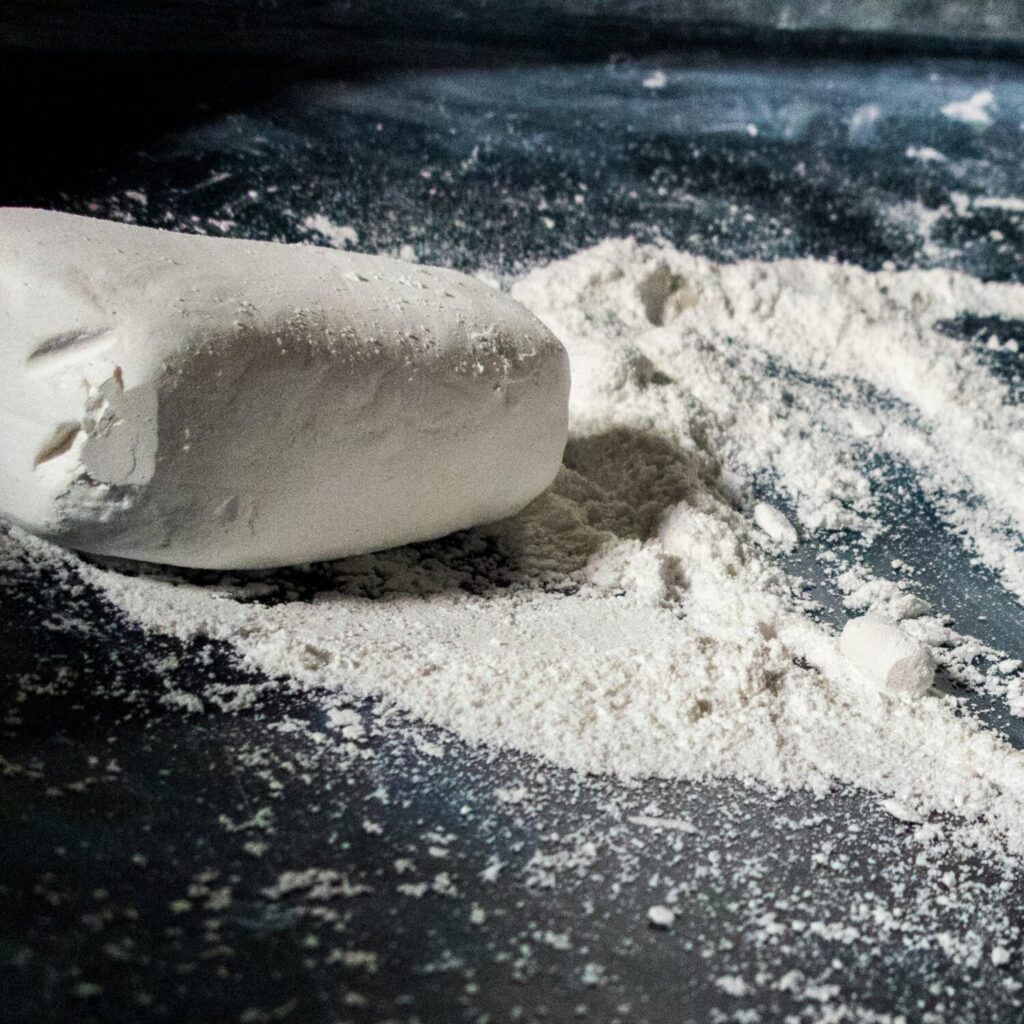
Carob flour is typically obtained through milling processes that generate fine powders with variable particle size distribution. During production and handling, agglomerates, foreign bodies, and oversize particles may be present, requiring effective classification to meet product specifications and ensure consistent quality.
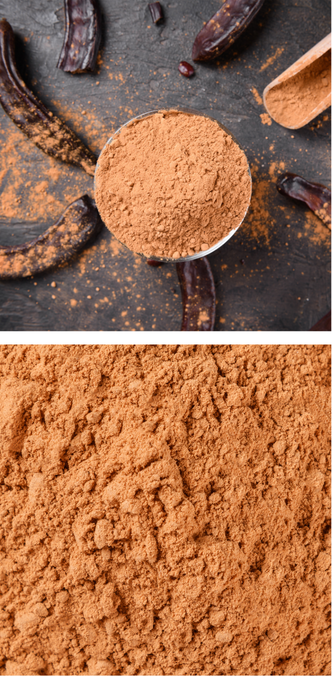
The classification process is particularly critical when fine cuts are required, such as around 100 µm, to eliminate ultrafines which are not suitable for the creation of petfood dough. At this level, achieving accurate separation can be challenging due to the cohesive nature of the powder and the tendency of fine particles to reduce sieving efficiency or cause mesh blinding.
Vibrating sieving provides an effective solution when properly configured for fine classification. Key parameters such as mesh size, throughput, and installation point must be carefully optimized to ensure efficient separation while maintaining stable operation. The ability to operate without auxiliary systems such as ultrasonics represents an additional advantage in terms of simplicity, maintenance and Capex/Opex financial efforts.
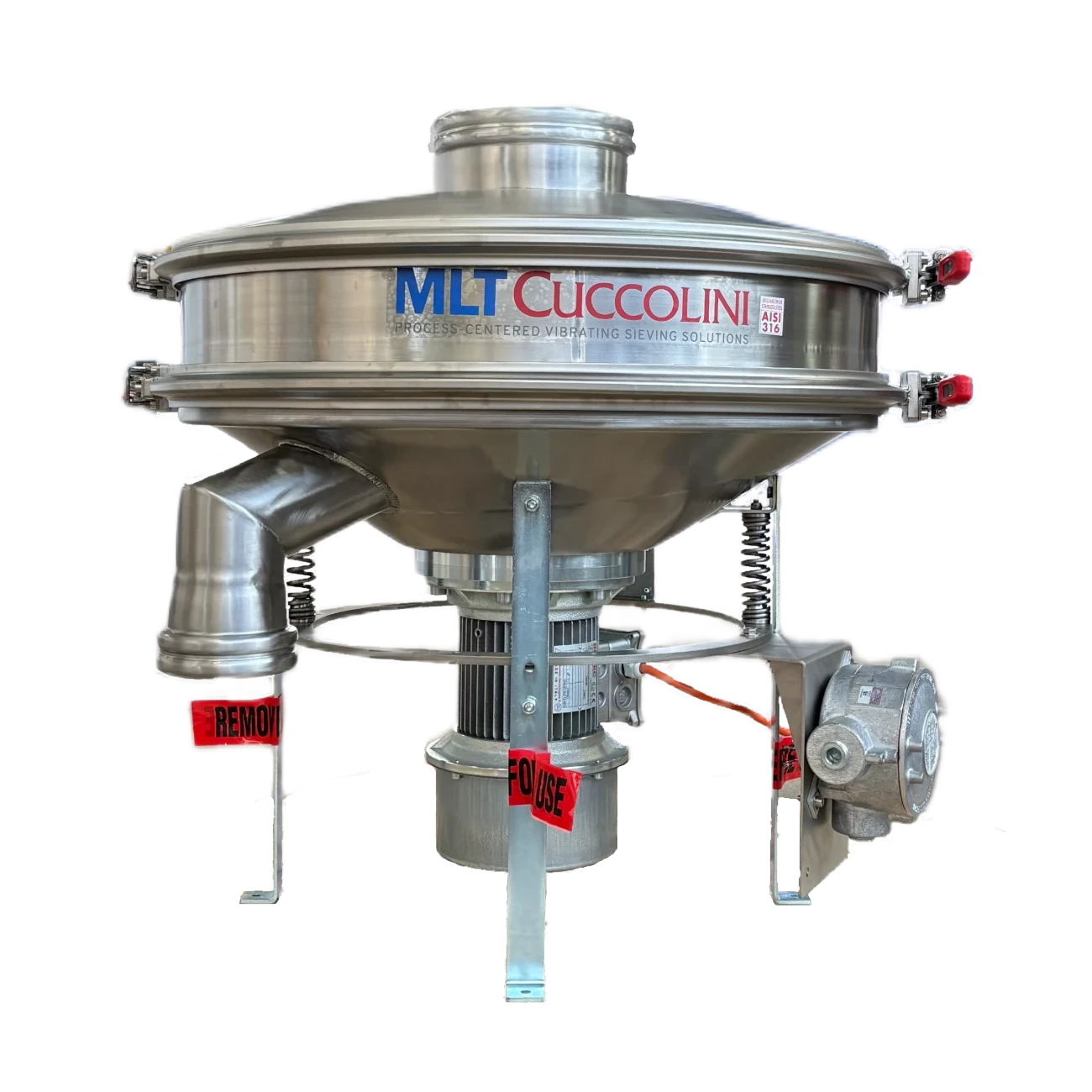
MLT Cuccolini C-Line sieves are specifically suited for this application. Typically installed after milling or before storage and mixing stages, these machines are capable of achieving precise classification at fine mesh sizes, including around 100 µm, while maintaining consistent throughput.
The C-Line system uses a controlled vibration that enhances particle stratification and improves screening efficiency, even with fine and cohesive powders. This allows accurate separation without the need for ultrasonic devices, reducing system complexity and operational costs.
In addition, the robust design and stainless-steel execution support hygienic operation and ease of cleaning, which are essential in feed and petfood production environments. The flexibility of configuration allows adaptation to different plant layouts and production requirements.
Using MLT Cuccolini C-Line sieves for carob flour classification ensures precise control of particle size distribution, improving product quality and consistency in animal feed and petfood applications. Effective removal of contaminants and oversize fractions also protects downstream equipment and enhances process reliability.
The ability to achieve fine separations without ultrasonics simplifies operation while maintaining high performance, supporting efficient and cost-effective production.
Contact MLT Cuccolini to discuss your carob flour classification process and identify the most suitable vibrating sieving solution for your specific application.