During peeling, coring, and cutting operations, apples are typically conveyed and handled using water channels that carry both product and processing residues. As the fruit is processed, peels, cores, seeds, and pulp fragments accumulate in the water, increasing the solid load and affecting both hygiene and hydraulic performance. Without adequate primary separation, these residues can clog channels, burden downstream filtration systems, and complicate water treatment.
Primary separation between water and fruit residues focuses on removing coarse solids at an early stage, before the water is directed to more refined treatment or disinfection steps. By intercepting peels, cores, and larger pulp pieces, this operation stabilises the characteristics of the water stream and reduces the workload on subsequent equipment such as filters, flocculation units, or disinfection systems. It also helps limit the formation of deposits and biofilm in pipelines and tanks.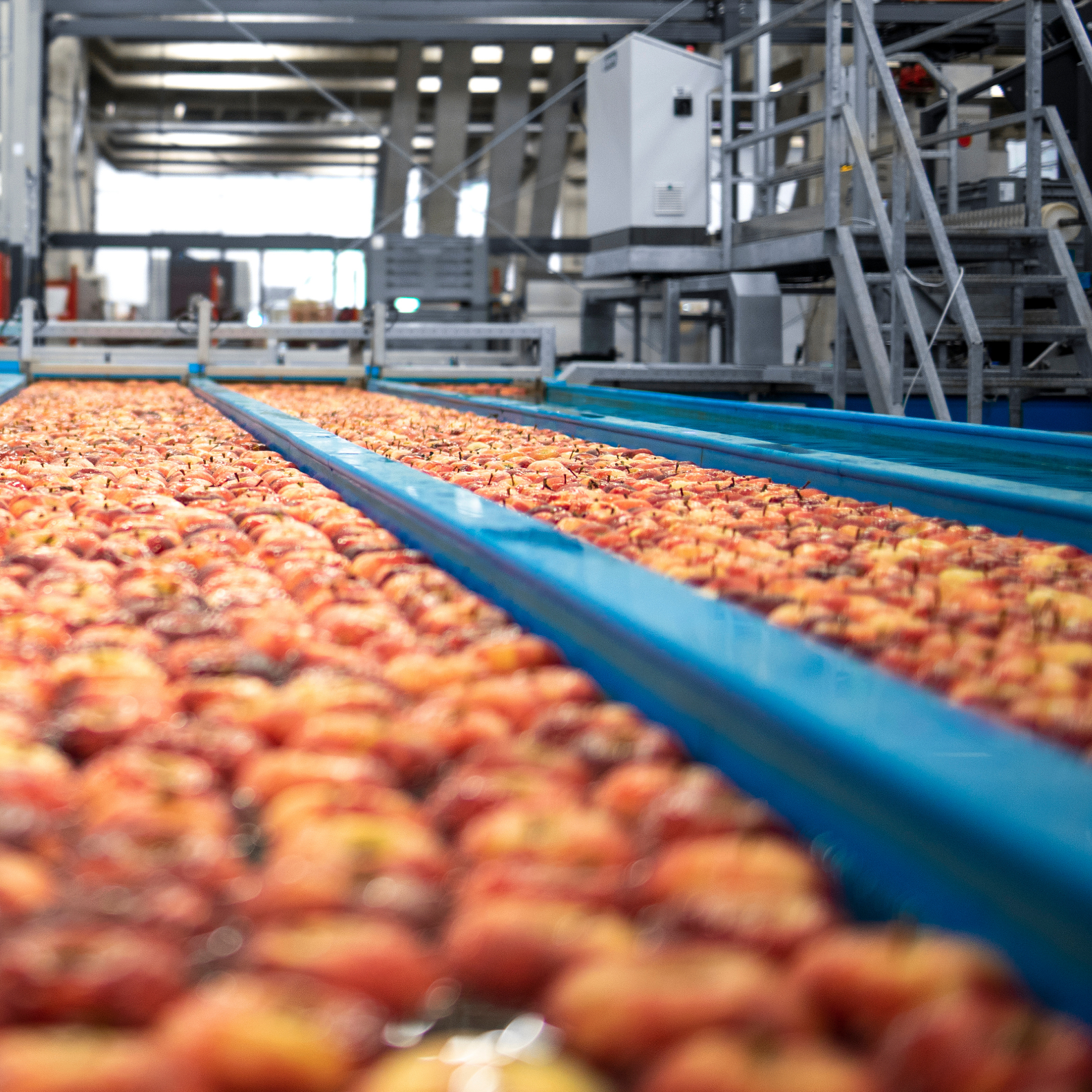
Vibrating sieving is well suited for fruit processing water recovery, as it allows continuous removal of solid residues from high-flow water streams while maintaining a compact footprint. Key parameters such as mesh size, throughput, and installation point must be defined according to the configuration of the processing line, the expected solid load, and the desired balance between separation efficiency and pressure loss.
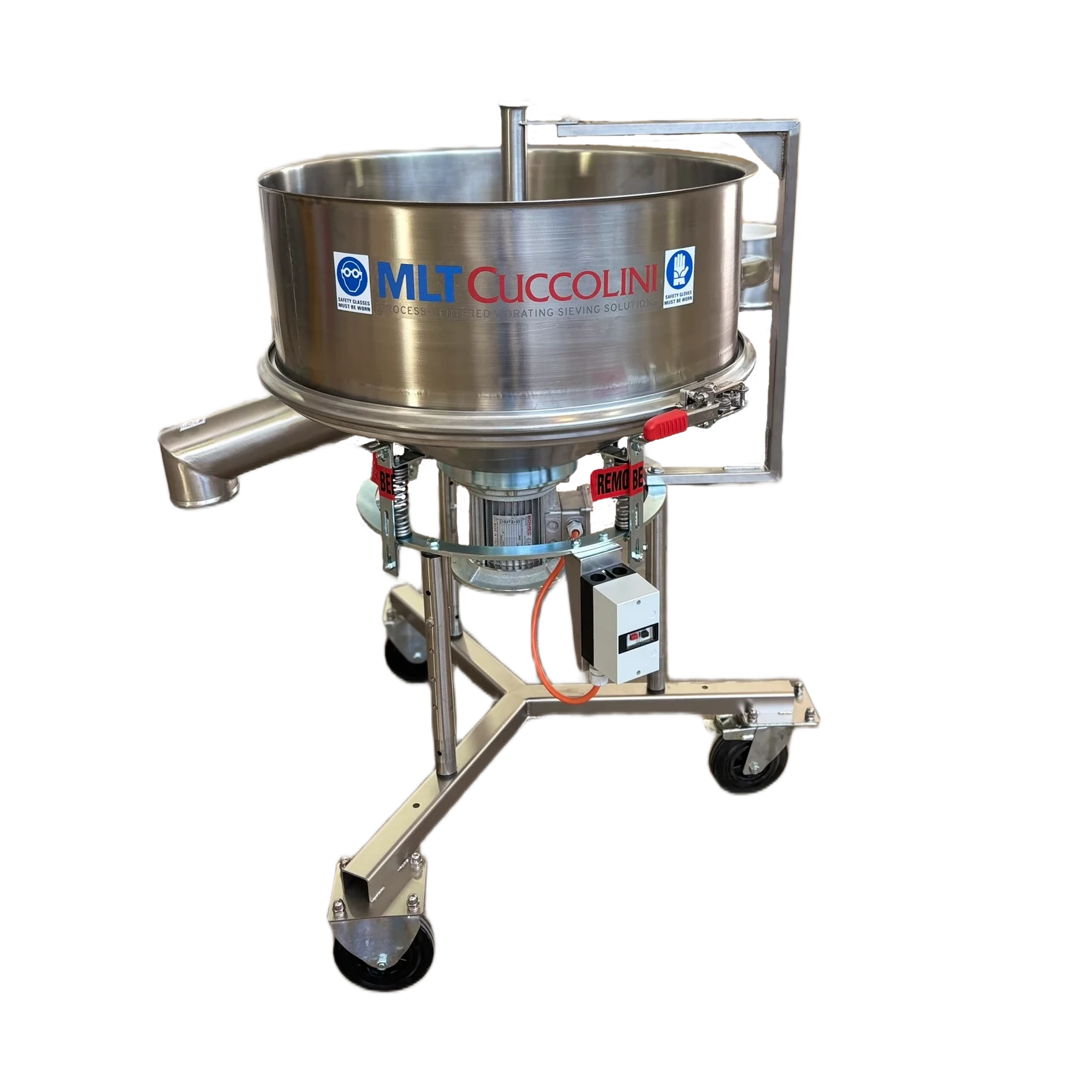
MLT Cuccolini VLM_S vibrating sieves have been successfully used for this application. This special version, equipped with increased vibration power, is designed to maximise overall throughput without increasing the machine size, making it ideal for primary separation stages on apple processing lines. Installed on recirculation or discharge lines, VLM_S units screen out peels, cores, and pulp fragments, producing a clarified water stream that is easier to sanitise and reuse within the same process.
The robust construction and stainless-steel execution of VLM_S machines support reliable operation in wet, food-processing environments. Their design facilitates inspection and cleaning, which is essential to maintain high hygiene standards and prevent build-up of organic residues on the screening surface. By stabilising water quality and hydraulic conditions, they contribute to more efficient operation of both the processing line and the associated water treatment systems.
Using MLT Cuccolini VLM_S vibrating sieves for fruit processing water recovery helps improve process hygiene, water management, and overall plant efficiency. Effective removal of apple peels, cores, and pulp fragments in a primary separation step reduces load on downstream treatment, supports more consistent water quality, and facilitates water reuse strategies.
The combination of increased vibration power, compact design, and hygienic construction makes VLM_S an attractive solution for fresh produce processors looking to enhance sustainability and operational reliability in their water circuits.
Contact MLT Cuccolini to discuss your fruit processing water recovery needs and define the most suitable VLM_S vibrating sieving configuration for your specific fresh produce installation.