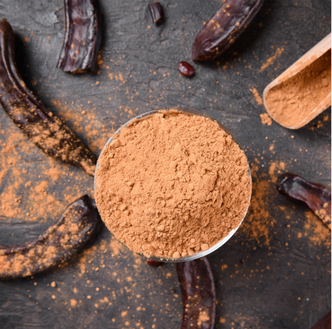
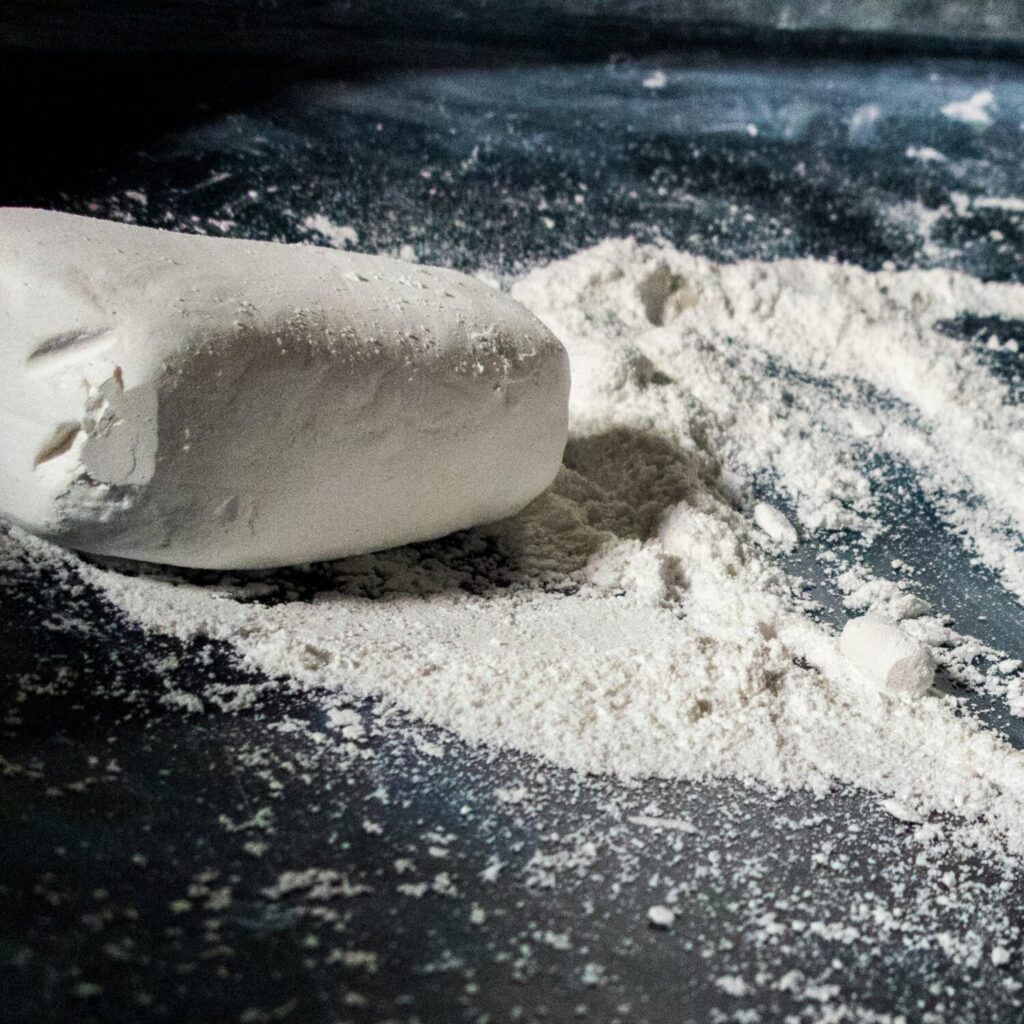
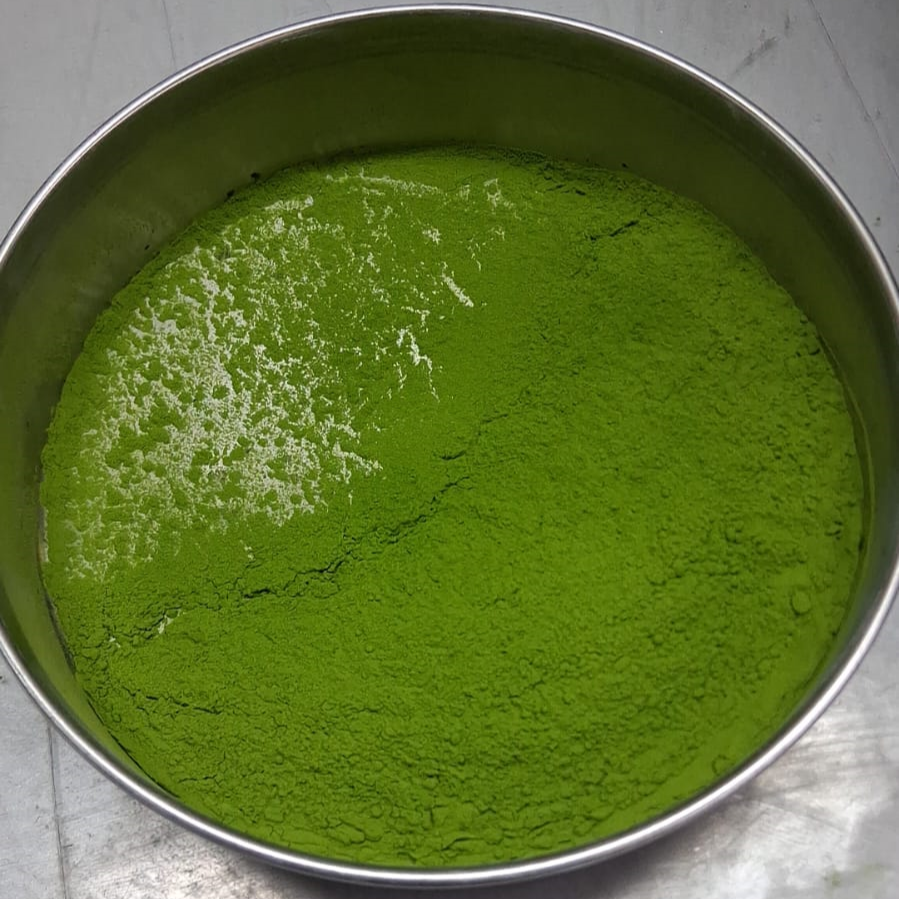
Spirulina powder is typically obtained through drying and milling of algae biomass, resulting in a fine, nutritionally rich powder. During production, handling, and packaging, agglomerates and foreign bodies may be introduced, while variations in granulometry can impact flowability, capsule filling performance, tablet compression, or dispersion in liquid and semi-liquid formulations. Safety sieving and classification are key steps to stabilise these properties.
Safety sieving focuses on removing foreign bodies, oversize particles, and unexpected agglomerates from the powder stream, ensuring that only on-spec material proceeds to critical stages such as blending, dosing, encapsulation, or packaging. This operation helps protect downstream equipment, reduce the risk of line stoppages, and support compliance with quality and hygiene requirements typical of nutraceutical and food applications.
When a more precise control of particle size distribution is required — for example to obtain specific grades of spirulina powder for different products — classification becomes necessary. By separating oversize fractions and, where needed, excessive fines, the process narrows the particle size range, improving dosing accuracy, bulk density stability, and sensory properties such as mouthfeel or dispersibility.
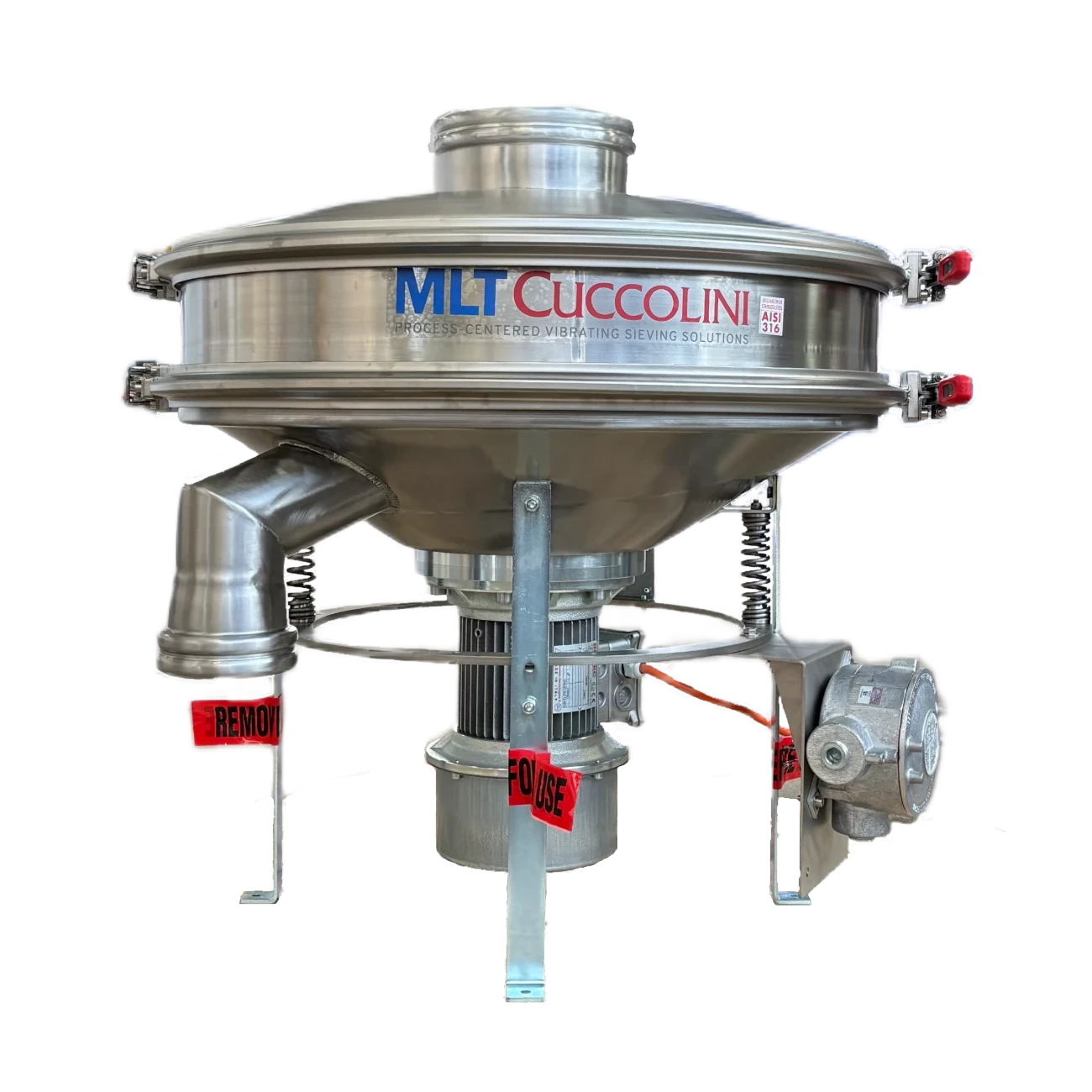
MLT Cuccolini C-Line vibrating sieves for powders, including circular models such as VPB and higher-capacity variants like VPM, are well suited for spirulina powder safety sieving below 0.8 mm and classification. Typically installed under silos, at sack tip stations, or along milling and conveying lines, these machines can operate with one or more decks to perform safety sieving or multi-fraction classification, depending on the required cut points and process layout.
The calibrated vibration of C-Line sieves supports efficient separation even at relatively fine mesh sizes, while maintaining gentle handling to avoid excessive degradation of the product. Food-grade and nutraceutical-oriented executions, with stainless steel contact parts and hygienic design features, facilitate cleaning and support high standards of hygiene. Easy access for inspection and quick mesh changes further simplify maintenance and product changeovers.
Using MLT Cuccolini C-Line vibrating sieves for spirulina powder safety sieving and classification helps ensure a clean, consistent, and well-controlled product, improving process reliability and final product quality in nutraceutical, food, and cosmetic applications. Effective removal of foreign bodies, oversize particles, and unwanted fines also protects downstream equipment and reduces waste and rework.
The flexibility to adapt machine configurations, mesh sizes, and installation points allows these solutions to fit a wide range of plant layouts and capacity requirements, supported by long-term experience in powder handling for sensitive industries.
Contact MLT Cuccolini to discuss your spirulina powder process and identify the most suitable C-Line vibrating sieving solution for your specific safety sieving or classification needs.