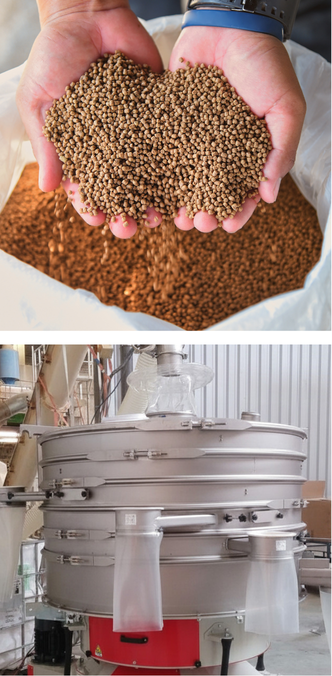
After shredding, WEEE materials form a heterogeneous mix of metals, plastics, glass, and other components, all present as irregular particles across a wide size range. Without effective classification, this mixed stream challenges downstream sorting technologies such as density separation, magnetic separation, or optical sorting, leading to lower recovery yields and higher reprocessing costs.
The classification step focuses on separating the bulk product into controlled granulometric ranges, each aligned with the requirements of subsequent separation stages. By identifying suitable mesh openings for the bulk of the ground material and accepting a reasonable tolerance around the target ranges, it is possible to create fractions that behave more predictably in downstream equipment, improving both recovery and purity.
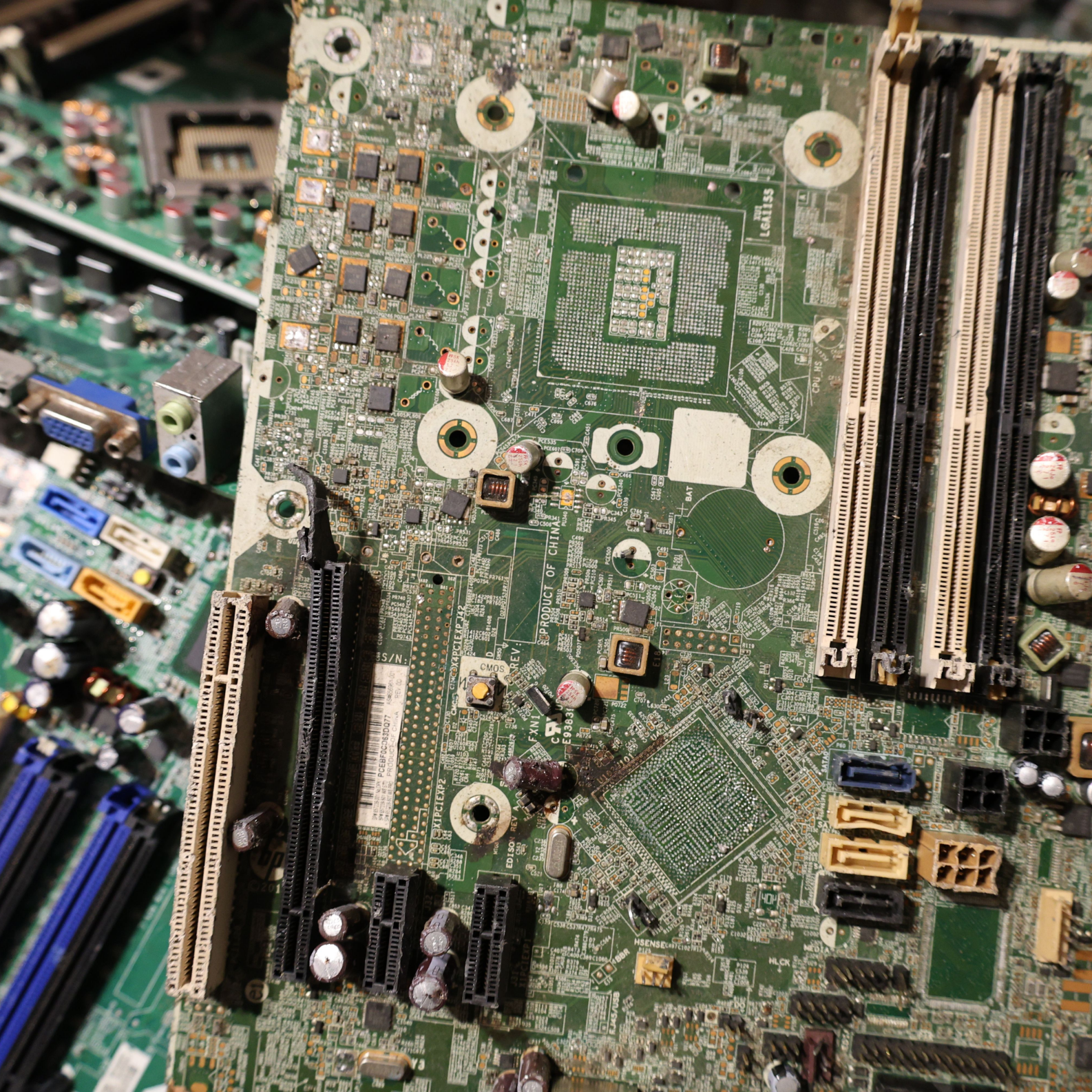
Vibrating sieving is particularly suitable for ground WEEE because it combines robust handling of abrasive, dense particles with the ability to deliver defined cut points. Key parameters such as mesh size, throughput, and installation point must be tailored to the grinding line, the desired number of fractions, and the specific mix of materials. Proper configuration ensures that oversize fractions, on-spec fractions, and fines can be managed separately according to the overall process design.
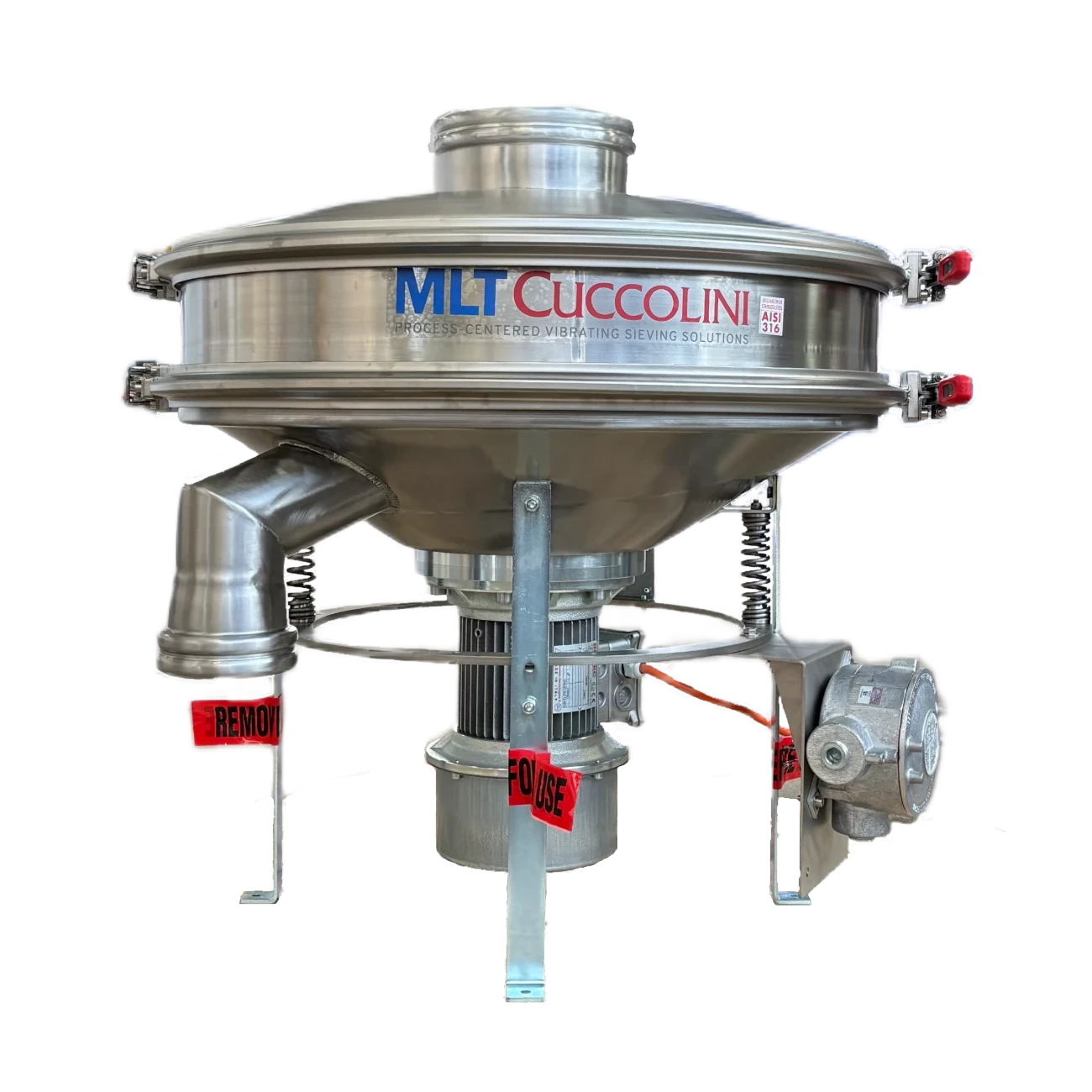
MLT Cuccolini VPM vibrating sieves form the core of this classification solution. Typically installed downstream of grinders or granulators, VPM units handle continuous flows of ground WEEE and separate them into multiple size fractions based on the selected mesh openings. Their calibrated vibration and robust construction support stable performance even with fluctuating feed conditions and high mechanical loads.
The ability to configure VPM machines with different decks and mesh combinations allows recyclers to adapt the classification layout to evolving product mixes or changing regulatory and market requirements. Easy access for maintenance and mesh replacement helps minimise downtime and supports regular adjustments as operators refine their process windows.
Using MLT Cuccolini VPM vibrating sieves for ground WEEE materials classification enables more consistent feed conditions for downstream separation technologies, improving recovery rates and product purity. Controlled granulometric fractions support better utilisation of existing equipment, reduced reprocessing, and more predictable operation of the entire recycling line.
The combination of robust design, flexible configuration, and reliable performance makes VPM sieves a strong choice for recycling plants aiming to optimise their WEEE processing strategy.
Contact MLT Cuccolini to discuss your ground WEEE classification process and identify the most suitable VPM vibrating sieving configuration for your specific recycling installation.