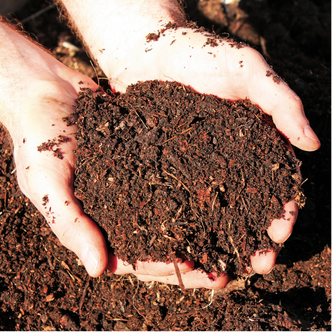
During recycling, plastic products are first ground and then washed to remove labels, product residues, soil, and other contaminants. In PET applications, typical contaminants include paper and plastic label fragments, adhesive residues, and remnants of the original contents. In EPS recycling, water often carries pieces of soil or other particles associated with horticultural and packaging uses. These solids accumulate in the washing circuit and must be removed to keep both water and flakes at the desired quality level.
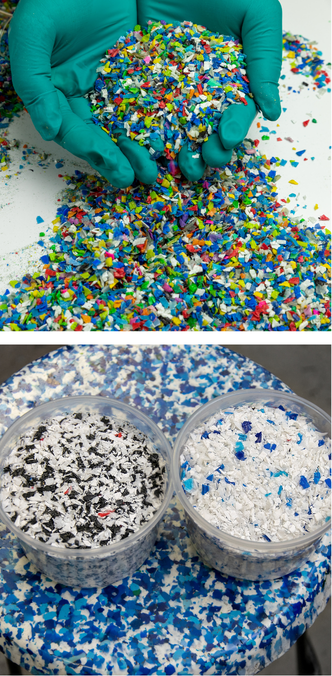
Primary separation between water and solid residues focuses on extracting the bulk of these contaminants from the high-flow washing streams. By intercepting label fragments, soil particles, and other solids, this operation stabilises the water characteristics and reduces the load on downstream treatment equipment such as filters, clarifiers, or flotation units. It also helps maintain efficient transport of plastic flakes in channels and pipelines, avoiding blockages and sediment build-up.
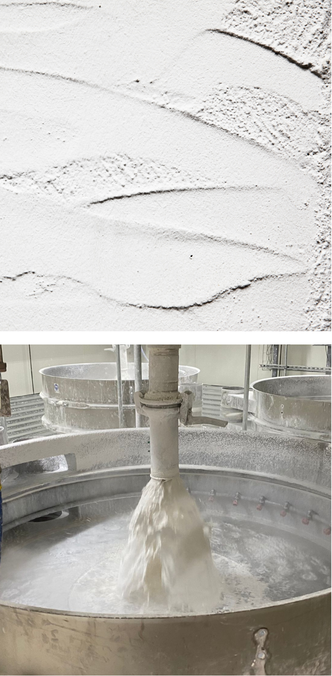
Vibrating sieving is well suited for plastic recycling solids and water recovery, as it allows continuous removal of solids from large water volumes while maintaining a compact footprint. Key parameters such as mesh size, throughput, and installation point must be selected according to the type of plastic processed, the expected contamination profile, and the layout of the washing line. Correct configuration ensures that plastic flakes are retained or passed as required, while unwanted residues are efficiently separated.
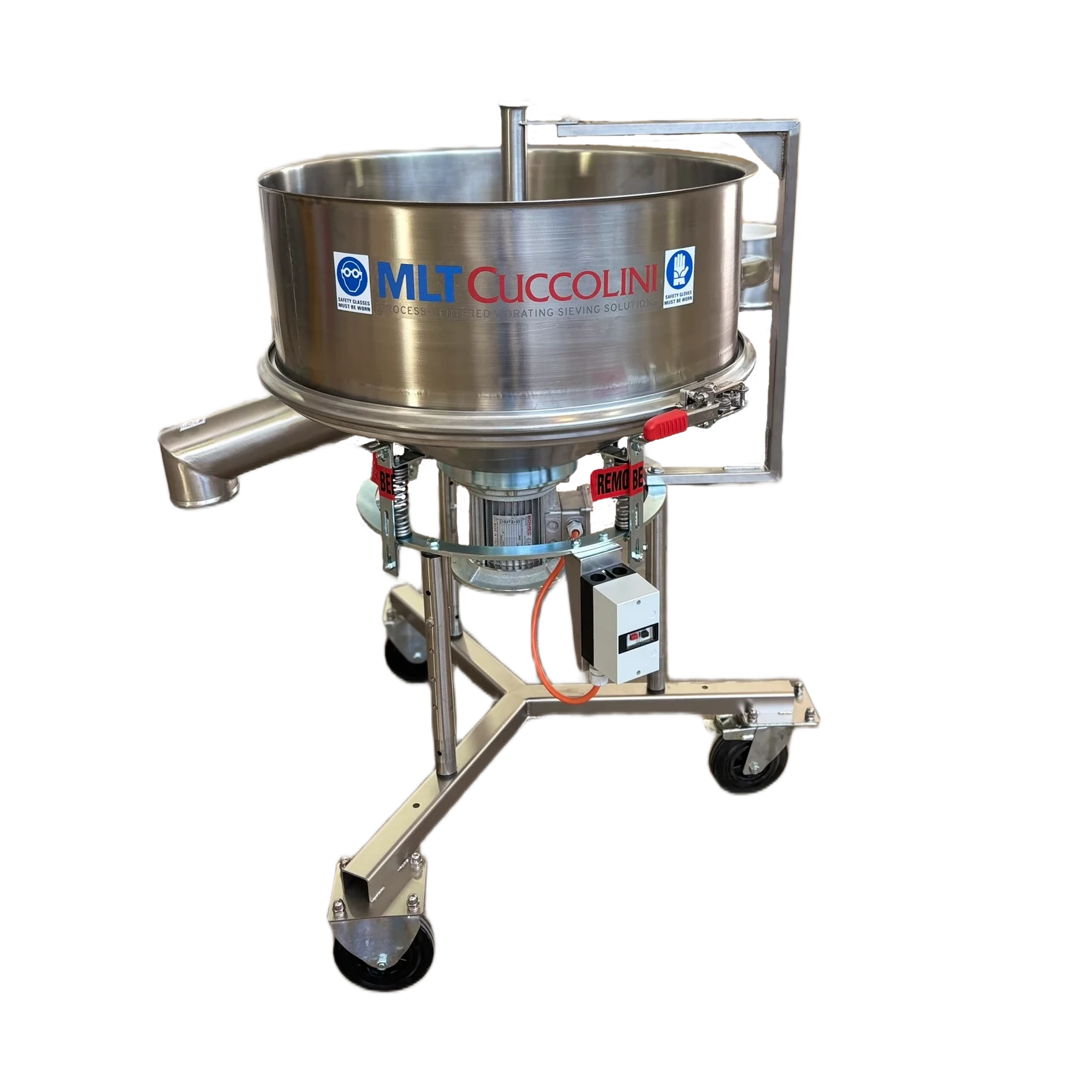
MLT Cuccolini VLB vibrating sieves are particularly suitable for this segment. Designed for liquid and semi-liquid products, they can be configured to handle the high flow rates typically found in plastic washing circuits, while maintaining effective separation of solid contaminants. Installed on recirculation loops or discharge lines, VLB units remove label fragments, soil, and other residues from the water stream, producing a cleaner flow that can be more easily treated and reused.
The specific configuration adopted for plastic recycling applications focuses on maximising throughput and separation efficiency without excessive turbulence, to avoid damaging flakes or causing excessive foaming. Stainless steel construction and hygienic design features facilitate cleaning and maintenance, while robust mechanical components ensure long-term reliability in continuous operation environments.
Using MLT Cuccolini VLB vibrating sieves for plastic recycling water recovery supports more stable and efficient washing processes, with cleaner water circuits and reduced contamination of the recycled flakes. Effective removal of solid residues reduces the load on downstream treatment systems, supports water reuse strategies, and contributes to better housekeeping around the washing line.
The combination of high-capacity handling, flexible configuration, and robust design makes VLB solutions a valuable choice for recycling plants processing PET, EPS, and other plastics where efficient process water management is key to overall performance.
Contact MLT Cuccolini to discuss your plastic recycling water recovery needs and define the most suitable VLB vibrating sieving configuration for your specific washing and process water circuit.
See it in action
Discover how MLT technology helps companies
improve product quality, increase efficiency
and simplify their production processes.