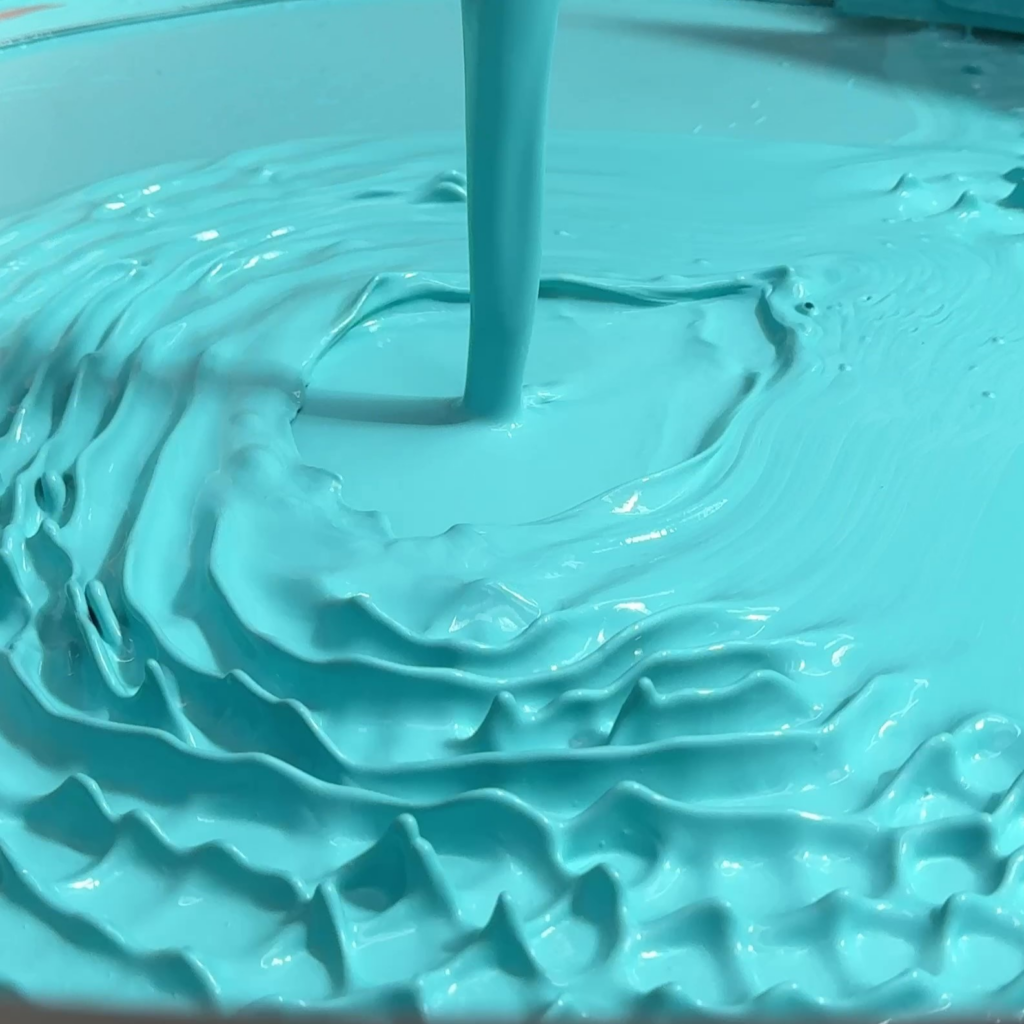
Spirulina biomass for non-food applications is increasingly used in renewable energy production, aquaculture feed, and industrial biotechnology. These applications do not require the same level of cellular integrity, fine particle retention, or hygiene standards as food or pharmaceutical products, allowing for faster, coarser separation processes that prioritize throughput and cost efficiency.
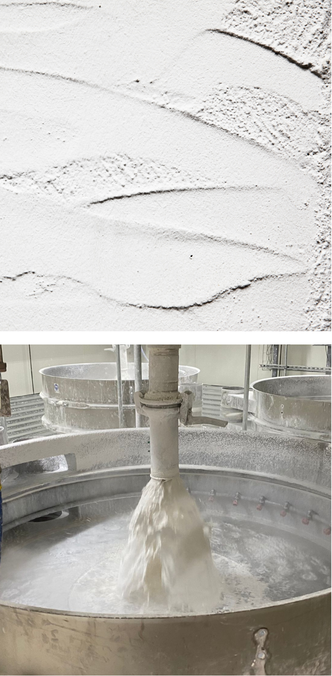
Vibrating sieving using 50–80 µm mesh sizes enables rapid solid-liquid separation, capturing the bulk of spirulina biomass while allowing finer particles and culture medium to pass through. This approach reduces screen blinding, increases processing speed, and lowers energy consumption compared to finer mesh harvesting systems. At this stage, contaminants such as large debris, aggregates, and excess water are removed, preparing the biomass for drying, pelletizing, or direct use as feedstock.
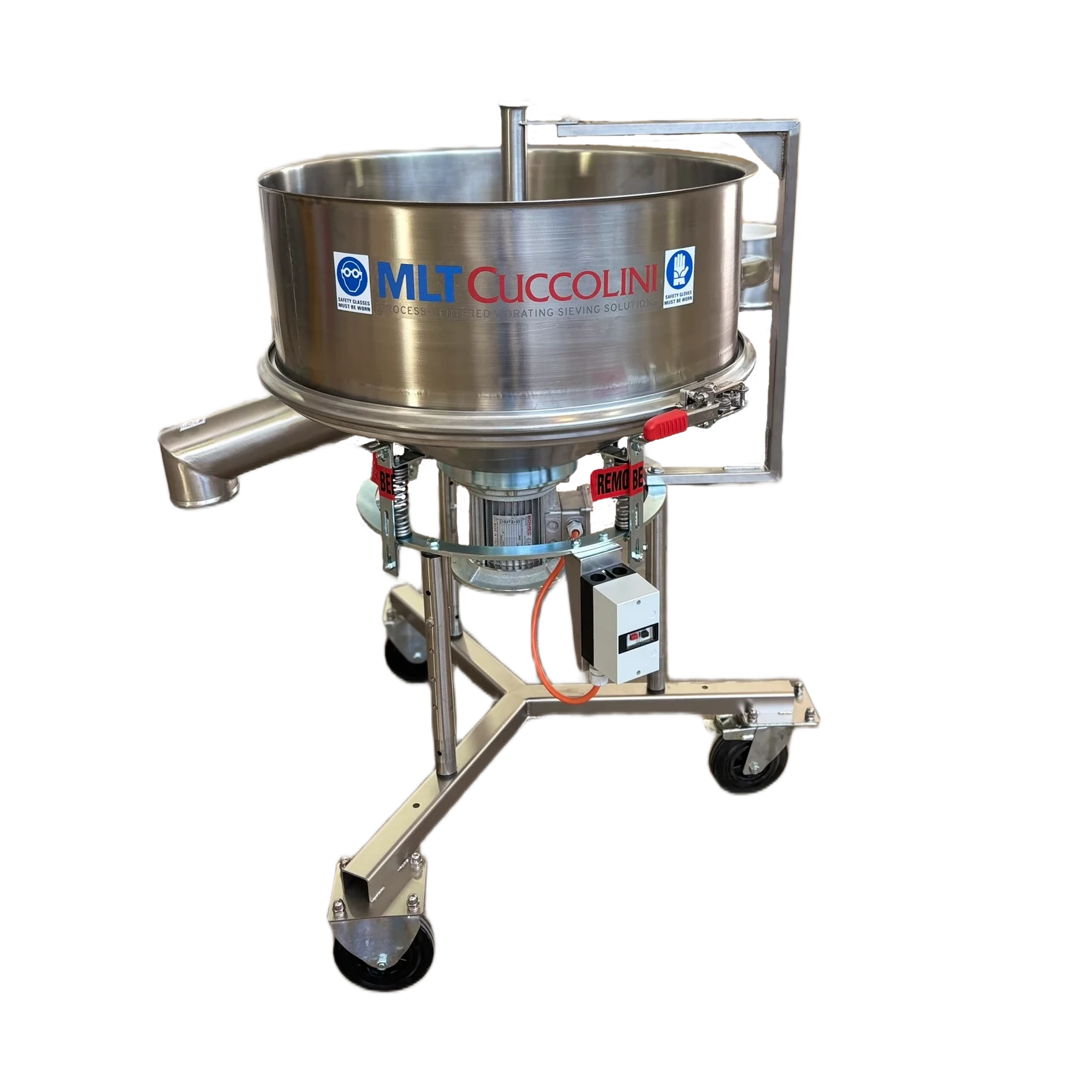
The VLM_S series (Vibrating Liquid-Matter Separator) is specifically designed for high-throughput biomass separation in non-food spirulina applications. Despite its compact diameters of 900, 1200, and 1500 mm, the VLM_S achieves significantly higher flow rates than standard SHT models thanks to higher-power vibrating motors and optimized screen geometry. This configuration is ideal for large-scale spirulina cultivation facilities, where production volume is the primary operational requirement.
Typical installation points include raceway pond outlets, photobioreactor discharge lines, and bulk harvesting stations in industrial spirulina farms. The VLM_S processes continuous flow from large culture volumes without intermediate buffering, reducing infrastructure complexity and capital costs. 50–80 µm mesh sizes ensure high throughput while retaining sufficient biomass density for efficient downstream drying or pelletizing.
The machine is manufactured in AISI 304 stainless steel as standard, with AISI 316 stainless steel available for corrosive or high-salinity environments. Its robust construction supports extended operating cycles with minimal maintenance, while modular screen frames enable rapid mesh replacement to accommodate seasonal variations in spirulina filament size or culture density.
The VLM_S is not intended for food-grade or pharmaceutical applications because its coarser separation process applies greater mechanical stress to the product. However, for biofuel production, aquaculture feed, and industrial biomass processing, it delivers excellent cost-effectiveness together with simple, reliable operation.
Choosing MLT Cuccolini VLM_S technology for spirulina biomass separation ensures maximum throughput, low operating costs, and reliable performance in demanding industrial environments. The system is designed for scalability, ease of maintenance, and adaptability to different cultivation systems and biomass applications. MLT Cuccolini's expertise in high-capacity screening and liquid-solid separation, supported by comprehensive technical assistance, ensures reliable operation and long service life.
Contact MLT Cuccolini to discuss your spirulina biomass production volume, end-use requirements, and installation constraints. Our technical team will help you select the most suitable VLM_S model and mesh configuration for your non-food spirulina harvesting process.