Spirulina harvesting is the first critical step in the transformation of live algal culture into a marketable product. The process separates suspended spirulina filaments from culture water, typically in the particle size range of 7–30 µm, while maintaining cellular integrity to preserve the nutritional and commercial value of the biomass. Contaminants to be removed include culture medium, excess water, and occasional debris from the cultivation system.
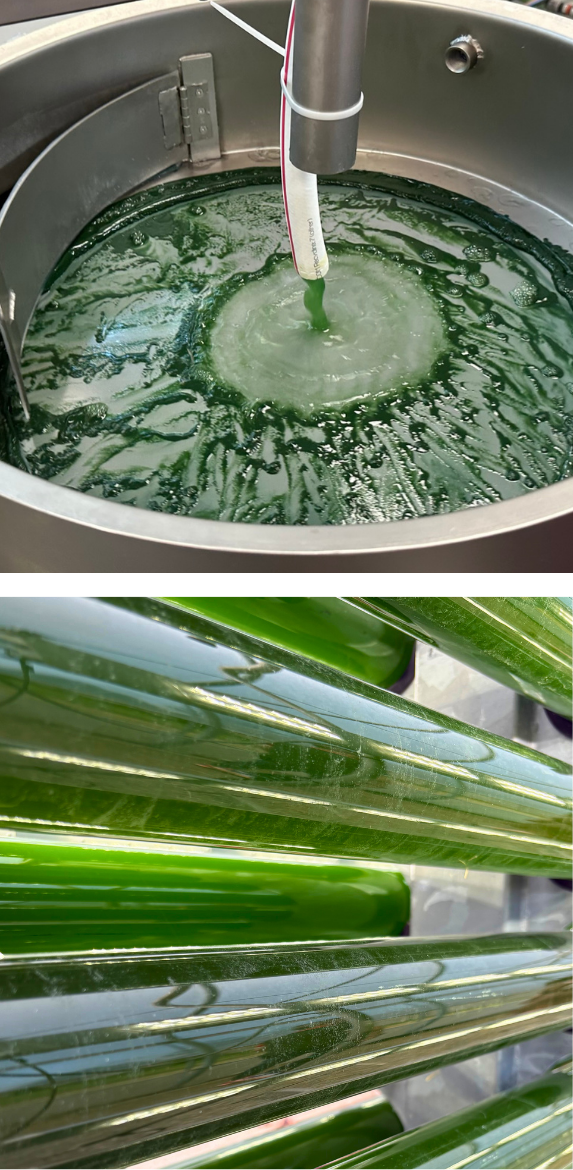
Vibrating sieving is the most cost-effective and reliable method for spirulina extraction compared to centrifuges or membrane filtration. The technology offers significantly lower capital investment, simpler installation, minimal energy consumption, and ease of operation and maintenance. Fine nylon mesh down to 7 µm allows precise separation, while larger mesh sizes can be selected for faster throughput or different spirulina strains.
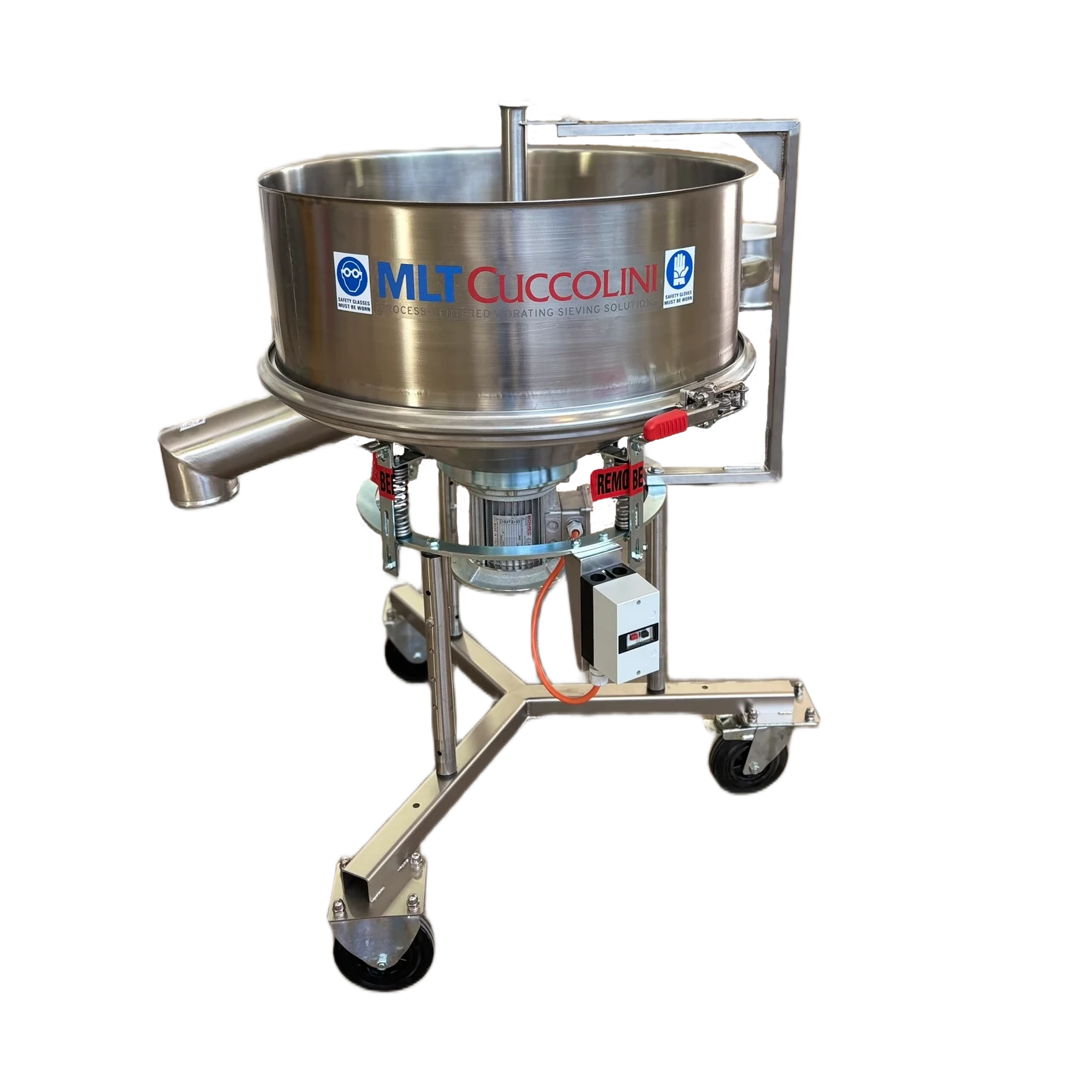
The SHT (Spirulina Harvesting Technology) line is specifically engineered for this application. Available in five sizes from 500 to 1500 mm diameter, the SHT series accommodates both small-scale pilot plants and large commercial installations. Each unit is designed to handle varying feed flow rates and culture densities, delivering a concentrated output with 10–14% dry weight, ready for subsequent spray drying or shelf drying and reducing the power needed for those processes with respect to other vibrating sieves on the market.
The finest mesh option (7–10 µm) is particularly suited for end-of-season or end-of-cycle harvesting, where spirulina filaments may be shorter or less dense, requiring tighter separation to minimize product loss and maintain yield. Mid-range and larger meshes (15–30 µm) are ideal for continuous harvesting during peak production phases, offering higher throughput and reduced screen blinding.
All SHT models feature AISI 304 and AISI 316 stainless steel construction, ensuring compliance with food-grade hygiene standards and IP65 certification for wet environments. The vibrating motion is calibrated to preserve cell structure throughout the extraction process, avoiding the mechanical stress typical of centrifugal systems. Optional mobile skid configurations include integrated water recirculation systems, discharge gates for retention time control, and feeding supports for streamlined operation.
Installation is straightforward, and the compact footprint allows integration into existing cultivation layouts without major modifications. Post-harvest, the same technology platform can be adapted for sieving dried spirulina powder, ensuring product quality control and particle size consistency before packaging. Last, but not least, applied motor power ranges from just 0.3 to 1.5 kW, thus contributing to lower the cost of energy.
Choosing MLT Cuccolini SHT technology for spirulina harvesting ensures high-quality concentrate output, reduced operational costs, and long-term process reliability. The system protects product integrity, minimizes waste, and offers scalability across different production volumes, from artisanal farms to industrial facilities. Our experience in fine powder and liquid screening, combined with dedicated after-sales support and preventive maintenance programs, guarantees optimised performance and extended equipment lifespan.
Contact MLT Cuccolini to discuss your spirulina cultivation setup, production volume, and quality targets. Our technical team will help you select the right SHT model and mesh configuration for your harvesting process.
See it in action
Discover how MLT technology helps companies
improve product quality, increase efficiency
and simplify their production processes.