
FINE CLAY CLASSIFICATION FOR COSMETIC USE
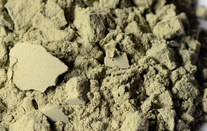
Cosmetic-grade clays are characterized by very fine particle sizes and a natural tendency toward plasticity, which can complicate the classification process. Variations in granulometry, as well as the presence of foreign bodies or agglomerates, can impact the consistency and sensory properties of the final product. The classification process aims to remove both oversize particles and […]
GYPSUM SAFETY SIEVING AND CLASSIFICATION
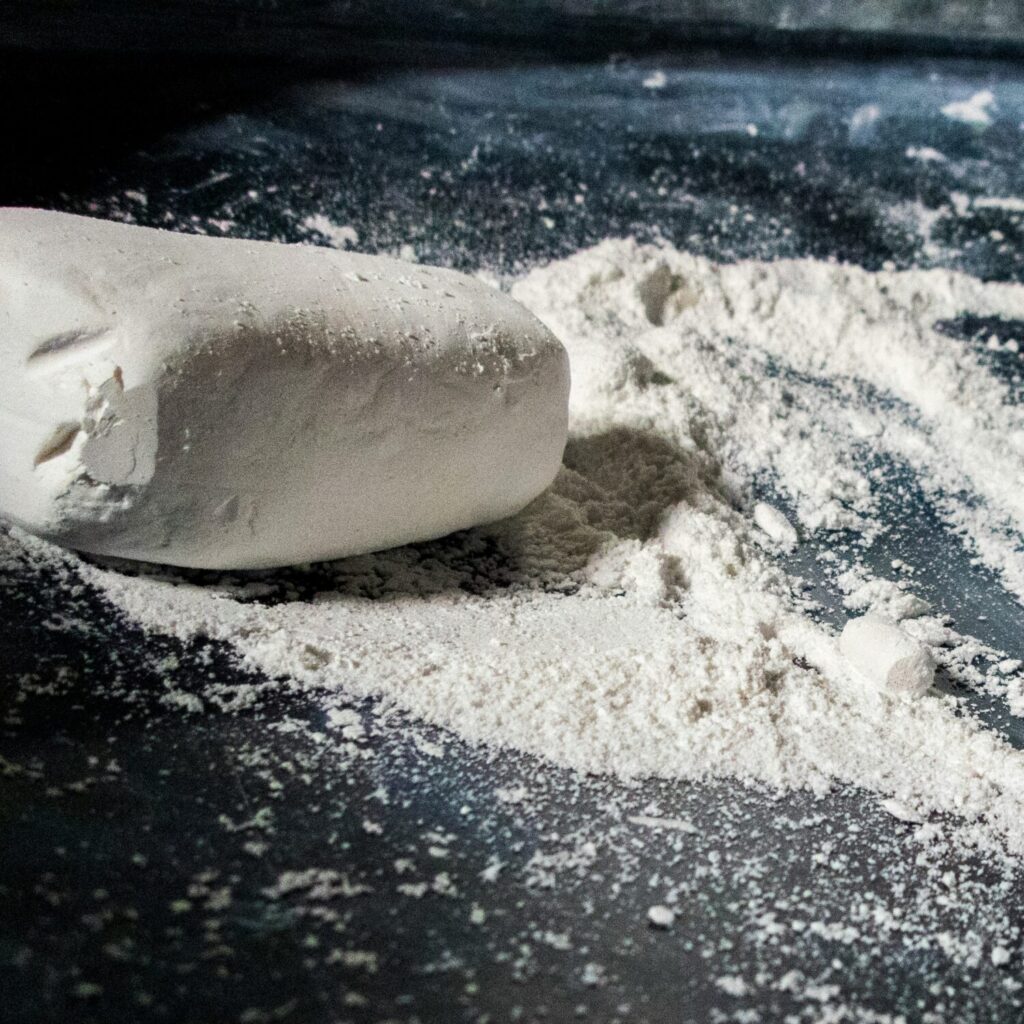
Gypsum powders, whether natural or synthetic, are typically processed through crushing, drying, and milling stages before final use. During these phases, contaminants and oversize fractions may be introduced or generated, making safety sieving a necessary step to protect equipment and ensure compliance with product specifications. Safety sieving focuses on the removal of foreign bodies and […]
PERLITE CLASSIFICATION

Perlite is an expanded mineral characterized by very light, porous particles with a highly flowable behaviour. This property, while beneficial for many applications, can reduce sieving efficiency, as the material tends to move quickly across the mesh surface, limiting the probability of correct particle separation. The classification process is essential to obtain defined particle size […]
POST-PROCESSING GRITS CLASSIFICATION
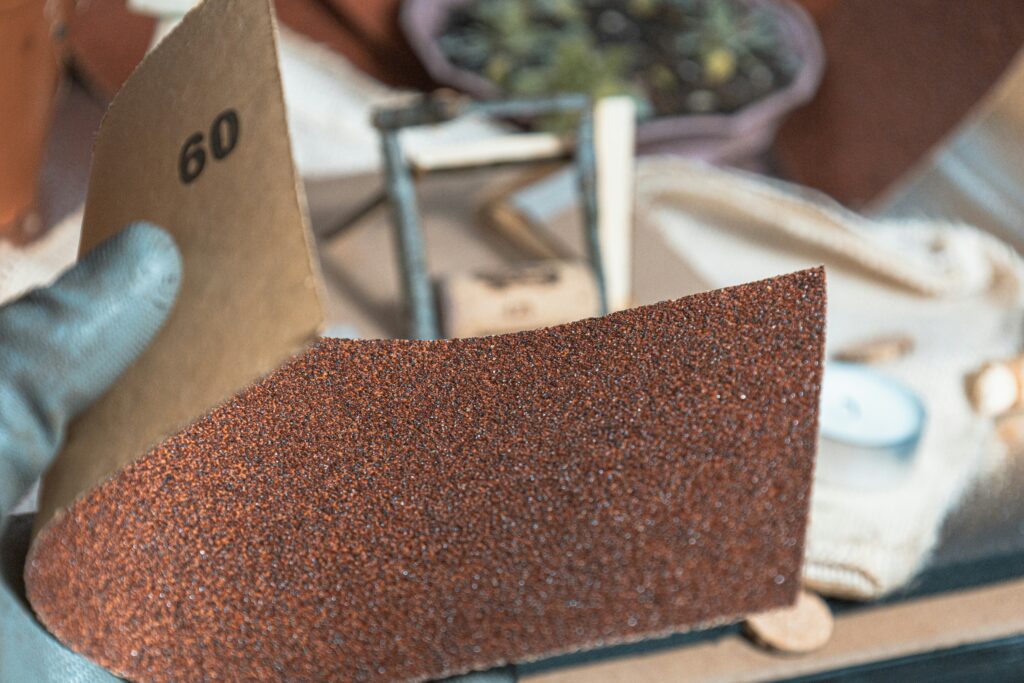
Post-processing grits are employed to clean, deburr, or texture components produced by traditional machining as well as by additive manufacturing. During use, the abrasive media is gradually worn, fragmented, and contaminated by broken particles and process residues. As a result, the working mix drifts away from its original particle size distribution, leading to changes in […]