
SPICES & FLAVOURS SAFETY SIEVING AND DEDUSTING
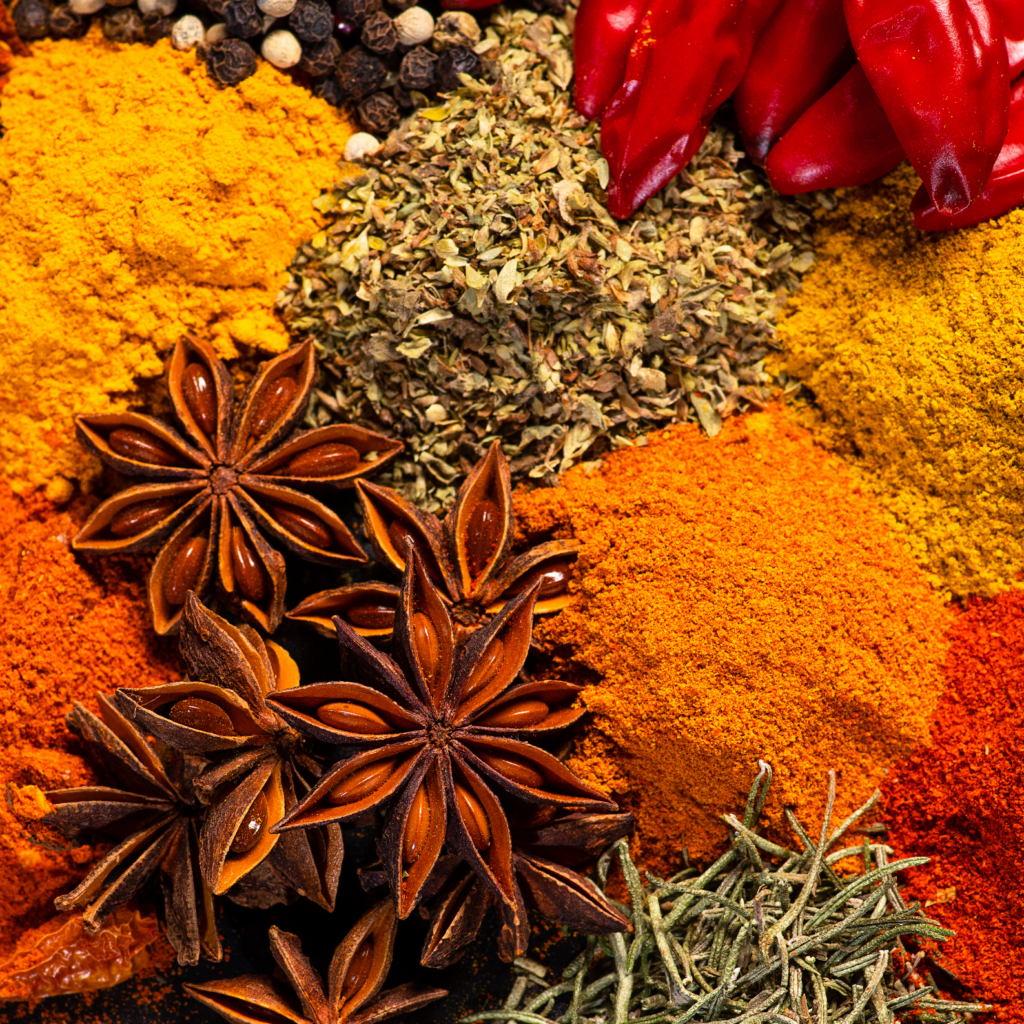
Spice handling processes typically combine safety sieving with particle size control and dedusting. For powder spices, safety sieving focuses on eliminating foreign bodies, agglomerates and oversized particles generated during grinding, conveying or storage. For whole or coarse spices such as peppercorns and similar granular products, classification and dedusting aim to deliver a uniform fraction free […]
NUT GRANULES CLASSIFICATION
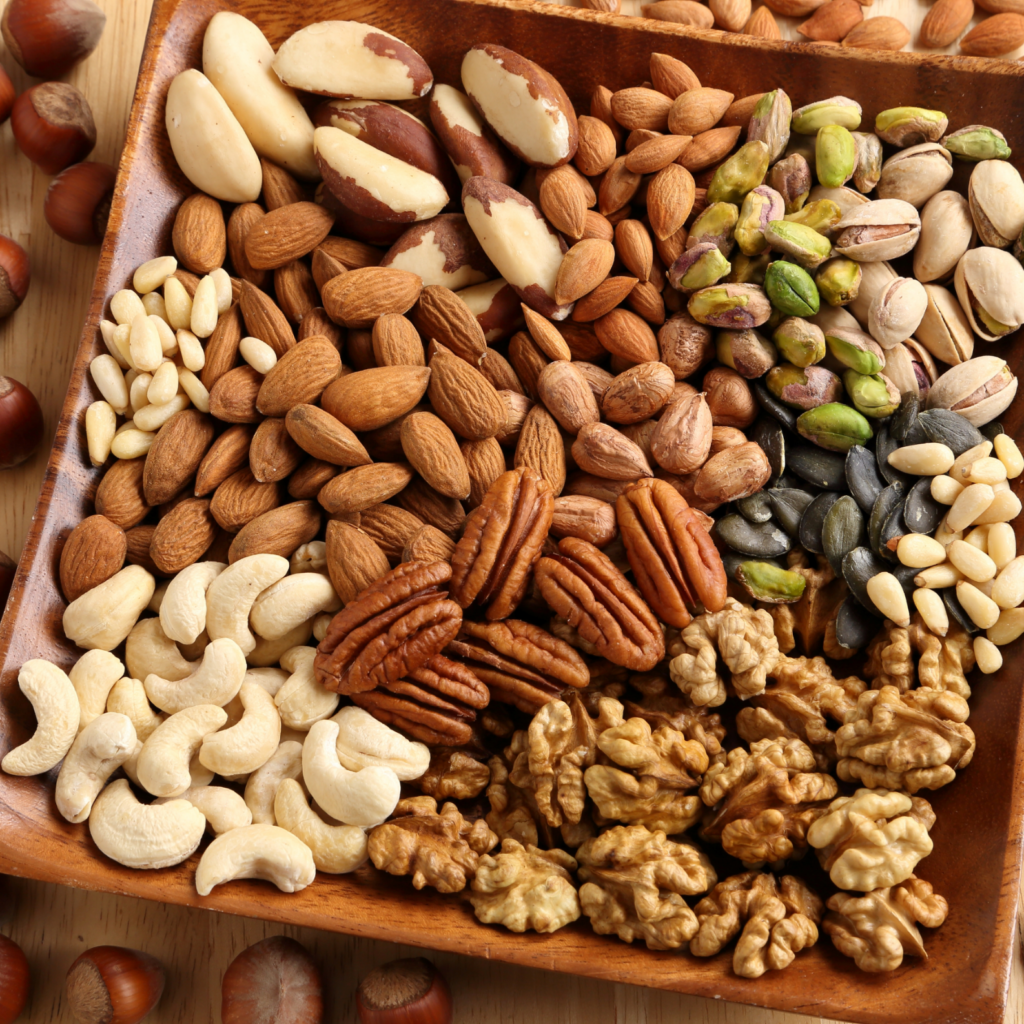
In nut processing, granules classification separates hazelnut, pistachio, almond and other nut granules into precise size fractions, removing oversize and fines while preserving the integrity of the usable product. A stable and well controlled classification step keeps recipes within specification, improves visual appearance and mouthfeel of the final product, and limits the amount of rework […]
PROTEIN‑RICH FLOUR CLASSIFICATION
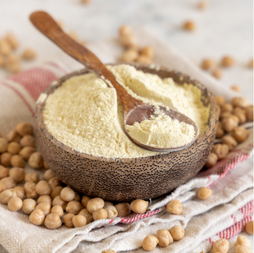
Protein‑rich flours derived from beans, peas and other legumes, as well as from chickpeas, lentils, faba beans and similar vegetable ingredients, often contain residual coarse particles and unwanted fines after grinding. Classification is required to remove these extremes of the particle size distribution, delivering a controlled fraction that behaves predictably in hydration, mixing and texturisation […]
FUNCTIONAL INGREDIENTS SAFETY SIEVING
Functional food ingredients cover a wide range of speciality powders, from potato‑based systems to modified starches, vegetable protein fractions and other tailor‑made ingredients for texture, stability or flavour delivery. Single raw materials can be processed into dozens of versions with different behaviours, such as ingredients designed to replace other ingredients in food preparations, create gelled […]