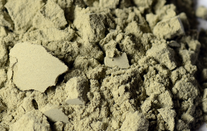
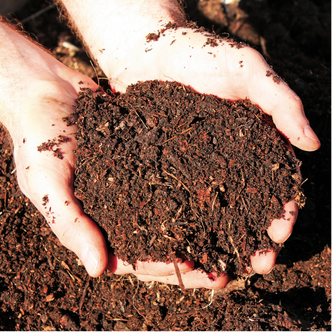
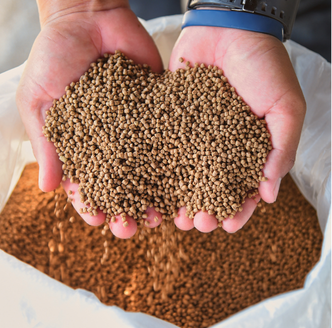
In remediation of former mining sites, mixed deposits often contain a combination of coal fines, mineral gangue, and soil-like materials. Without proper separation, these deposits represent both an environmental liability and a lost energy resource. By implementing a suitable beneficiation process, it is possible to recover a usable coal fraction while reducing the volume and impact of residual material.
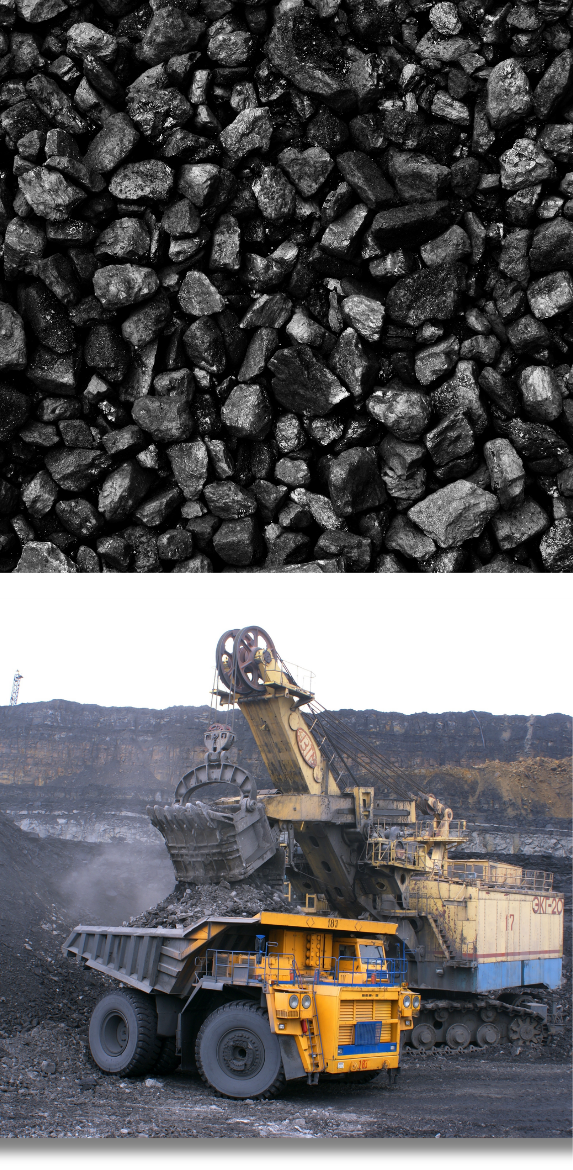 The classification step focuses on separating coal-rich fractions from inert and undesired components, based on particle size and behaviour. Accurate control of the granulometric curve improves downstream handling, drying, and potential briquetting or combustion steps. At the same time, removing fine contaminants and undesired fractions helps stabilise product characteristics and protects downstream equipment from excessive wear or fouling.
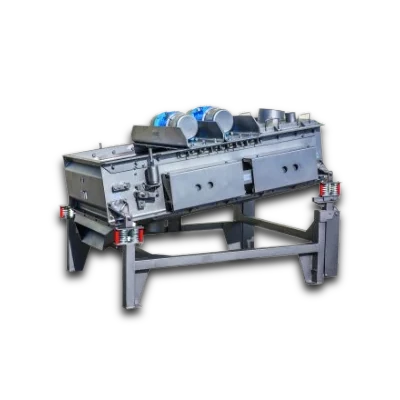
Vibrating sieving is particularly suitable for this type of application, as it can handle abrasive, heterogeneous products at relevant industrial throughputs. For coal beneficiation, rectangular multifrequency sieves are especially advantageous, as they combine large screening surfaces with enhanced mesh excitation, improving separation efficiency and reducing the risk of blinding when working with fine or moist materials.
MLT Cuccolini X-Line rectangular multifrequency sieves are used in these coal recovery processes to classify material coming from excavation, pre-crushing, or conditioning stages. Installed in primary or secondary screening positions, they separate the feed into an oversize fraction, a usable coal-rich product, and, where required, a fine or waste fraction. Multifrequency vibration enables efficient operation even when feed characteristics fluctuate, maintaining stable cut points and throughput.
The robust construction of X-Line rectangular sieves ensures reliable performance in harsh environments typical of mining and remediation sites. Their design facilitates maintenance and mesh replacement, supporting long operating campaigns with minimal downtime. Depending on project needs, they can be integrated into mobile or stationary installations, combined with conveyors, feeders, and dust control systems.
Using MLT Cuccolini X-Line rectangular multifrequency sieves for coal beneficiation allows the recovery of valuable coal fines from remediation projects, improving the economic balance of site clean-up operations. At the same time, precise classification and removal of unwanted fractions contribute to better downstream process stability and reduced equipment wear.
The combination of high-capacity handling, multifrequency screening technology, and robust design makes these solutions particularly suitable for mining and coal recovery applications where both performance and durability are critical.
Contact MLT Cuccolini to discuss your coal beneficiation or mine remediation project and identify the most suitable X-Line rectangular screening solution for your specific installation.
See it in action
Discover how MLT technology helps companies
improve product quality, increase efficiency
and simplify their production processes.