
Plastic and Rubber Recycling: Different Materials, Different Sieving Requirements
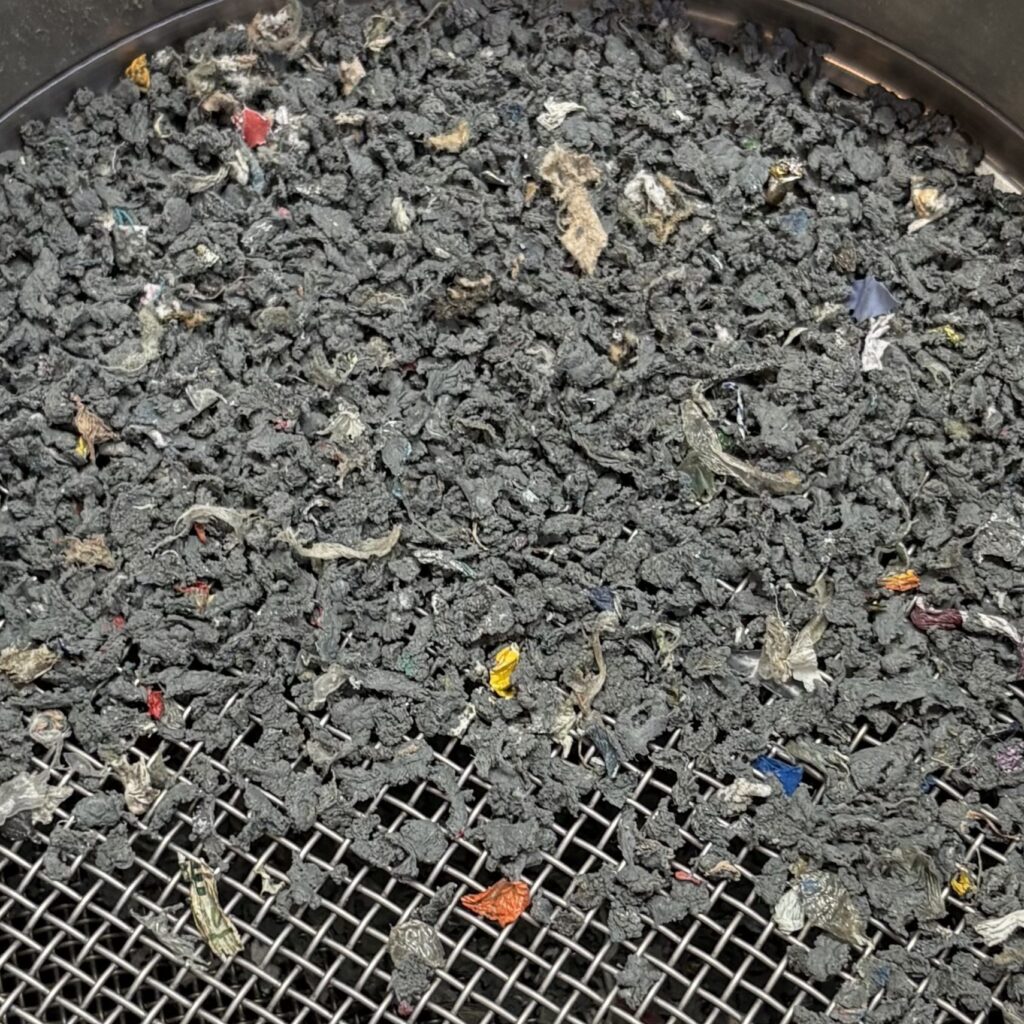
In plastic and rubber recycling, achieving the required separation depends on more than particle size alone. Bulk density, particle shape and the presence of unwanted fractions can all influence material behaviour during sieving. Selecting a vibrating sieve therefore requires considering both the product characteristics and the desired separation result. Three Applications in Plastic and Rubber […]
CAROB FLOUR CLASSIFICATION
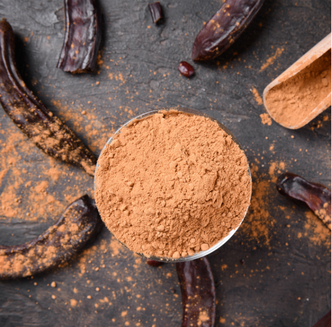
Carob flour is typically obtained through milling processes that generate fine powders with variable particle size distribution. During production and handling, agglomerates, foreign bodies, and oversize particles may be present, requiring effective classification to meet product specifications and ensure consistent quality. The classification process is particularly critical when fine cuts are required, such as around […]
FINE CLAY CLASSIFICATION FOR COSMETIC USE
Cosmetic-grade clays are characterized by very fine particle sizes and a natural tendency toward plasticity, which can complicate the classification process. Variations in granulometry, as well as the presence of foreign bodies or agglomerates, can impact the consistency and sensory properties of the final product. The classification process aims to remove both oversize particles and […]
GYPSUM SAFETY SIEVING AND CLASSIFICATION
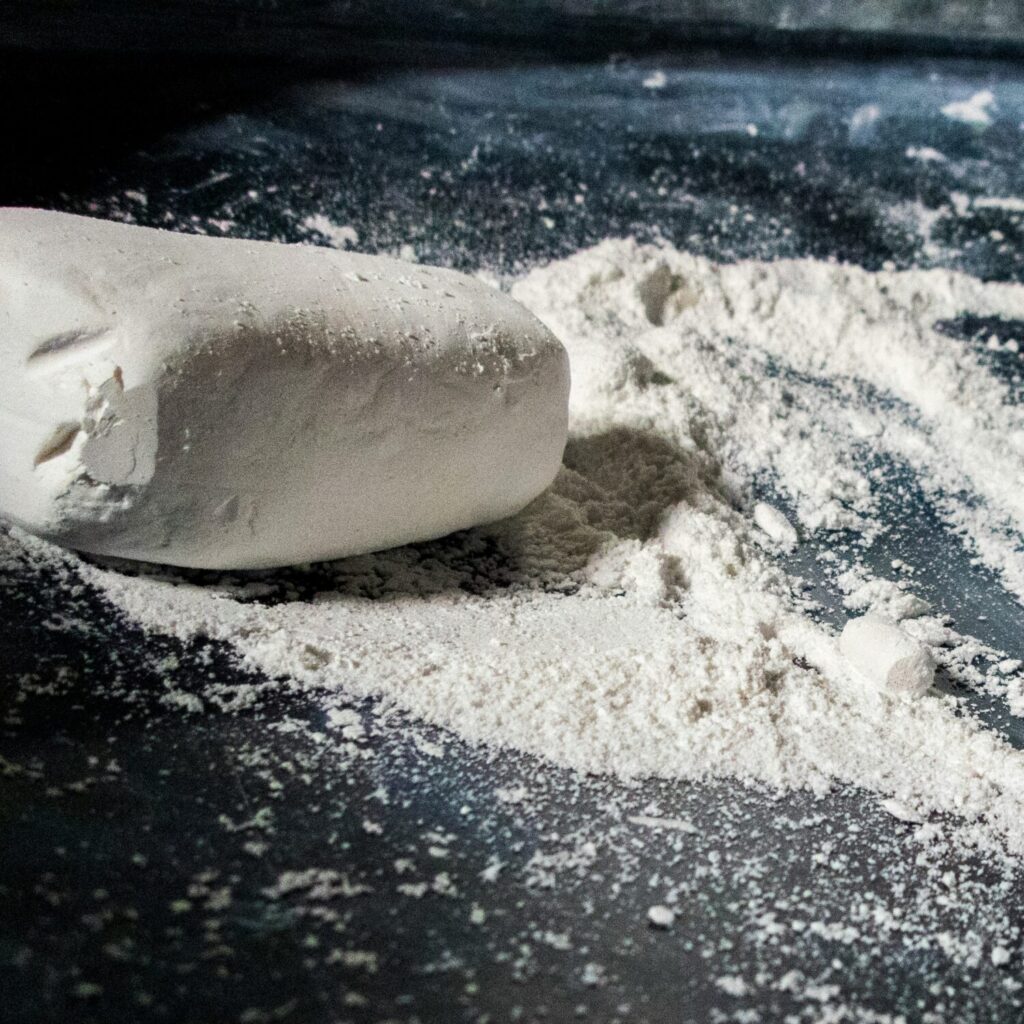
Gypsum powders, whether natural or synthetic, are typically processed through crushing, drying, and milling stages before final use. During these phases, contaminants and oversize fractions may be introduced or generated, making safety sieving a necessary step to protect equipment and ensure compliance with product specifications. Safety sieving focuses on the removal of foreign bodies and […]
LIME MILK FILTRATION AND SIEVING

Lime milk, whether in low-viscosity or dense formulations, often contains foreign bodies, agglomerates, or oversize particles that can compromise product quality and process stability. In paper applications, fine and stable suspensions are required to ensure uniform coating and ideal optical properties. In building materials such as stucco and lime-based coatings, the presence of coarse particles […]
COPPER-BASED FUNGICIDES FILTRATION
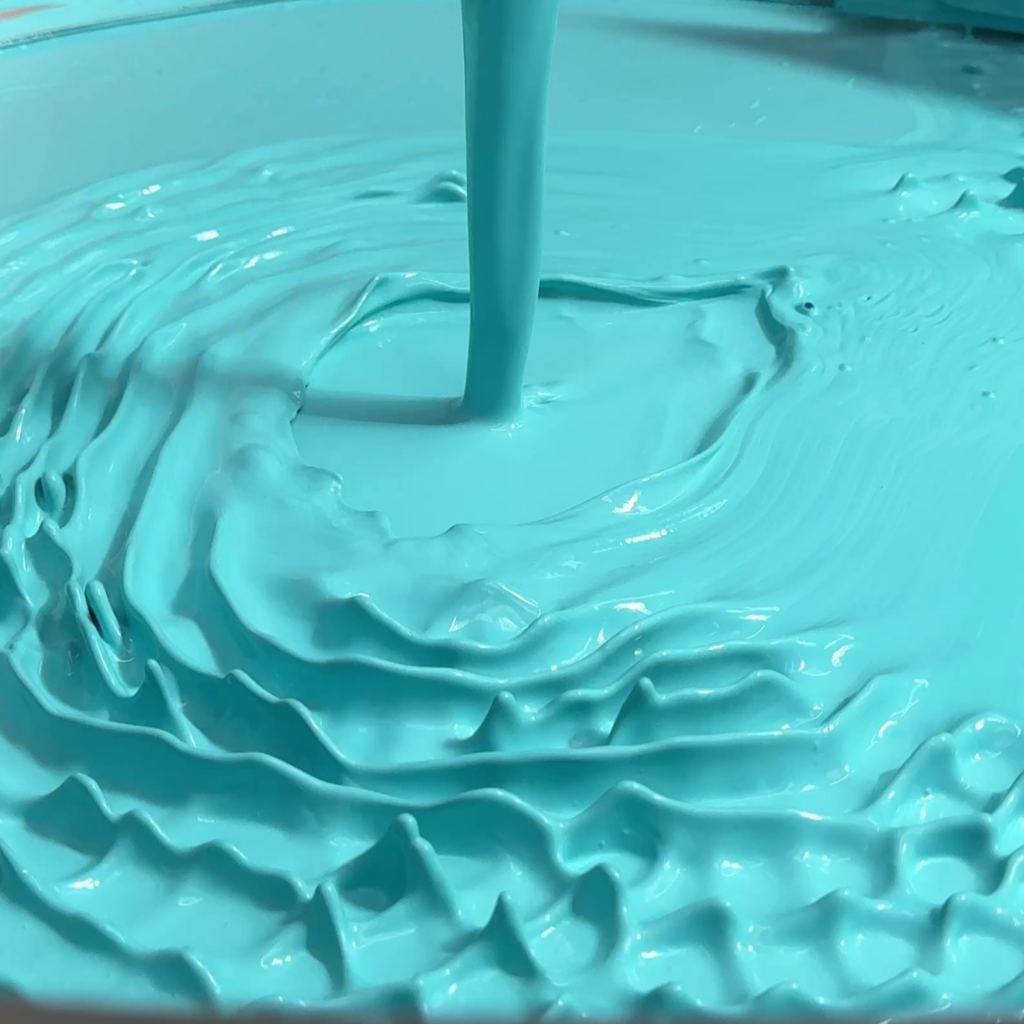
Liquid fungicide formulations based on copper compounds often include dispersed solids and functional additives that must remain within a defined particle size range. During production and mixing, process residues, agglomerates, or foreign bodies can be introduced, leading to potential issues such as nozzle clogging, sediment build-up, or non-uniform active ingredient distribution. Filtration is therefore a […]
SUGAR SAFETY SIEVING AND CLASSIFICATION
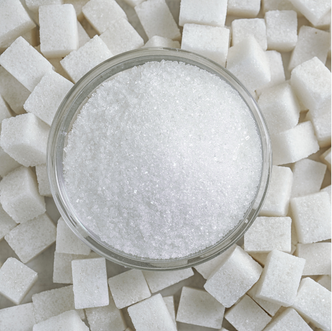
Sugar handling processes involve both safety sieving and particle size classification, each with specific objectives. Safety sieving focuses on removing foreign bodies, lumps and coarse agglomerates that may originate from storage, conveying or packaging, while classification creates defined fractions, from coarse crystals to very fine powders, tailored to the requirements of different end products. In […]
FILTRATION OF CATTLE MANURE
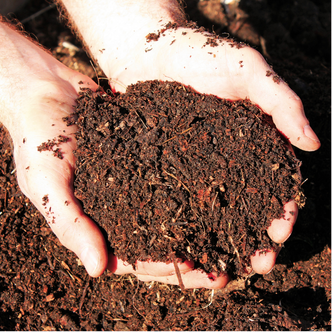
In modern livestock farms, manure is often collected in channels or storage pits as a slurry containing a wide range of particle sizes, bedding residues, and other foreign materials. Without adequate separation, this mixture can be difficult to pump, causes sediment build-up in tanks, and may lead to uneven distribution when applied to the fields. […]
FISH FEED CLASSIFICATION
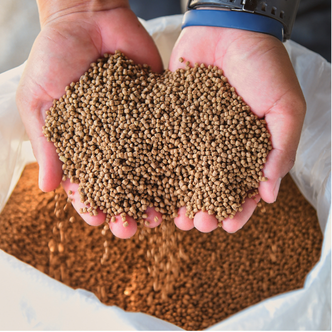
Fish feed is typically produced as granules or pellets through extrusion or other forming processes, followed by drying and cooling. The resulting product contains a natural spread of particle sizes, from fines to oversize pellets, which needs to be brought under control. Without effective classification, feed batches may contain particles that are too large or […]
FILTRATION OF POTATO STARCH IN POTATO PROCESSING
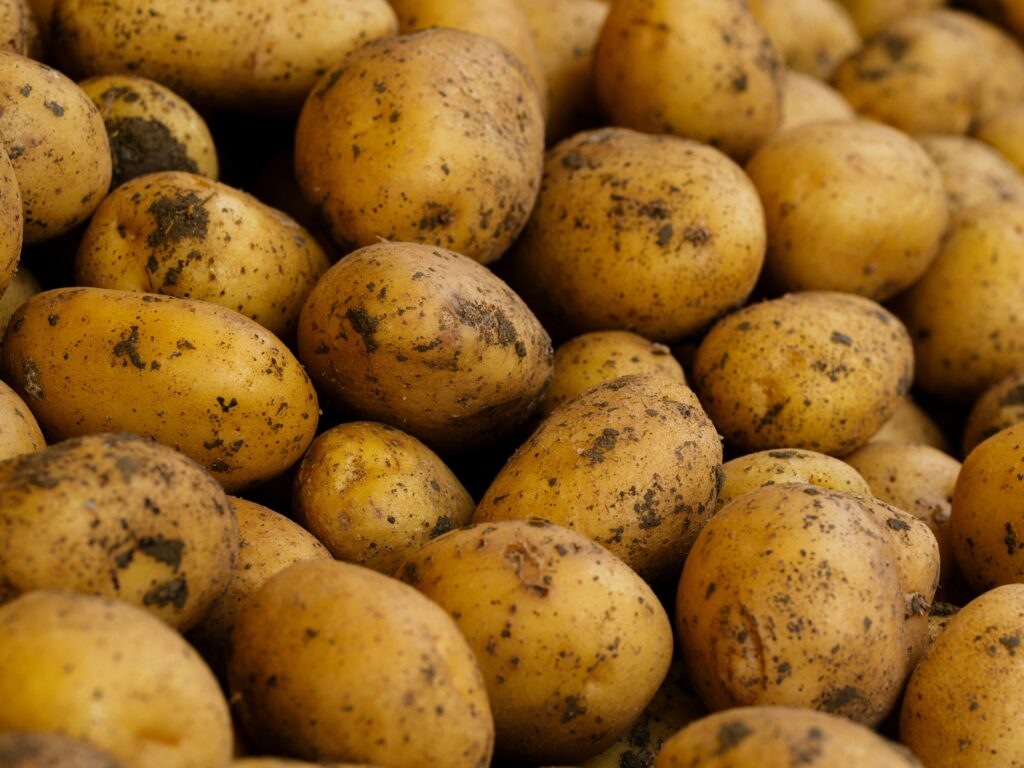
During typical industrial processing, potatoes are transported, peeled, and cut using water channels that carry both product and process residues. As potatoes are abraded and sliced, a considerable amount of starch is released into the water stream. If not removed, this starch accumulates in the circuit, contributing to foam formation, deposits, and higher cleaning requirements […]