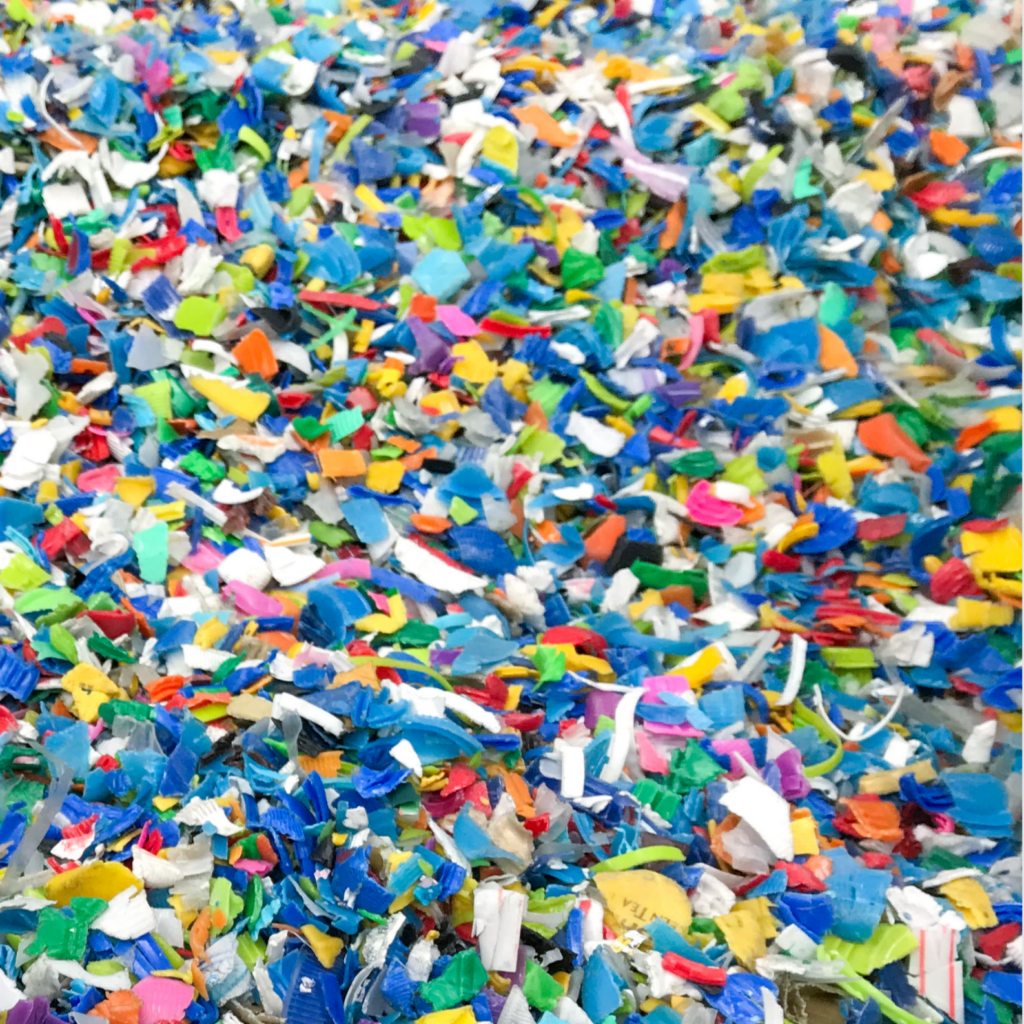
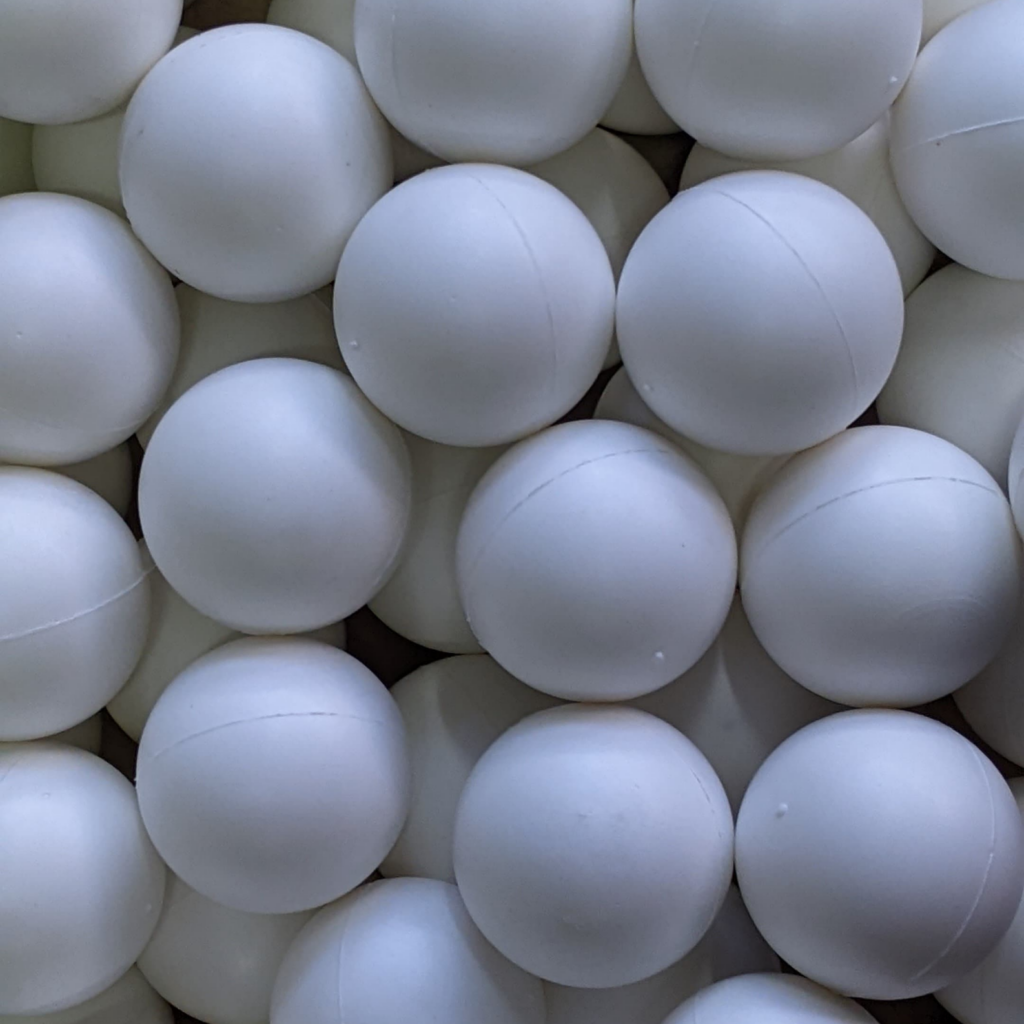
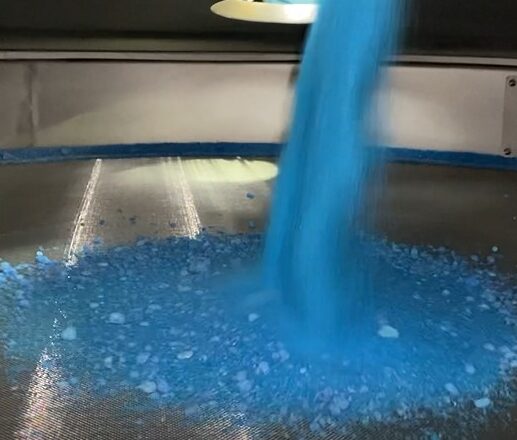
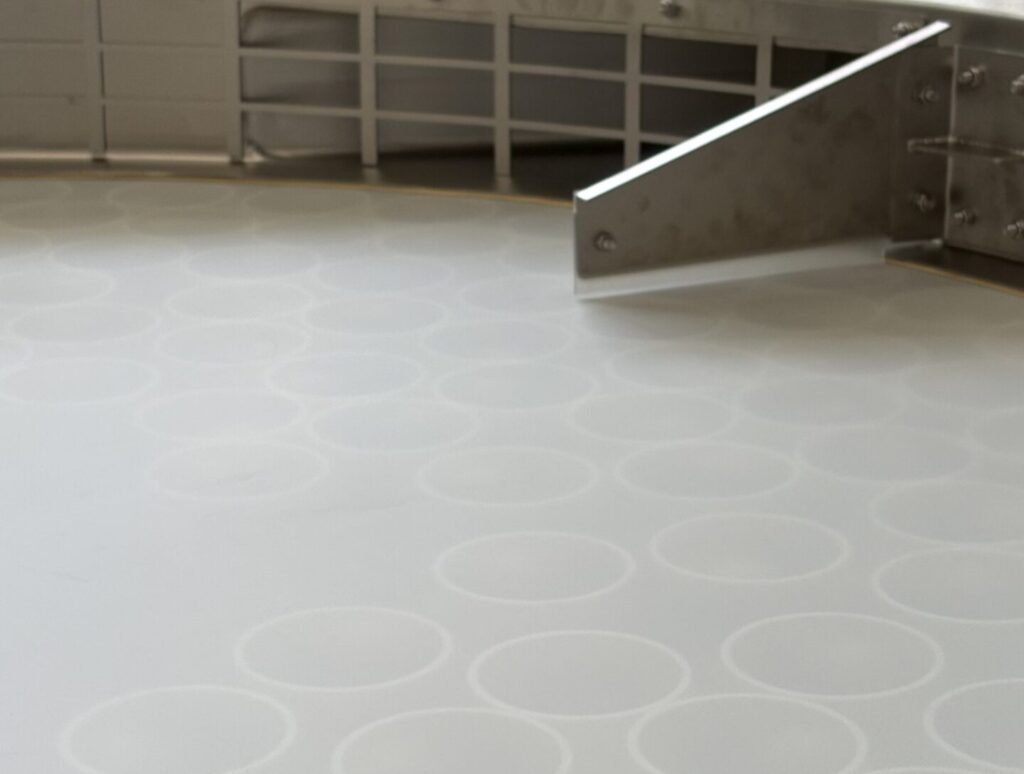
In plastic and rubber recycling, achieving the required separation depends on more than particle size alone. Bulk density, particle shape and the presence of unwanted fractions can all influence material behaviour during sieving.
Selecting a vibrating sieve therefore requires considering both the product characteristics and the desired separation result.
Three Applications in Plastic and Rubber Recycling
Ground Membrane
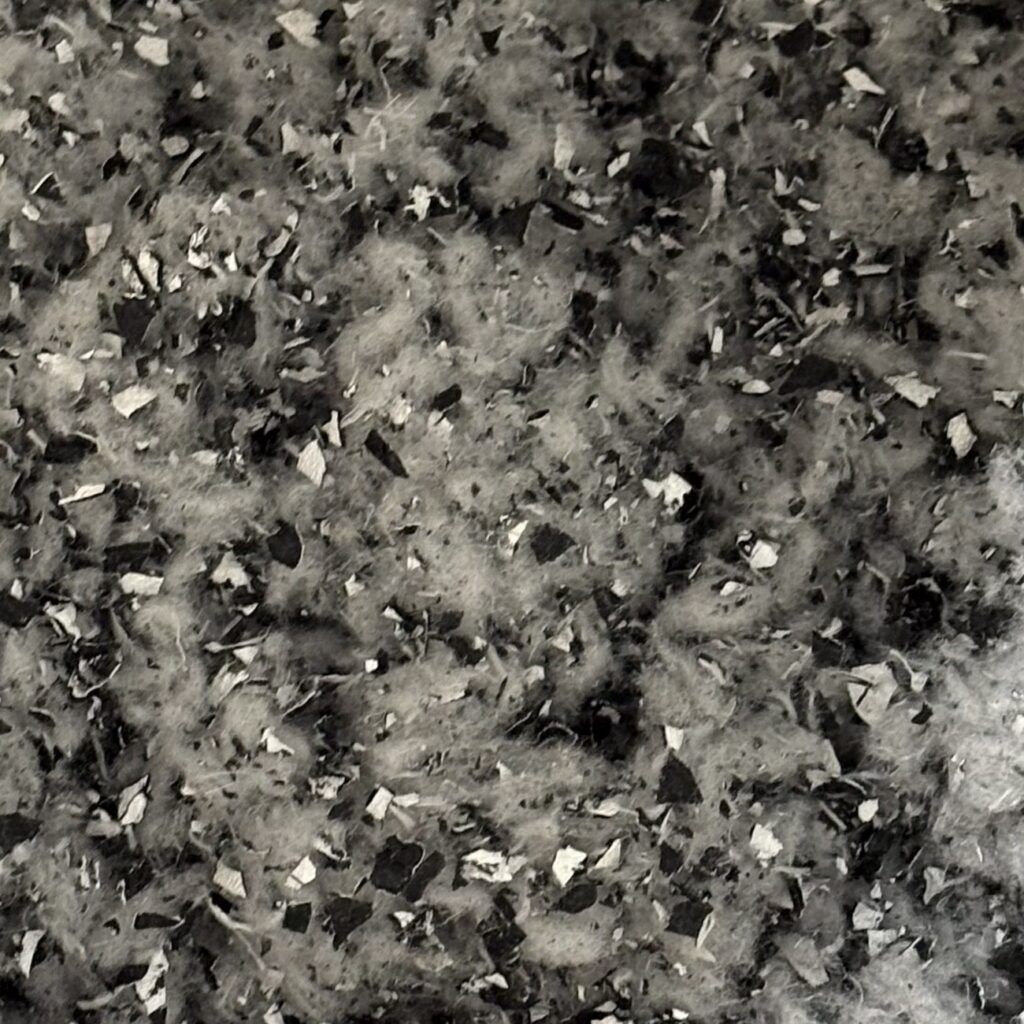
In this application, the objective was to recover the usable fraction of ground membrane, with particle sizes between 1 and 7 mm, for subsequent reuse.
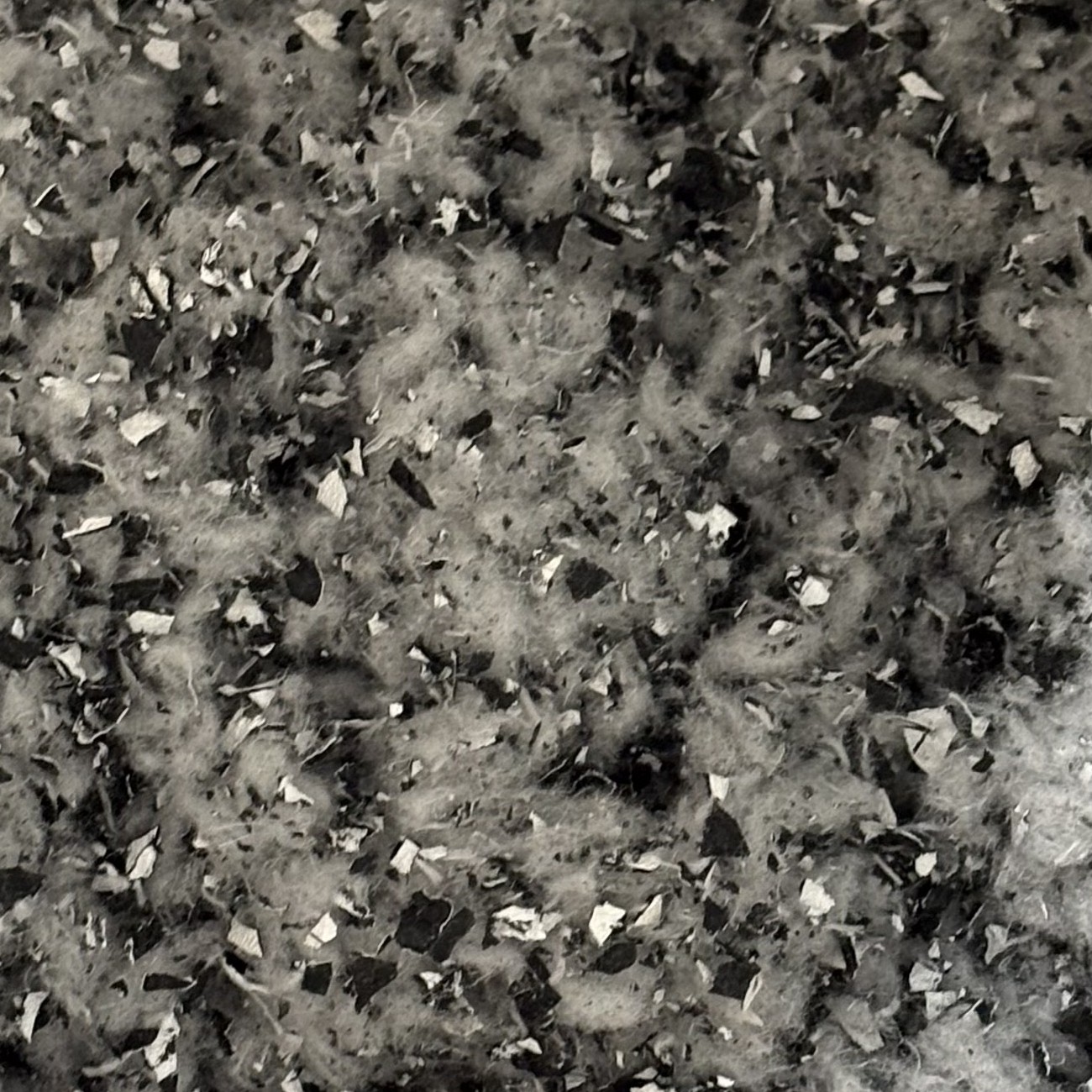
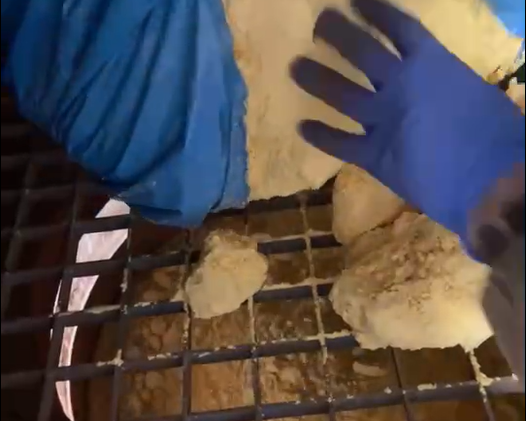
The main challenge was removing two unwanted fractions: oversized material, consisting of tufts larger than 7 mm, and fine particles smaller than 1 mm, whose presence contributed to tufts formation.
An important aspect of this application is the variable nature of recycled membrane. Its characteristics need to be assessed and monitored at the mill discharge, as repeated handling after grinding can further affect the material. Its behaviour may vary depending on the characteristics of the original material, the grinding process, subsequent handling stages and the possible introduction of other materials during recovery. For this reason, the product cannot be considered stable over time, and these variations need to be taken into account when defining and adjusting the sieving process.
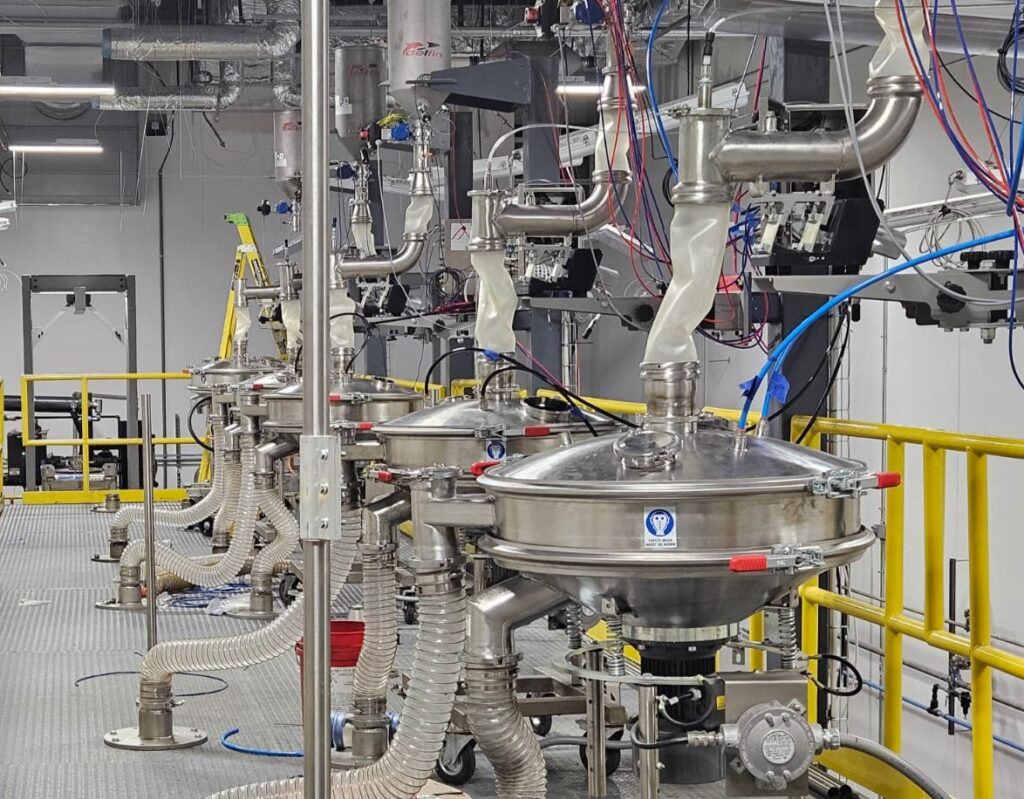
To achieve the required separation, the VPM_S vibrating sieve was configured with two sieving decks, featuring mesh openings of 7 mm and 1 mm. This arrangement separated the oversized clumps and fine particles from the intermediate fraction intended for reuse.
The material’s low bulk density and irregular particle shape also required attention when defining the machine configuration, particularly regarding product distribution across the sieving surface and the possibility of mesh blinding.
Filter Powders
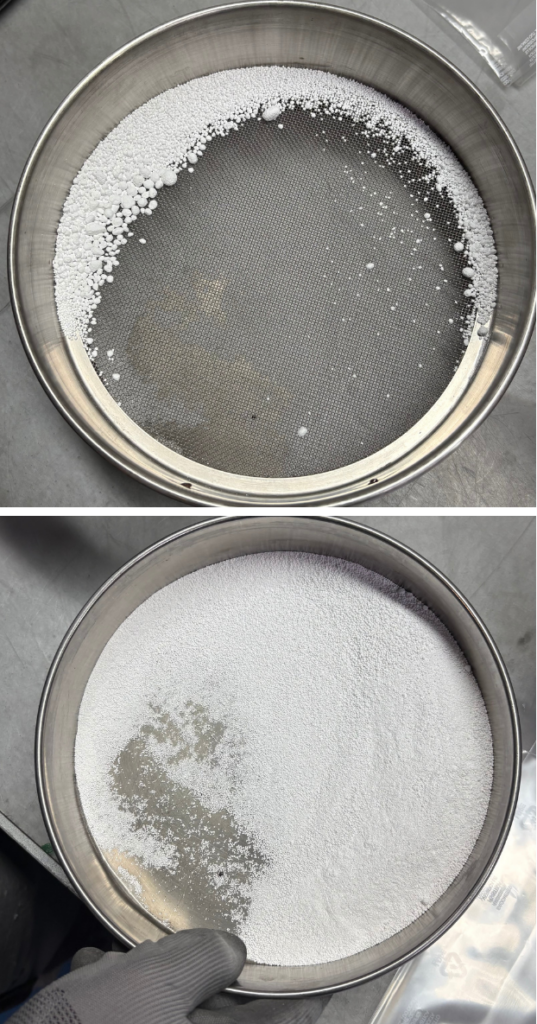
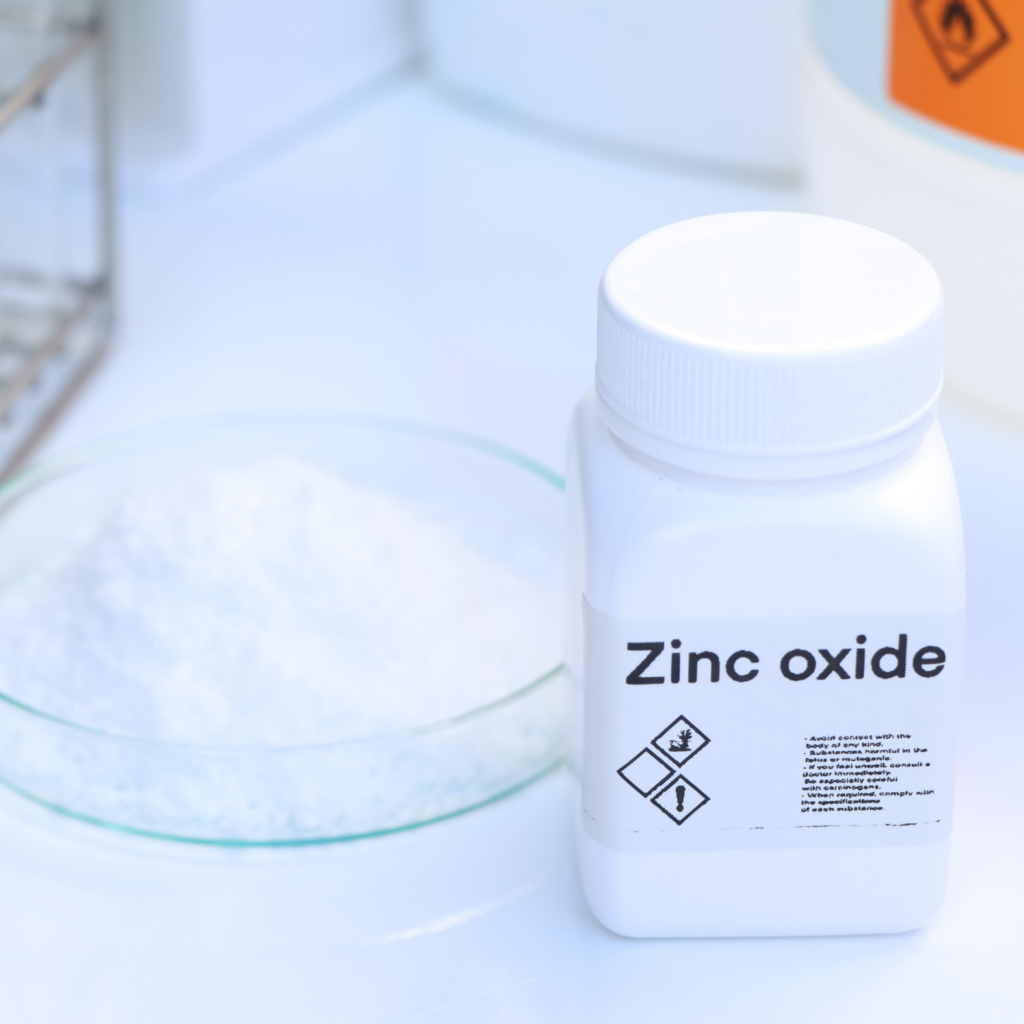
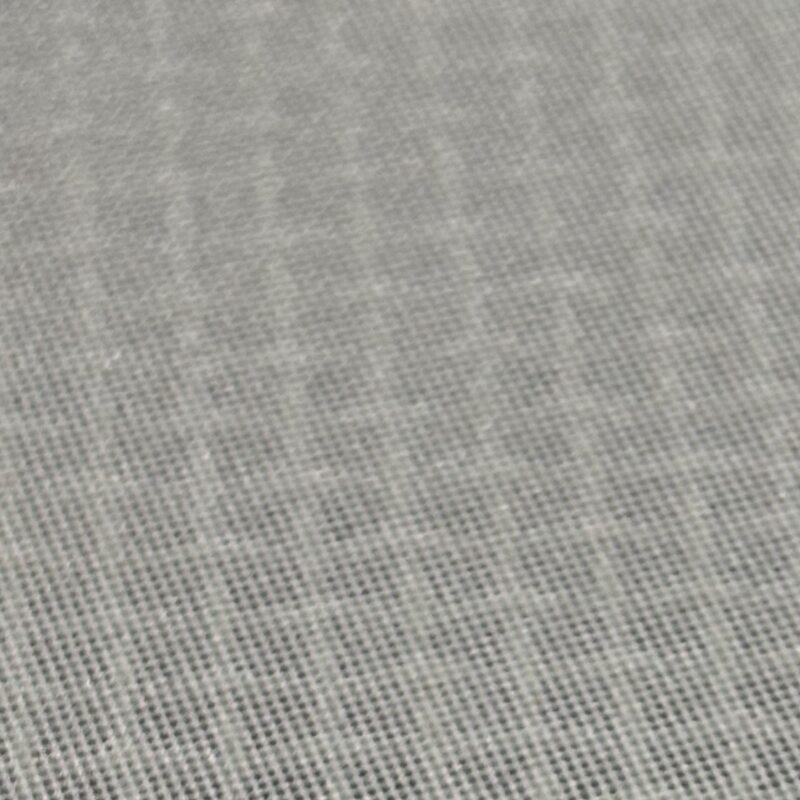
This application involved a mixed product containing two distinct fractions, one black and one green. The objective was to separate the two components as effectively as possible, with particular attention to the material retained on the mesh.
The VPM_S was equipped with an antistatic mesh with a 630 µm opening. Its antistatic properties helped prevent material from accumulating in the mesh openings, allowing the product to pass through more effectively.
The material’s low bulk density was another factor considered when defining the machine configuration.
Extruded Rubber and Recycled Plastic
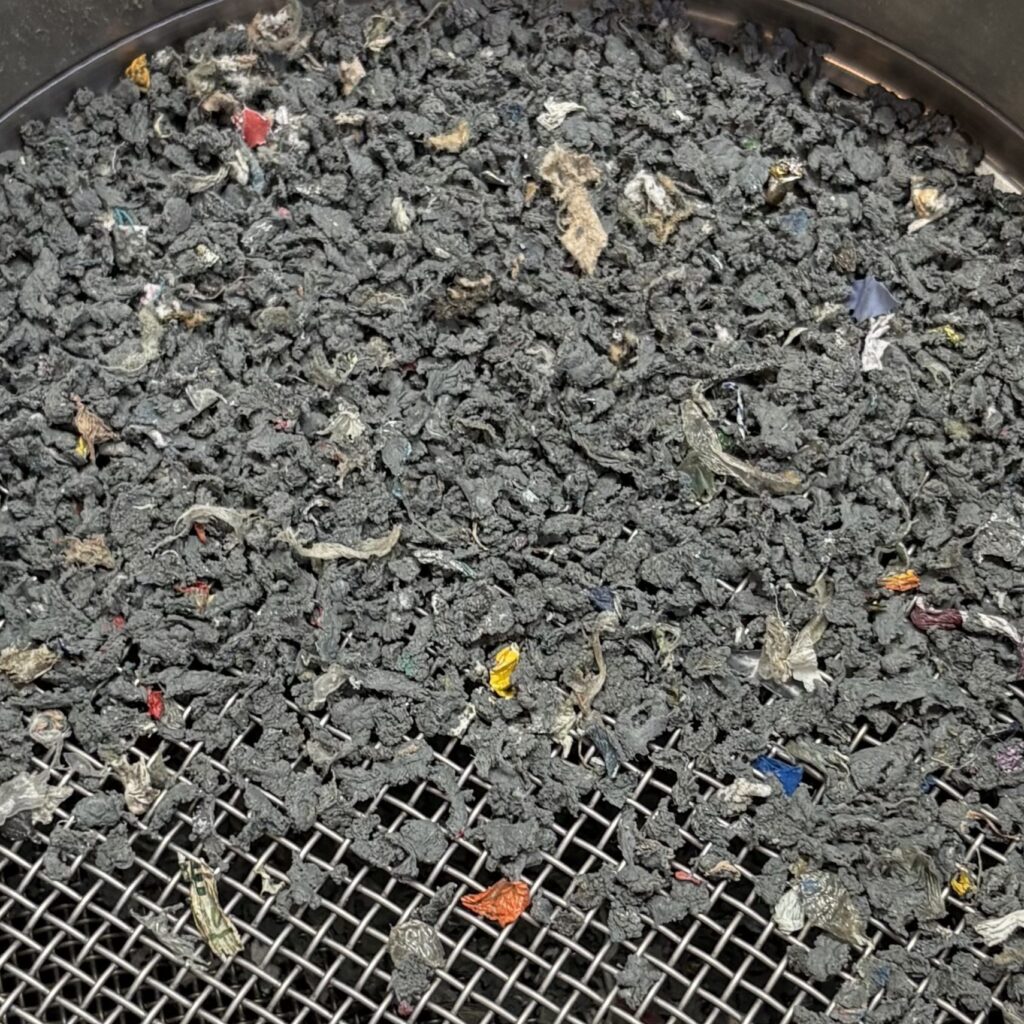
In this application, the customer’s main objective was to remove fine particles, or dust, smaller than 1 mm from a mixture of extruded rubber and recycled plastic.
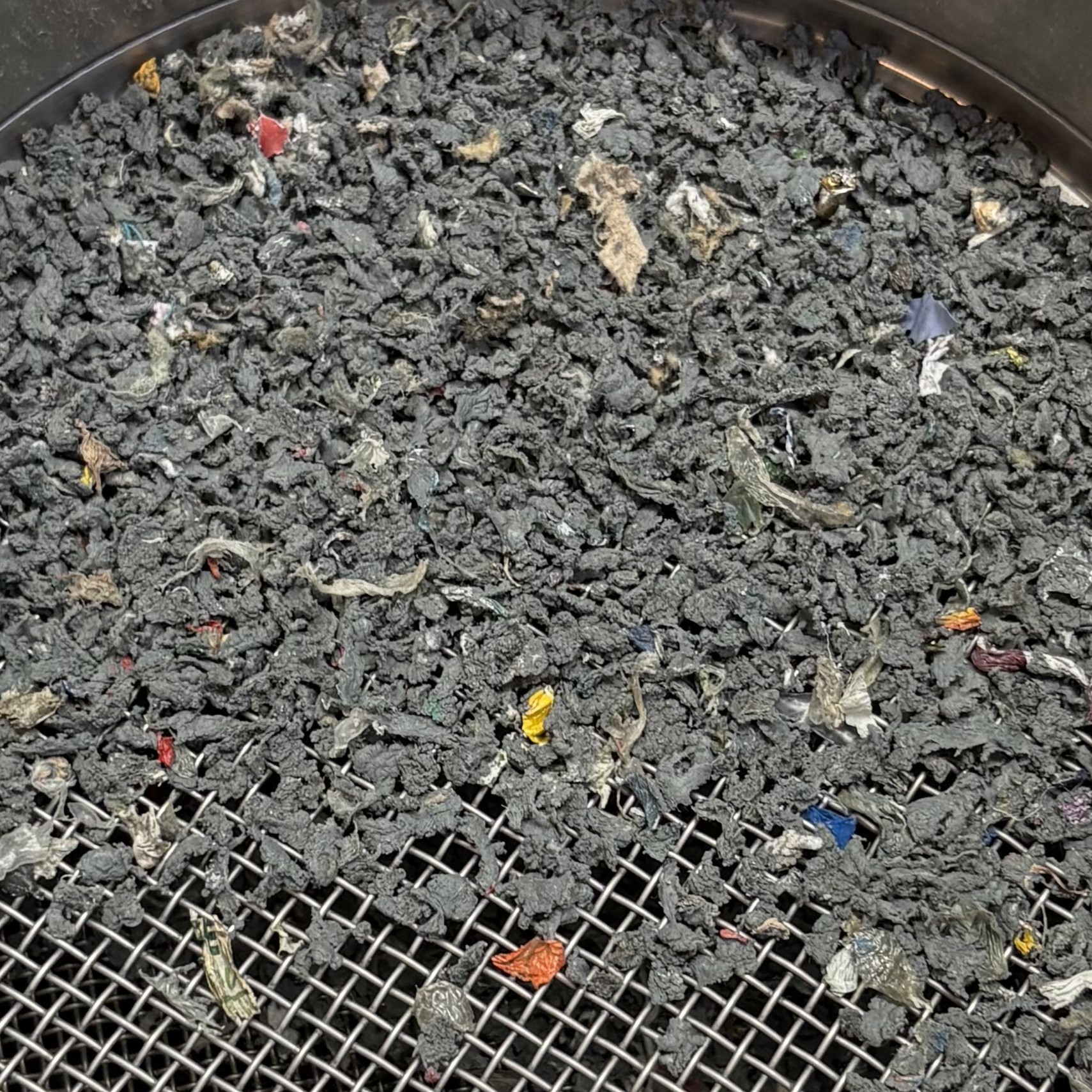
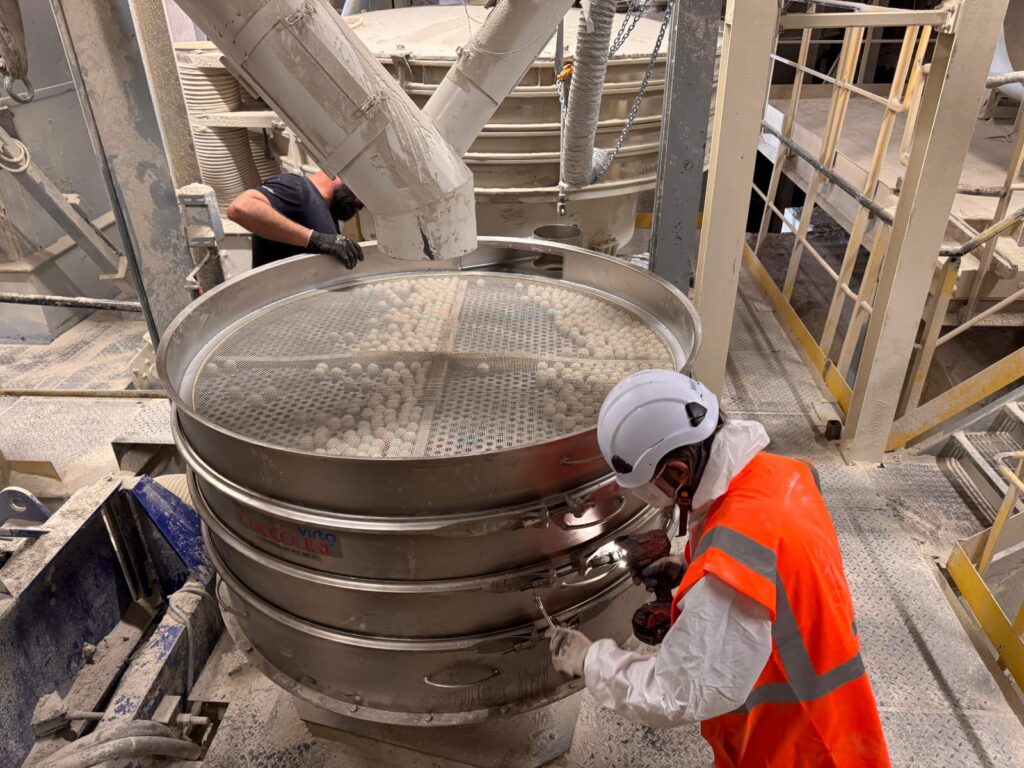
The VPM_S was configured with three sieving decks, using mesh openings of 4, 2 and 1 mm. While removing particles smaller than 1 mm was the primary objective, the additional mesh stages helped distribute the material load across the machine and avoid overloading a single sieving deck.
These applications illustrate the importance of adapting the vibrating sieve to the material and the specific requirements of each process.
Our VPM_S
The VPM_S can be equipped with up to four sieving decks, different mesh openings and application-specific cleaning systems. Its design is based on the sieve diameters already available in MLT Cuccolini’s standard range, while its higher-power vibration motor allows an average throughput increase of approximately 40%, depending on the behaviour of the product. The machine is suitable for classification and dedusting duties involving powders and granules.
The combination of these elements allows the machine configuration to be adapted to different materials and separation requirements.
At MLT Cuccolini, each application is evaluated starting from the product to be processed and the separation result required, supporting the selection of a solution consistent with the customer’s operational needs.
Contact MLT Cuccolini to discuss your application and identify the most suitable sieving solution.