Last week, a customer told us that they spend about 300,000 Euro per year just to replace the meshes of the screens (from a competitor) they have in operation. We almost fell off our chairs. First, because the amount is huge; second, because even if the product is abrasive, it is obvious that something is wrong — and yet nobody stepped in to investigate why.
From an on-site analysis the customer asked us to perform, some very interesting points emerged, once again showing how the supply of a screen requires careful attention both in its correct sizing and in the post-sales phase.
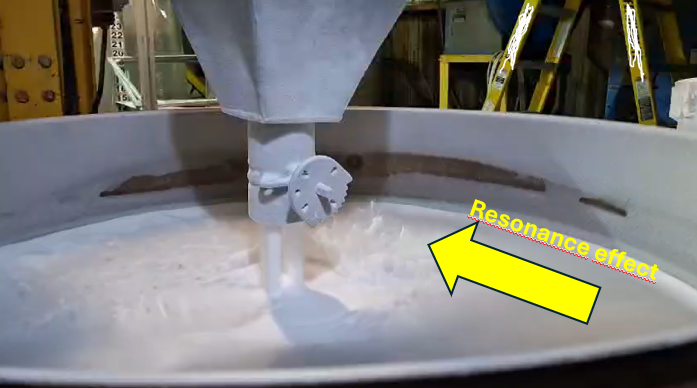
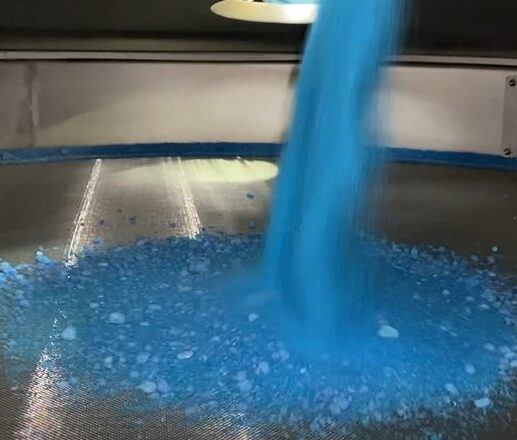
In almost all of the cases they showed us, there were nonconformities related to feeding (not carried out at the centre of the screen and with an abrasive product), but the most striking aspect was that most of the screens we saw in operation were oversized for the customer’s flow rates.
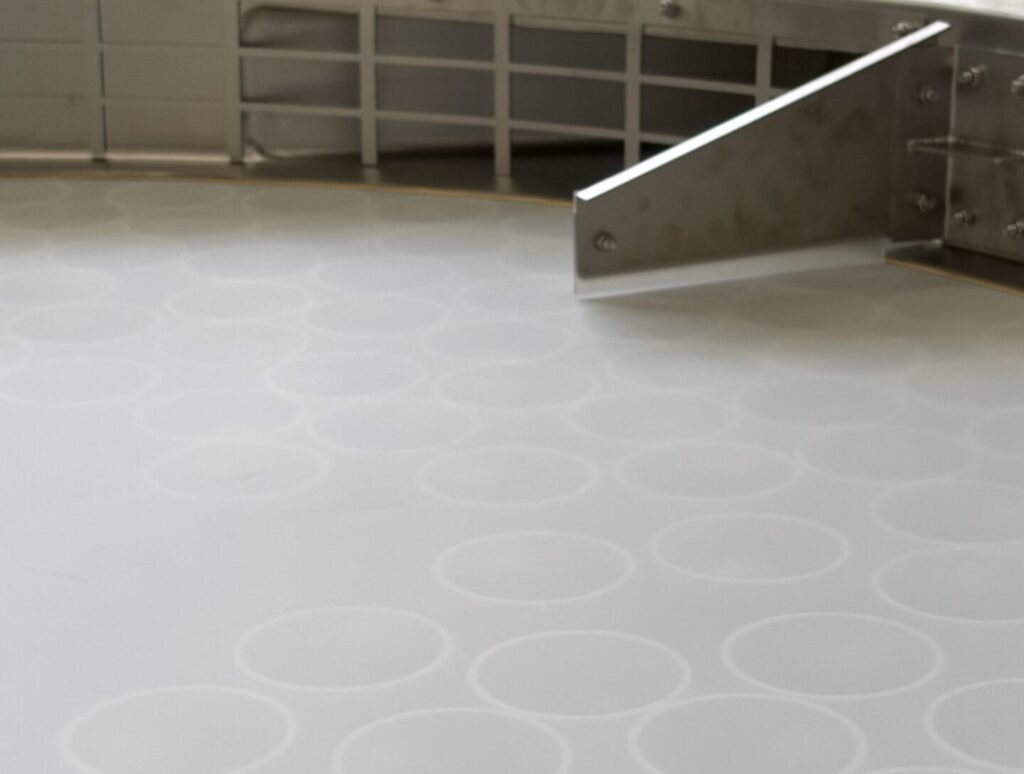
This is not a minor detail. If the screening surface is not used evenly, the elasticity of the mesh will be subjected to greater stress, and in the presence of an abrasive product it will be even more exposed to the risk of breakage. Obviously, this also generates inefficiency throughout the production line.
If a screen is oversized, aside from the issues related to the mesh, both the operating costs (motor power) and maintenance costs will increase, including both spare parts and the handling of the various components.
This is why analysing the product and the application already in the pre-sales phase is so important. We do this to find the most suitable solution for each individual customer and supply case; yet it seems that, for many customers, having a lower price is still more important than having operational peace of mind.
The customer, needless to say, invited us to submit our offer for replacing their machines. With a machine park better suited to their needs, it will be possible to reduce mesh refurbishment costs by over 90% and gain additional savings in downtime on the operational side as well.
This case allows us to emphasise once again how important it is to select the right screen at the time of purchase, and how equally important it is to monitor how it is used over time.