When the Magic of the Laser Ends… and the Hard Work Begins.
 Front lights, glossy brochures, lasers dancing on the powder: this is how metal 3D printing is sold.
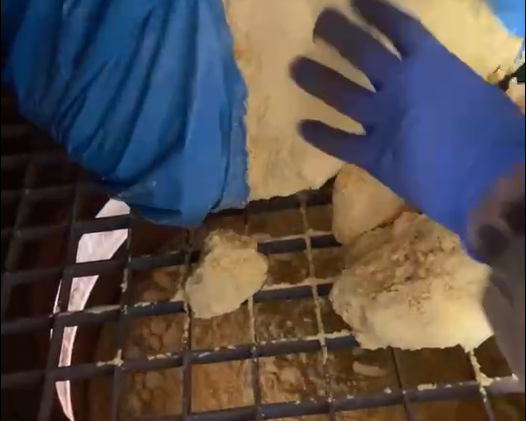
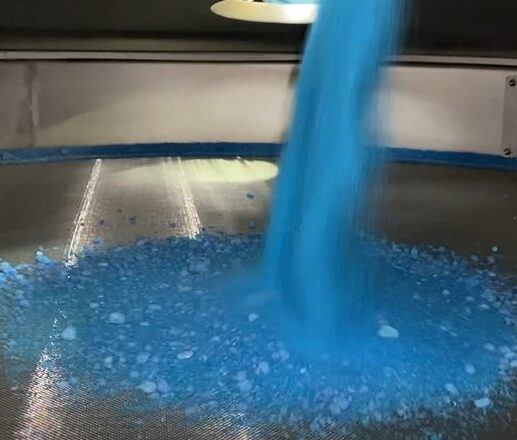
What nobody shows you is the “behind the scenes,” when the print is finished and you – or your operators – have to get your hands inside the integrated powder recovery system, crammed into a narrow cabinet, with a microscopic sieve that looks more suited to a laboratory than to production.
That is where the real movie begins: long processing times, awkward access, fear of spreading powder everywhere, risk of overheating on the mesh with ultrasonics that cannot dissipate heat as they should, little available sieving area and questionable results.
And in the end, everyone keeps asking the same question: “Wasn’t everything supposed to be simpler and more automatic?”
The Hidden Problem: Systems Designed for the Machine, Not for the Operator
Many integrated powder recovery systems are created with a clear objective: fit everything inside the printer, so they can claim “we have integrated automatic recovery.”
The price you pay, however, is what you see every day:
The result? Powder recovery, which should “disappear” into your daily workflow, becomes a bottleneck that slows down every new job list. And you start wondering whether that famous “integrated recovery” is really helping your productivity… or just the machine builder’s catalogue.
Second-Level Problem: It’s Not Just Time Lost, It’s Value Wasted
When the recovery system does not work as it should, the damage is not just a few extra minutes of waiting. It means:
In a context where metal powders are one of the heaviest cost items and safety is a daily concern, you cannot afford to have the recovery step as the weak point of your line.
The Unconventional Choice: Why We Said “No” to Yet Another Integrated System
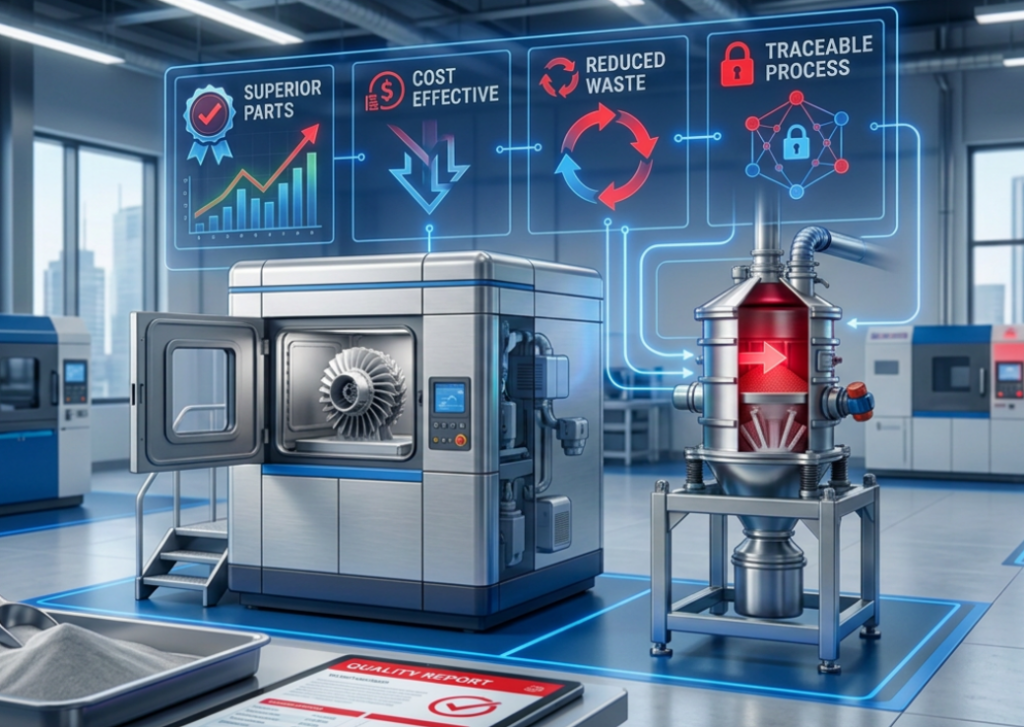
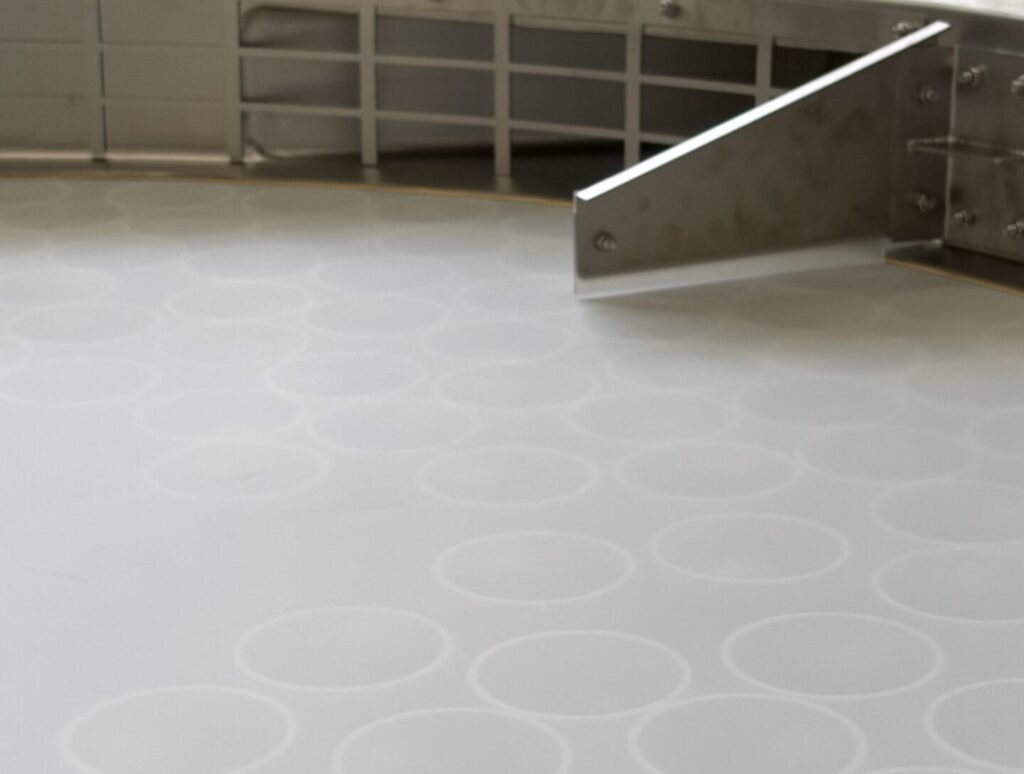
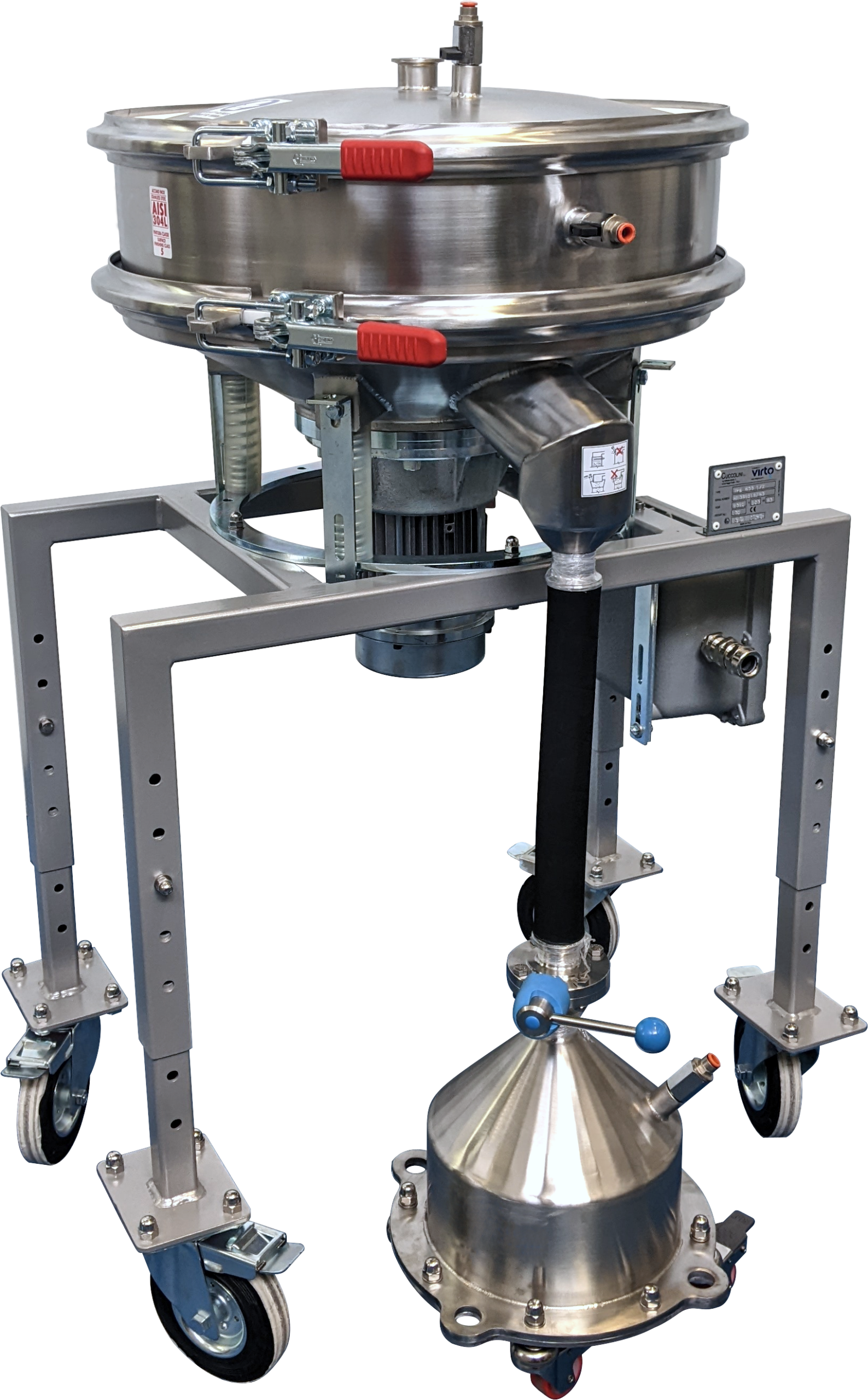
At MLT Cuccolini we know these situations, and we prefer to offer our expertise in powder screening by designing a dedicated stand-alone unit, the 3D-500, engineered from scratch for the recovery and reconditioning of metal powders.
Not to look good in a catalogue, but to truly solve the typical day of AM operators who manage multiple projects, multiple machines, multiple alloys.
The result is a system that combines ease of use and accurate screening performance, as we show in the video dedicated to powder recovery in additive production.
3D-500: The Stand-Alone “Breath of Fresh Air” for Those Who Live on Powders
What changes when you move powder recovery onto a 3D-500 vibrosieve?
In other words: we do not ask you to adapt your way of working to the machine; it is the machine that adapts to the rhythm of your production.
A Typical Day, Without “Powder-Change Nightmares”
Imagine an intense day in the AM department: several jobs in the queue, different alloys, tight deadlines.
Once the print is finished, the unsintered powder does not turn into a problem to “tame” inside a cabinet, but follows a clear path: collection, transfer to the 3D-500, start of the cycle with controlled atmosphere, screening, and recovery of good powder ready for the next round.
While the 3D-500 is working, you can focus on what really creates value: preparing the next job, checking parts, talking to customers.
Additionally, the stainless steel AISI 304 construction and ATEX 22 certification allow you to integrate the system into your layout with the peace of mind of complying with safety regulations for metal powders.
Not “Just a Vibrosieve,” but a Piece of the Process
Behind the 3D-500 there is not just a machine, but a team that knows very well what it means to handle demanding powders in industrial environments, and an Aftermarket Division ready to support you with spare parts and preventive maintenance programs.
Because the real goal is not only to recover powder: it is to do it in a repeatable, safe, and sustainable way over time, without turning every machine stop into an emergency.
…And Now?
If you recognize even part of your operators’ daily struggle with integrated powder recovery systems, maybe it is time to consider a different approach.
Adding a 3D-500 alongside your 3D printer is not “adding another machine,” but removing a bottleneck and giving your Additive department room to breathe again.