In the industrial world there is a recurring temptation: when a structural part breaks, we just replace the piece and move on.
Behind many requests for structural spare parts for our vibro-sieves, however, we see something completely different: a symptom, not the cause.
In recent years we have noticed that an increasing number of requests for bottoms, frames, covers or structural components in general actually hide problems of installation, maintenance or use of “compatible” spare parts that are only compatible on paper.
This is why we have decided to make a clear choice: to regulate the supply of certain structural parts and turn every request into an opportunity for a shared technical analysis with the customer.
It is not bureaucratic rigidity. It is a way to protect the reliability of our vibro-sieves and, above all, the production process of our users.
A Sieve Is Not Just the Sum of Its Parts
A vibro-sieve works properly when it behaves like a single, compact body, vibrating at the frequency defined in the design.
The moment some elements “detach” from a dynamic point of view – because they are not correctly tightened, because they have different weights or geometries, because they have worn out in areas that should have been protected according to our sealing logic – the machine stops being a coherent system and becomes a set of masses vibrating in different ways.
In this scenario, the following start to appear:
And often, the first suspect becomes the sieve itself. In reality, the problem almost always arises earlier: in the way the components that make it up are managed.
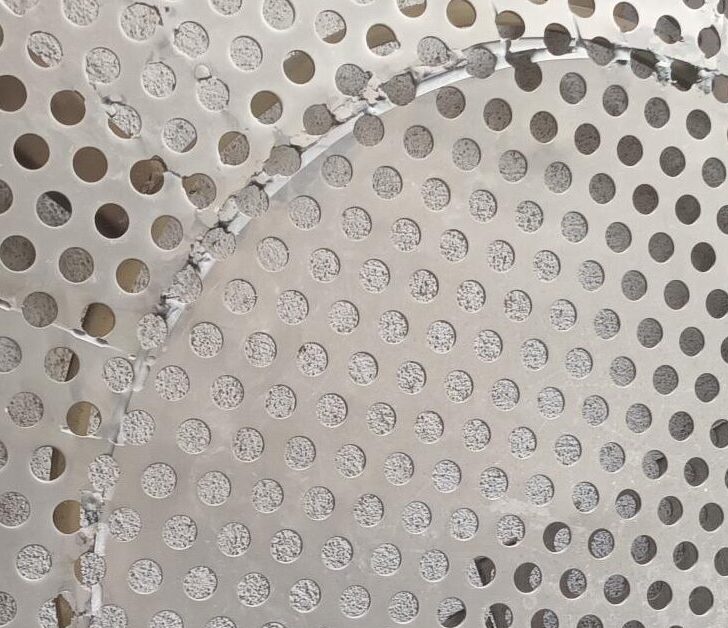
The Hidden Side of “Compatible” Spare Parts
Let us look at some real cases that we frequently encounter in the field.
Non-original gaskets
Gaskets are not just sealing elements: they determine how the sieve closes and ensure correct transmission of vibrations. A gasket with different hardness or cross-section can prevent proper tightening: the sieve no longer vibrates as a single block, but as several parts that each “dance” on their own. Result: uncontrolled vibrations, loss of sealing, accelerated wear of the frames and, in the worst cases, structural damage. All this for a spare part that, at first glance, “seemed fine anyway.”
Support discs and cleaning systems
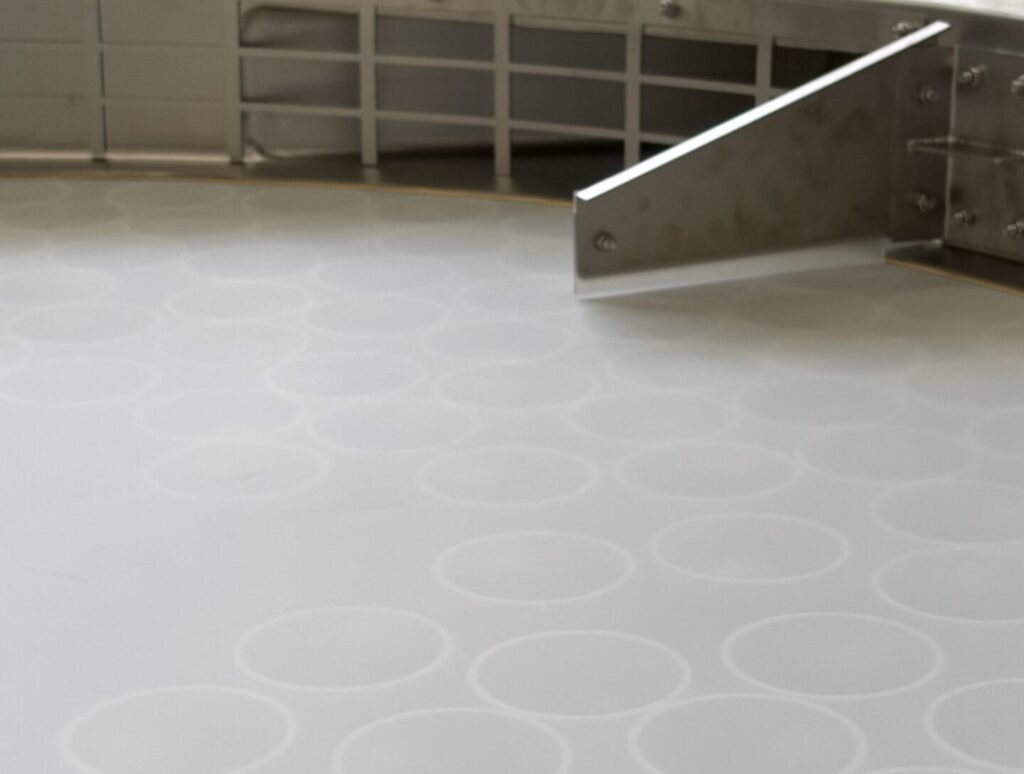
The same occurs with non-original support discs for the cleaning system: different weight, tightening and geometry alter the dynamic balance of the frame. When the cleaning system is not compatible from a dynamic standpoint, it adds unforeseen forces and moments that stress the structural components of the sieve.
Clamping areas
Contrary to what one might think, it is not surface wear that causes the breakage of clamping areas (outside the structural components of the sieve), but the use of non-original components that alter the intended thicknesses and make it difficult, if not impossible, to fully tighten the components in a pack, which is essential for correct transmission of vibrations.
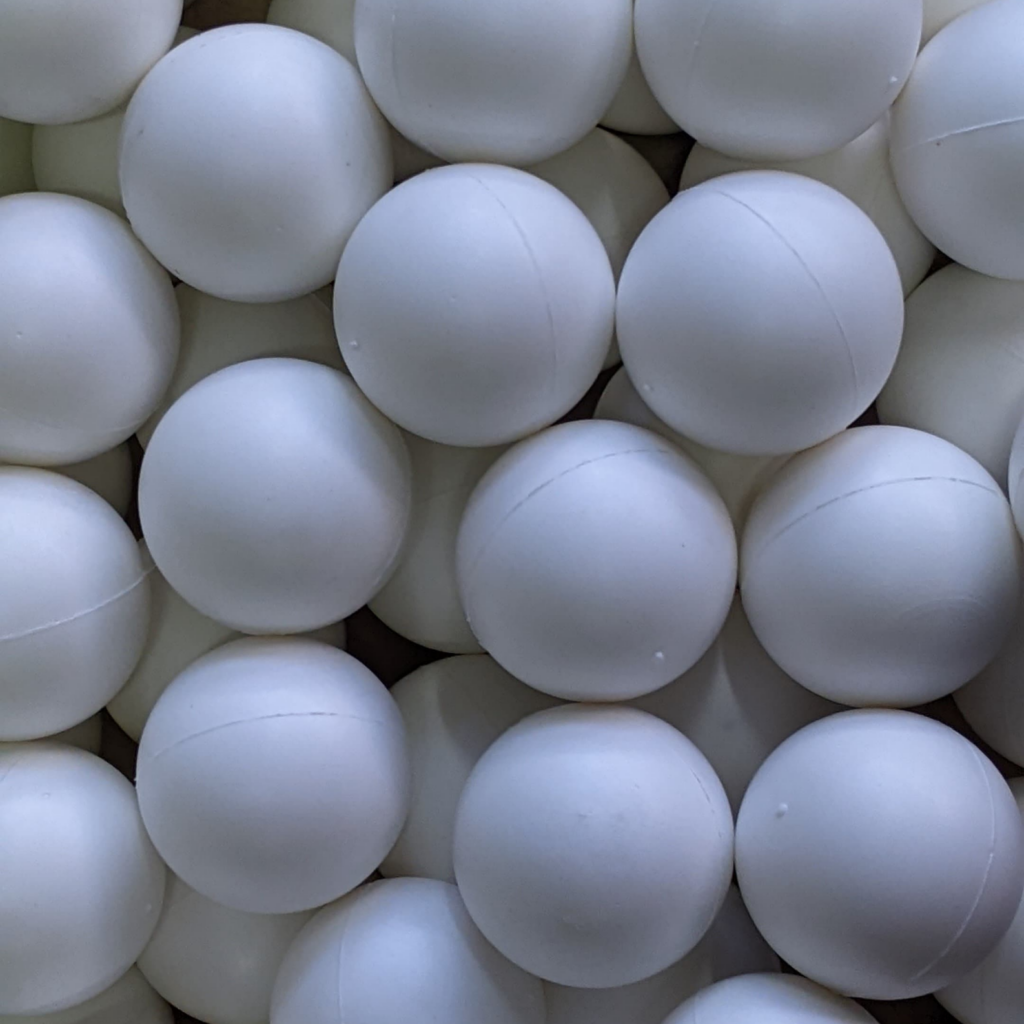
Frames, cleaning balls and covers
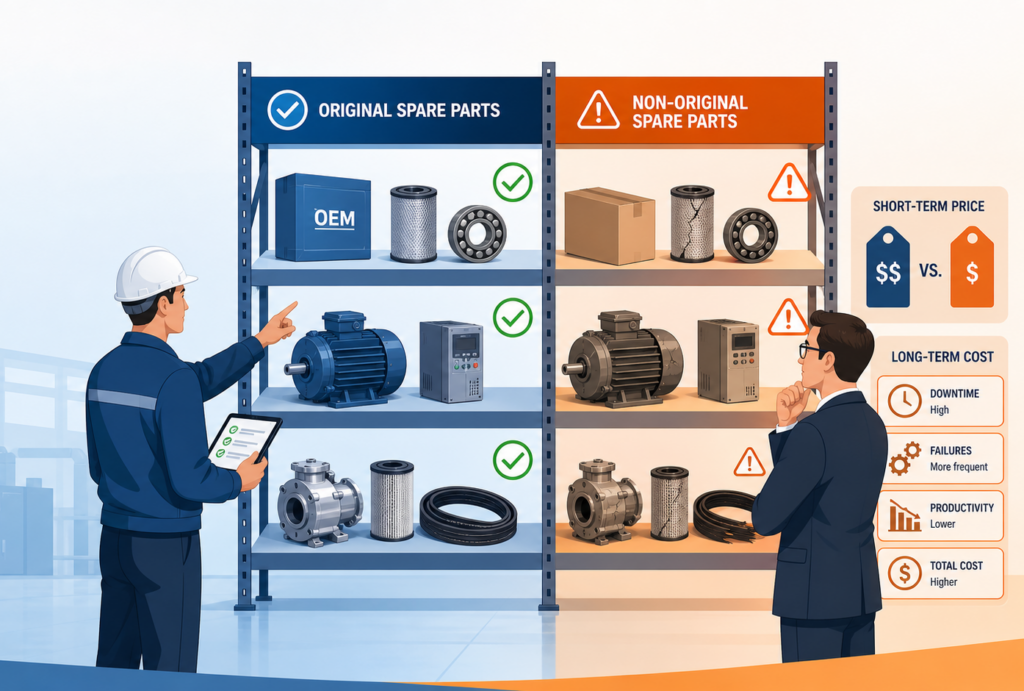
In all these cases, the compatible spare part works fine… as long as you judge it only by its dimensions. Functionally, however, it is a completely different story. And it always leads to trouble.
Why We Decided to Set a Limit
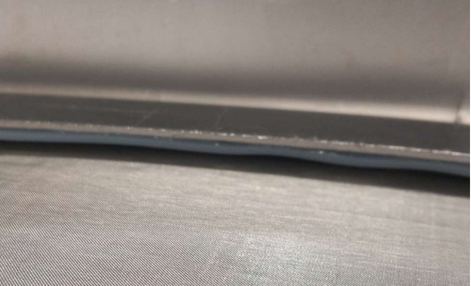
This is where our decision comes from: to stop managing structural parts of the sieve as simple stock codes and instead treat them as elements to be evaluated within the application context.
When a user asks us for a structural spare part, we now always start a brief technical analysis:
In cases where irregularities in machine management emerge, the damaged part is only the consequence of an upstream problem: incorrect support, inadequate sealing, a non-compliant cleaning system, insufficient maintenance.
Intervening only with a new component would mean postponing the problem by a few months instead of eliminating it. For us, this is not acceptable: neither for the image of our sieves nor for the reliability of our customers’ plants.
From selling parts to technical collaboration
This approach has a positive side effect: it allows us to open a different kind of dialogue with those who use our sieves.
Instead of simply processing an order, we can:
The message is simple: we do not just sell spare parts.
We want to be your partner in managing your screening process, supporting you with the information your operators need to work correctly and eliminate unnecessary waste of time and money.
Original, Compatible or Functional?
The real focus is actual functionality with respect to the expected behaviour of the sieve, which only an original spare part from the Manufacturer can provide. Our components are designed and tested as part of an integrated vibrational system: weights, elasticity, rigidity and geometries are not secondary or random details, but fundamental elements of the design.
In Practice: What Changes for Our Customers
For those who work daily with our vibro-sieves, this approach means:
In other words: a few more questions at the beginning, many fewer problems in the medium term.