There is a scenario we have been seeing more and more often in recent years.
A request for a quotation comes in. The product? “Fine powder.” The throughput? “To be confirmed.” The goal? “Efficient separation.”
And that is where the conversation begins.
“What is the bulk density?”
“Not available.”
“The particle size distribution?”
“We don’t have it.”
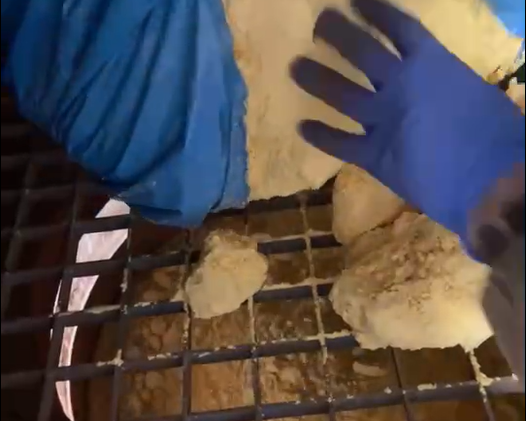
“Does the material tend to form lumps?”
“I’m not sure.”
This is not an isolated case. It has almost become the norm.
How It Used to Be — and Why It Worked Better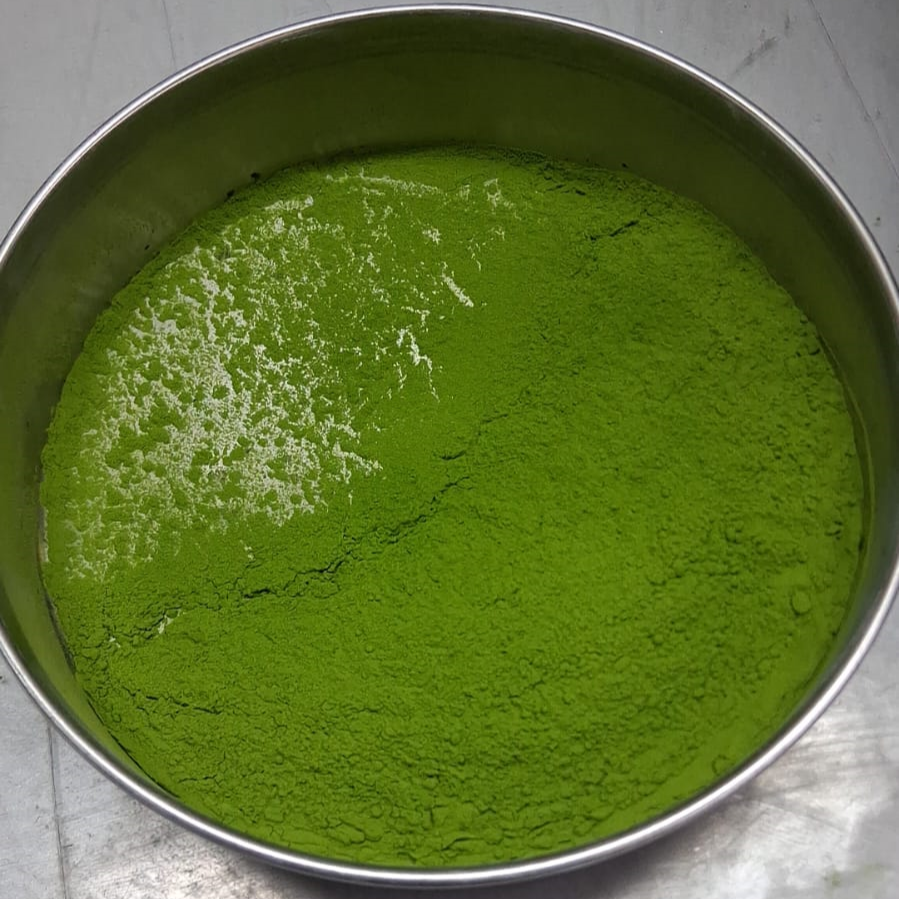
Go back about ten years, and the picture was different. Enquiries generally came with a clearly defined set of technical information. Not perfect, but enough to quickly put together a sound proposal.
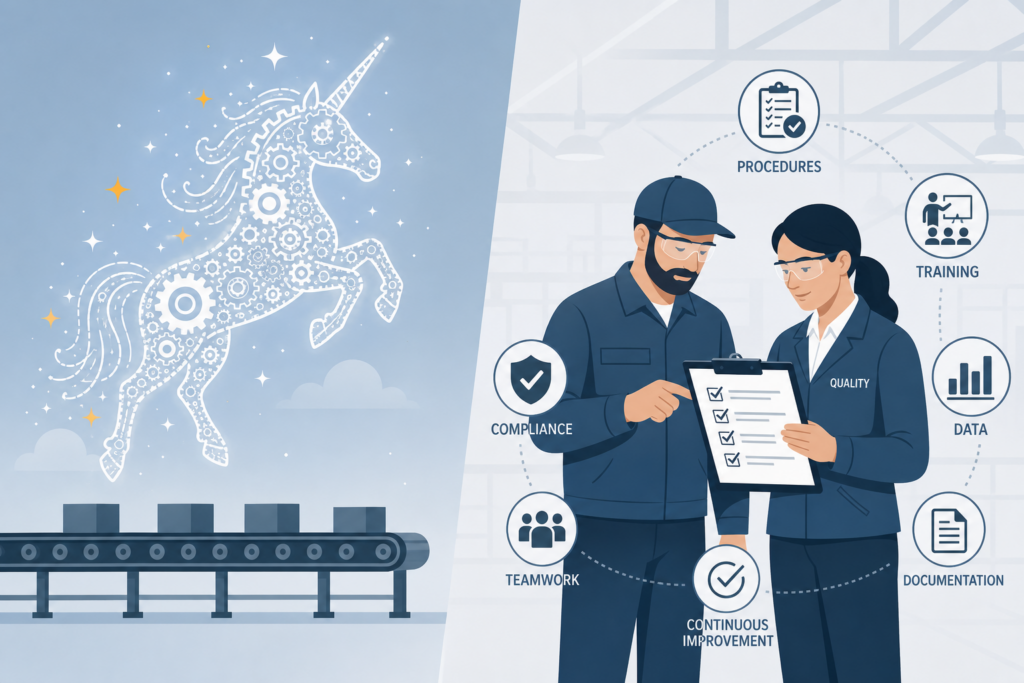
It was not just about having more complete data. It was about the approach: the process was understood, measured and documented.
And that made all the difference.
The Real Issue Is Not the Machine
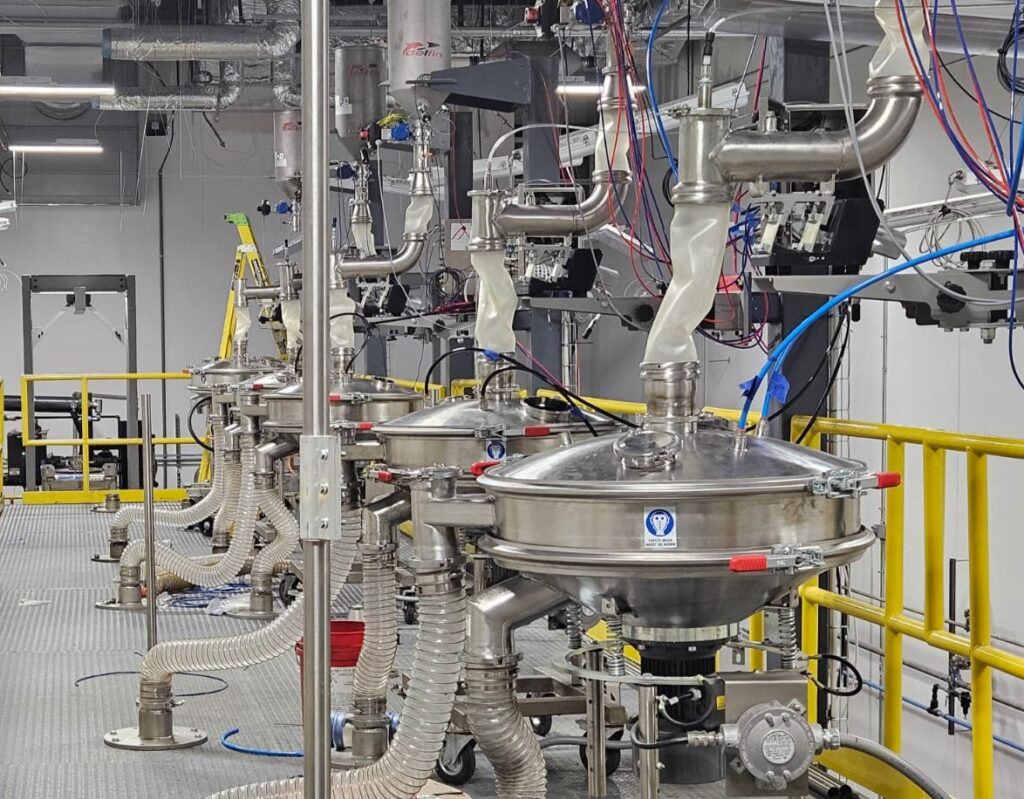
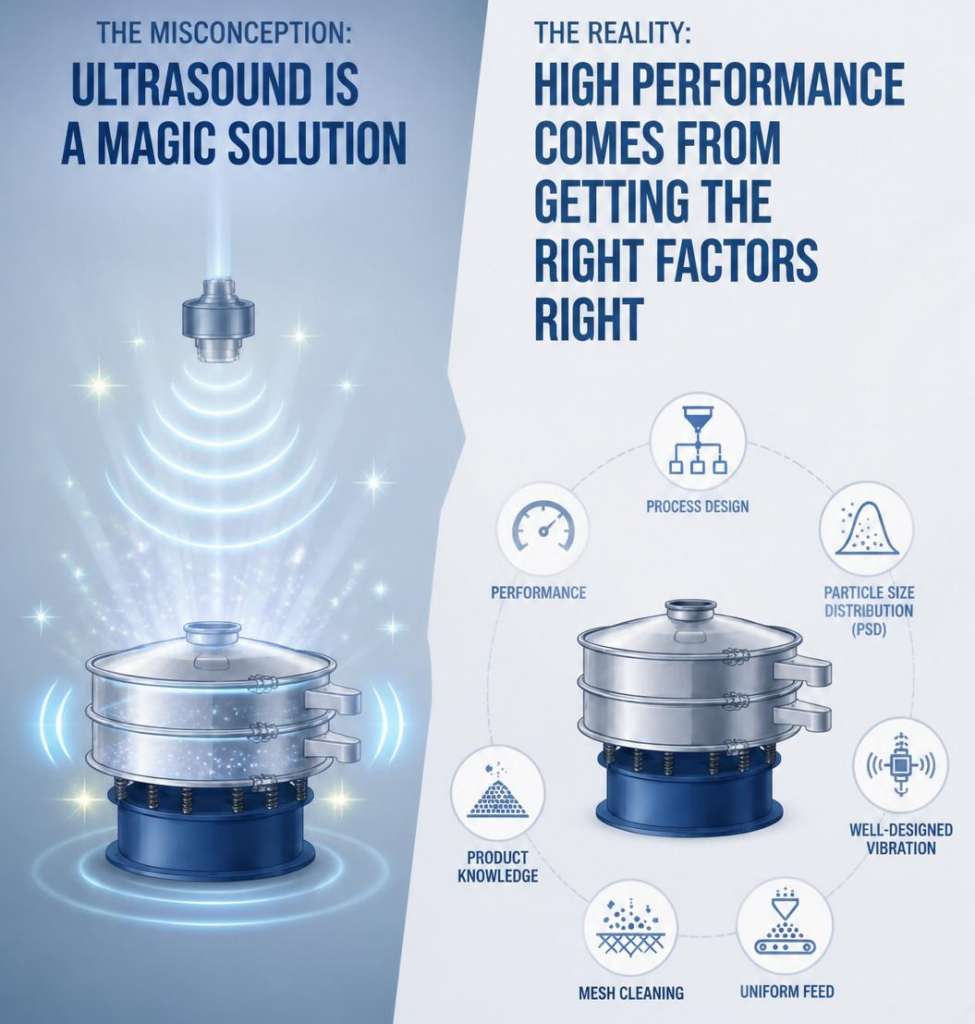
When data is missing, it is tempting to think that the challenge is choosing the right machine. In reality, the key is understanding what that machine needs to do, under which operating conditions and within what constraints.
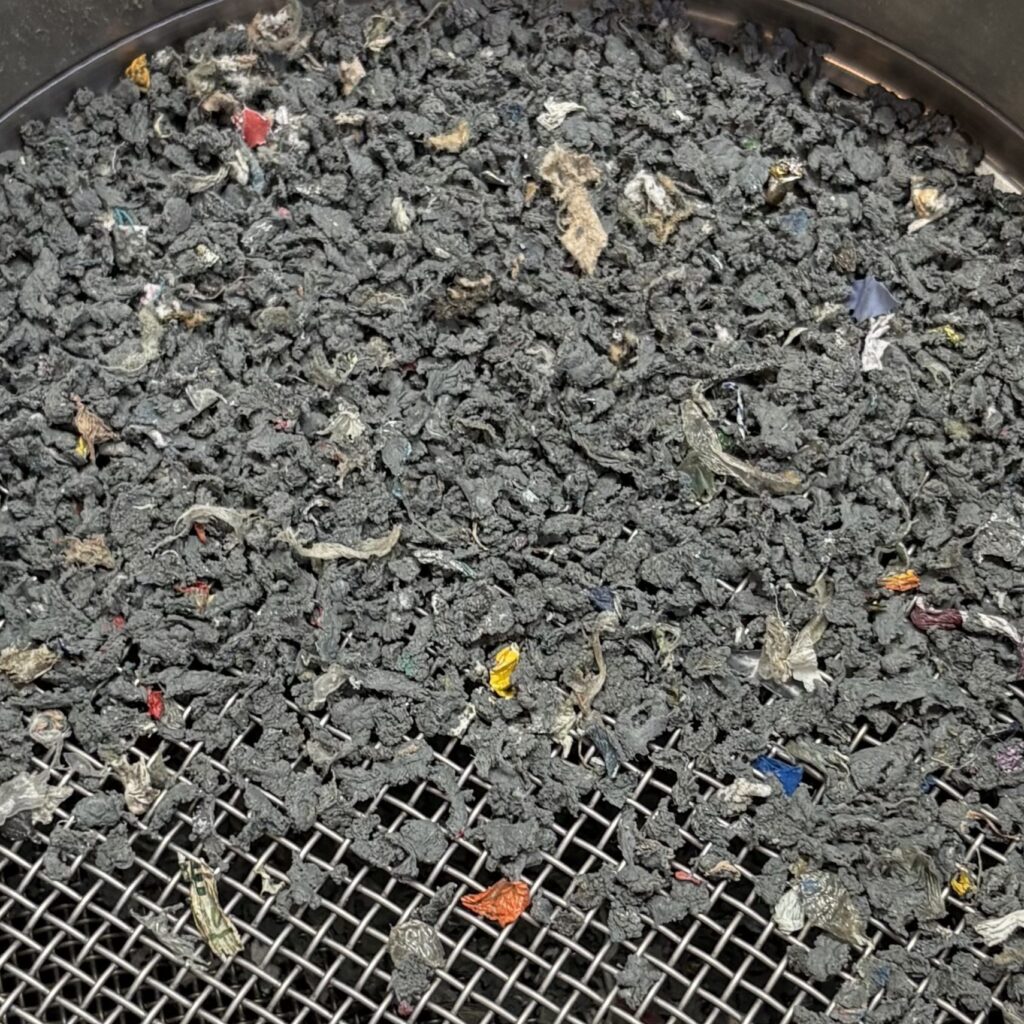
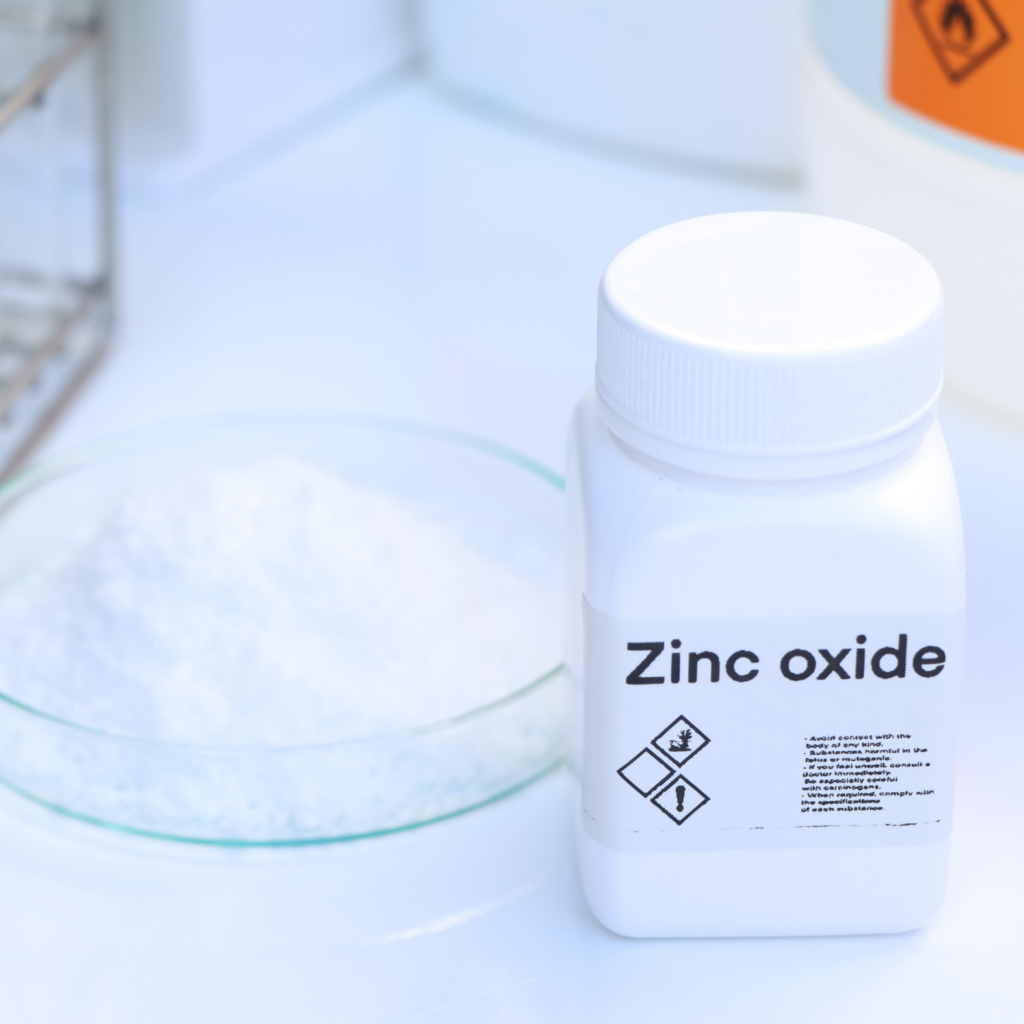
A powder may look “fine”, yet behave very differently depending on its:
Similarly, a liquid can behave very differently depending on its:
Without this information, decisions are based on assumptions. And in process engineering, assumptions always come at a cost.
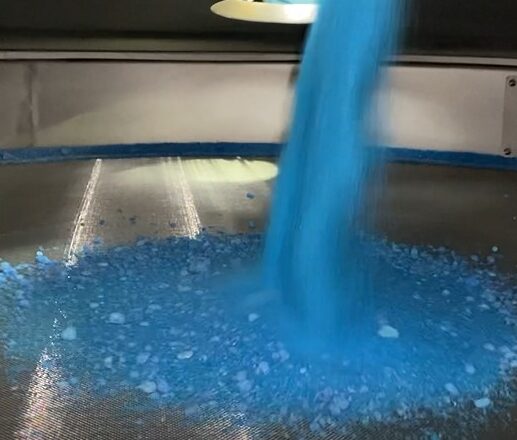 The Difference Between “It Works” and “It Works as It Should”
Imagine two scenarios.
In the first, the system is sized using incomplete data. It works, but not to its full potential. Yield is less than optimal, processing takes longer, and unforeseen issues emerge. Good product ends up being rejected — and that comes at a cost.
In the second, the customer knows their product. They know the actual throughput, have a clear picture of the particle size distribution and understand the critical points in the process.
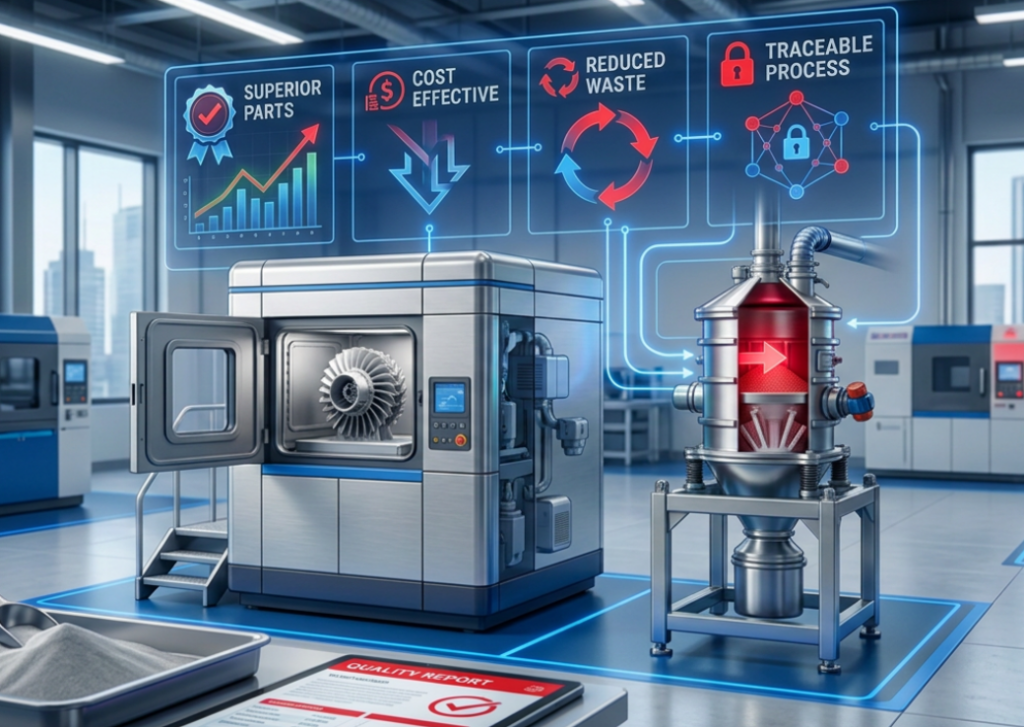
In this case, the design is on the right track from the start. Equipment choices are tailored to the application. The result is not just a system that works, but one that meets expectations precisely. Its efficiency becomes a source of savings — and potentially higher profits.
A Small Investment That Changes Everything
Gathering this data takes time. That is true. But it is time you quickly gain back.
It means:
Above all, it means being in control of your process.
The Right Question to Ask First
Perhaps the real question is not “Which screener do I need?” but:
“How well do I really know the material I am processing?”
Because everything else starts there.
And every additional piece of data collected today is one less problem to solve tomorrow.