The right screening solution needs to meet your process requirements—and come with a clear understanding of the technical support available after delivery.
Purchase price matters. But before selecting an industrial screen, it is worth asking what the proposal includes, how the equipment has been matched to your application and who will help if performance falls short of expectations.
A lower price does not, by itself, mean that a machine is unsuitable. Equally, a higher price does not automatically guarantee better performance or service.
A meaningful comparison requires more than two quotations. It requires a clear view of the application, the conditions behind the expected performance and the support available throughout the equipment’s operating life.
When installed equipment does not deliver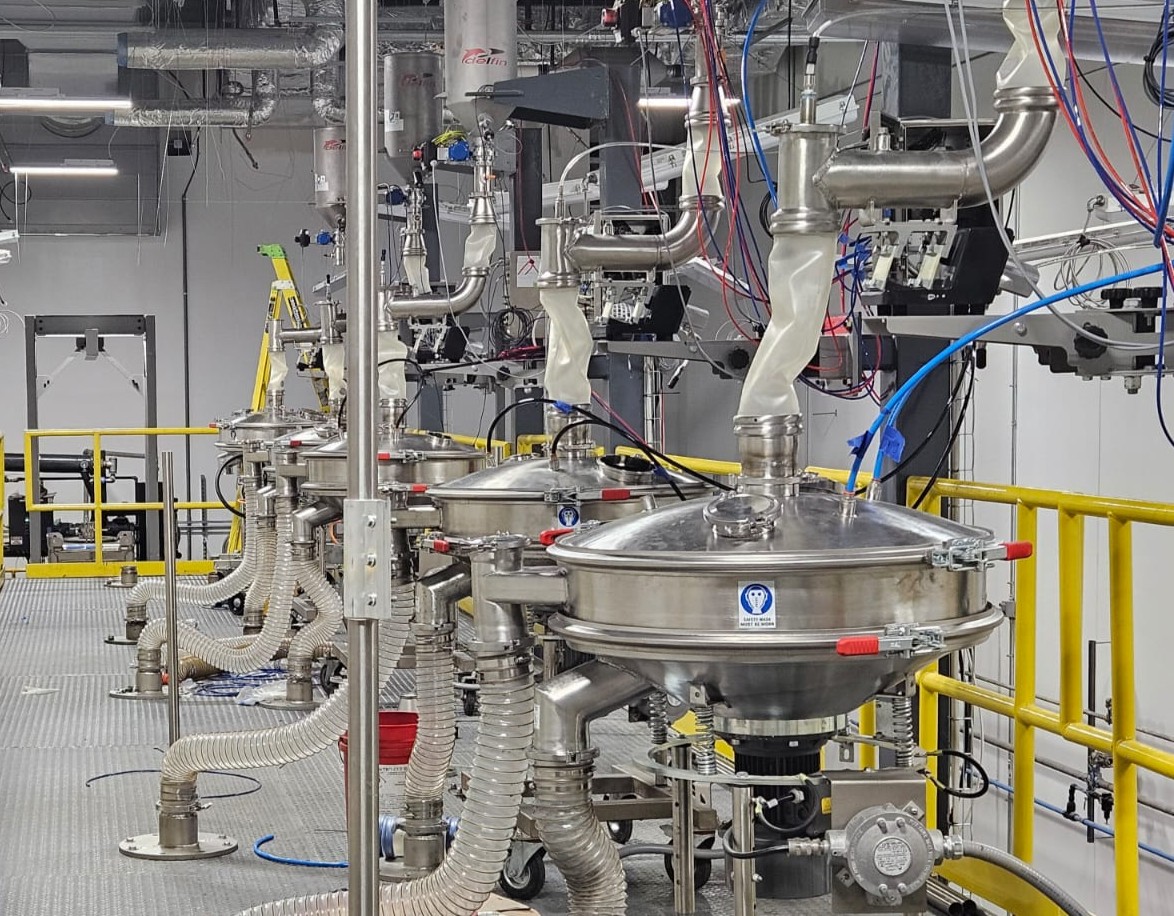
At MLT Cuccolini, we are sometimes approached by companies whose existing screens are not achieving the expected results or are experiencing recurring failures. The equipment may have been purchased directly or supplied as part of a complete processing plant.
In these situations, purchase price alone cannot explain the problem. The assessment needs to consider whether the technology and configuration suit the application, how the machine is operating and which aspects require investigation.
For the customer, the challenge becomes greater when there is no clear route to technical assistance. Identifying that performance is unsatisfactory is only the first step. The next is understanding why—and determining what can be done.
That is why the availability and scope of after-sales support should be discussed before an order is placed, not only when a problem occurs.
Establish the application before comparing equipment
Before comparing prices, check whether the proposals address the same requirements.
What separation result is needed? Which material will be processed? How will the screen be fed? What operating conditions have been considered? Which assumptions still need to be verified?
An application assessment connects the proposed equipment with the work it is expected to perform. It also helps establish the conditions on which performance expectations are based.
Without that information, quotations may appear comparable while representing substantially different solutions.
The question is therefore not simply “Which screen costs less?” but “What has each supplier assessed, proposed and included?”
Make after-sales support part of the specification
After-sales support is not limited to supplying replacement parts.
When a screening problem occurs, the investigation may require a review of the operating conditions, machine setup and application requirements. The customer needs to know who can guide those checks and help identify appropriate next steps.
Before purchasing, ask the supplier:
The aim is not to assume that every service should be included in the purchase price. It is to make the scope clear enough to assess what you are buying and what additional support you may need.
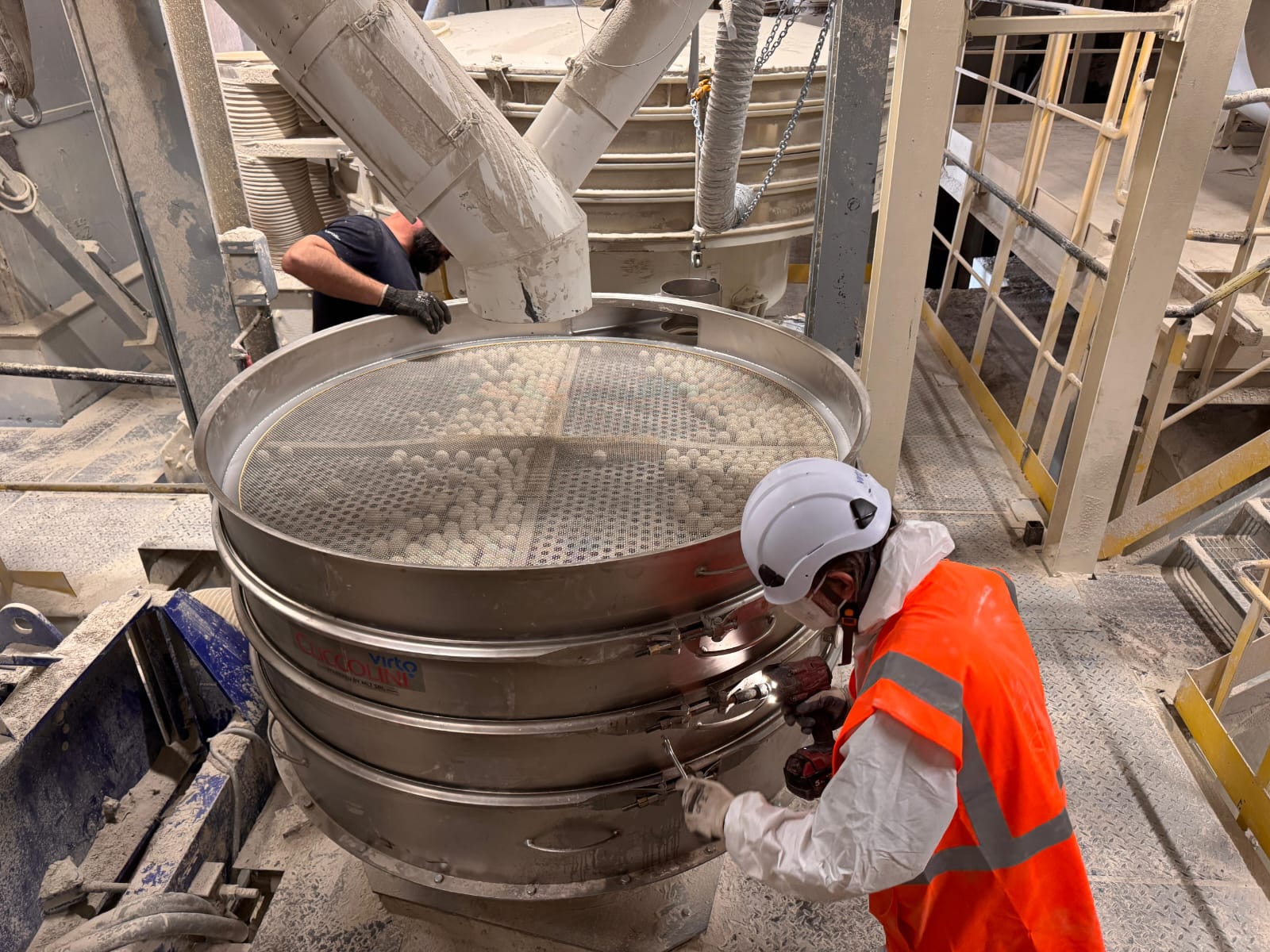 How MLT Cuccolini’s Aftermarket Division supports our customers
For MLT Cuccolini screens, our Aftermarket Division provides technical assistance to help identify the source of a problem and assess the available solutions.
This can involve reviewing both the machine and the conditions in which screening takes place. The objective is to help the customer operate the equipment correctly over time, with application advice where needed.
The support relationship therefore extends beyond the equipment itself. It provides a technical point of contact when operating difficulties arise or the application needs further assessment.
The scope, availability and commercial terms of assistance should be confirmed for the relevant supply or service request.
If your current screen is from another manufacturer
Where a customer is experiencing difficulties with another manufacturer’s screen, our Aftermarket Division can assess the application and consider whether a MLT Cuccolini solution would be more appropriate.
This is different from providing maintenance or repair services for that machine. The focus is on reassessing the separation requirement, understanding the operating context and evaluating a potential alternative.
The starting point is not an assumption about why the existing equipment has failed to meet expectations. It is a clear definition of the result the customer needs to achieve.
Consider the operational consequences—not just the initial saving
The purchase price is visible before the order is placed. The consequences of an unsuitable solution may only become apparent during production.
If the required separation is not achieved, or the equipment needs frequent intervention, the customer must assess the effect on production continuity, maintenance activity and the time spent investigating problems.
These outcomes should not be inferred from price alone. Instead, they should inform the questions asked during equipment selection:
The objective is not to choose the most expensive machine. It is to understand the relationship between the proposed equipment, the expected result and the support arrangements.
Clarify responsibilities when the screen is part of a complete plant
If a screen is supplied through a plant builder or system integrator, establish the support route before commissioning.
Who should the end user contact? When will the screen manufacturer be involved? How will application and operating information be shared?
Clear responsibilities help the parties coordinate if a difficulty arises during start-up or production. They also reduce uncertainty about how a technical issue should be escalated.
Three questions to answer before placing an order
A sound purchasing decision should establish that:
At MLT Cuccolini, we see application assessment and after-sales support as connected parts of the customer relationship. Selecting a screen is not only about taking delivery of a machine. It is about choosing equipment suited to the task, with a clear technical point of contact when assistance is needed.