
GRASS FERTILIZER CLASSIFICATION
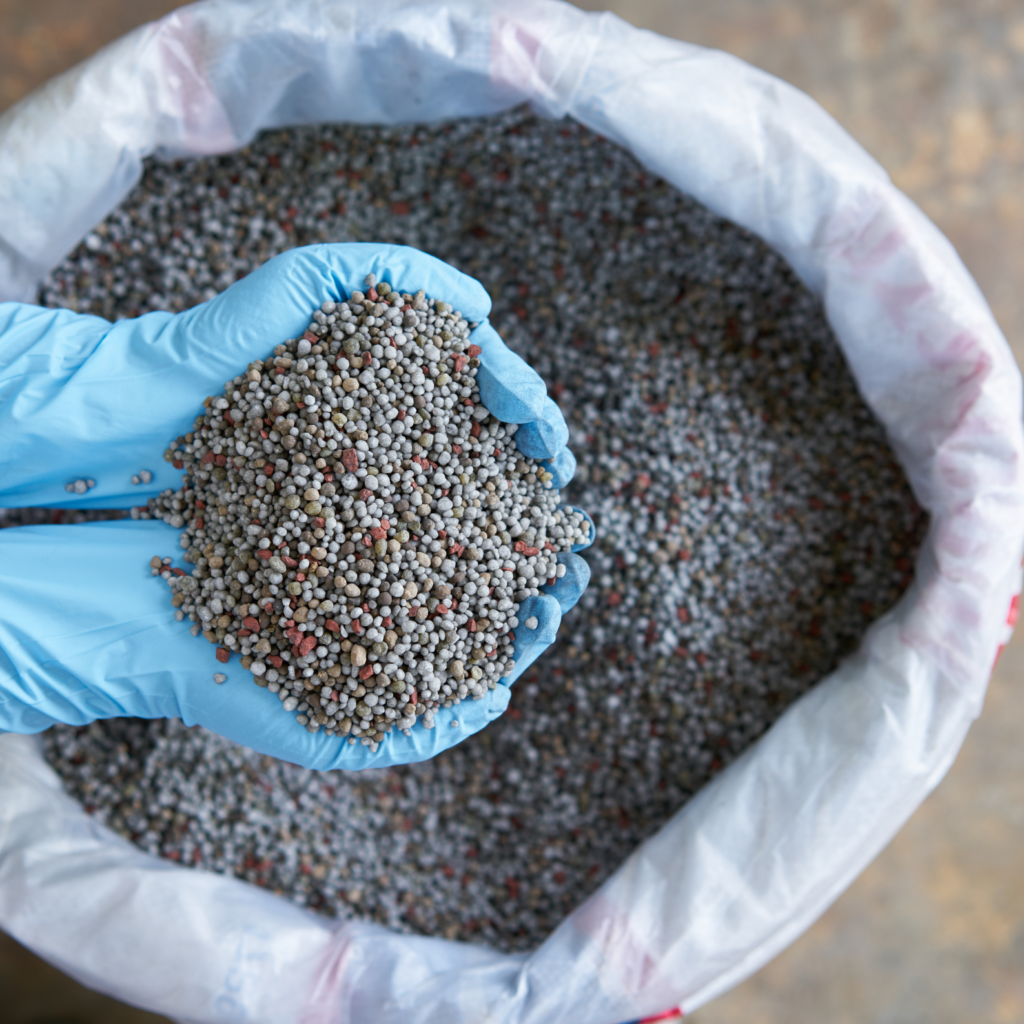
Grass fertilizers are typically produced as fine granules or prills designed to be applied with mechanical spreaders. If the product contains too many oversize particles, dust, or agglomerates, the spread pattern can become uneven, leading to stripes, local overdosing, or under-fertilized areas on the turf. Consistent particle size distribution is therefore a key factor for […]
SPIRULINA BIOMASS SEPARATION FOR NON-FOOD APPLICATIONS

Spirulina biomass for non-food applications is increasingly used in renewable energy production, aquaculture feed, and industrial biotechnology. These applications do not require the same level of cellular integrity, fine particle retention, or hygiene standards as food or pharmaceutical products, allowing for faster, coarser separation processes that prioritize throughput and cost efficiency. Vibrating sieving using 50–80 […]
How do vibrations act on the material to be screened?
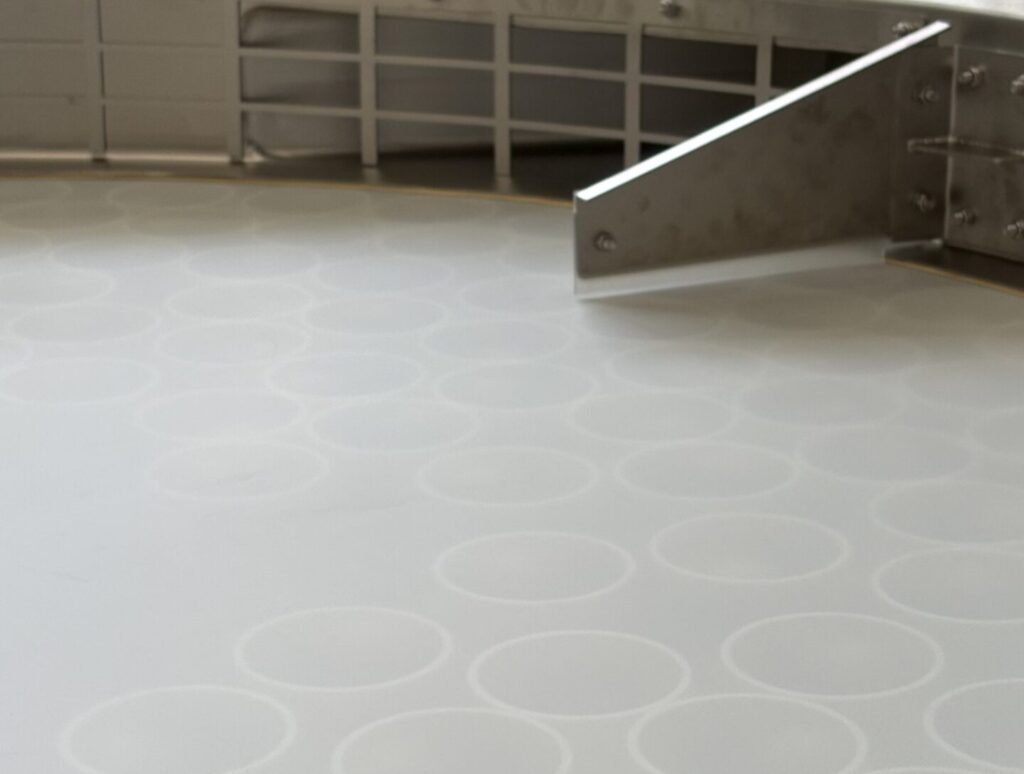
Many different types of circular vibrating screens are available on the market. You can find units with two opposing motors, with a vertical motor installed underneath the base of the screen, or with a single side motor. Why such variety? Each of these vibrator configurations generates a different type of vibration, and should be selected […]
From Agricultural Sieves to Industrial Vibrating Sieves: Where Vibration Meets Engineering

Every industrial vibrating sieve has a history that began thousands of years ago. A few millennia ago, as humankind was learning the first rudimentary processes to build, farm and cook, we invented one of our oldest separation tools: the sieve. A circular tool—sometimes little more than a woven basket made of plant fibres, animal bristles […]