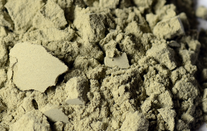
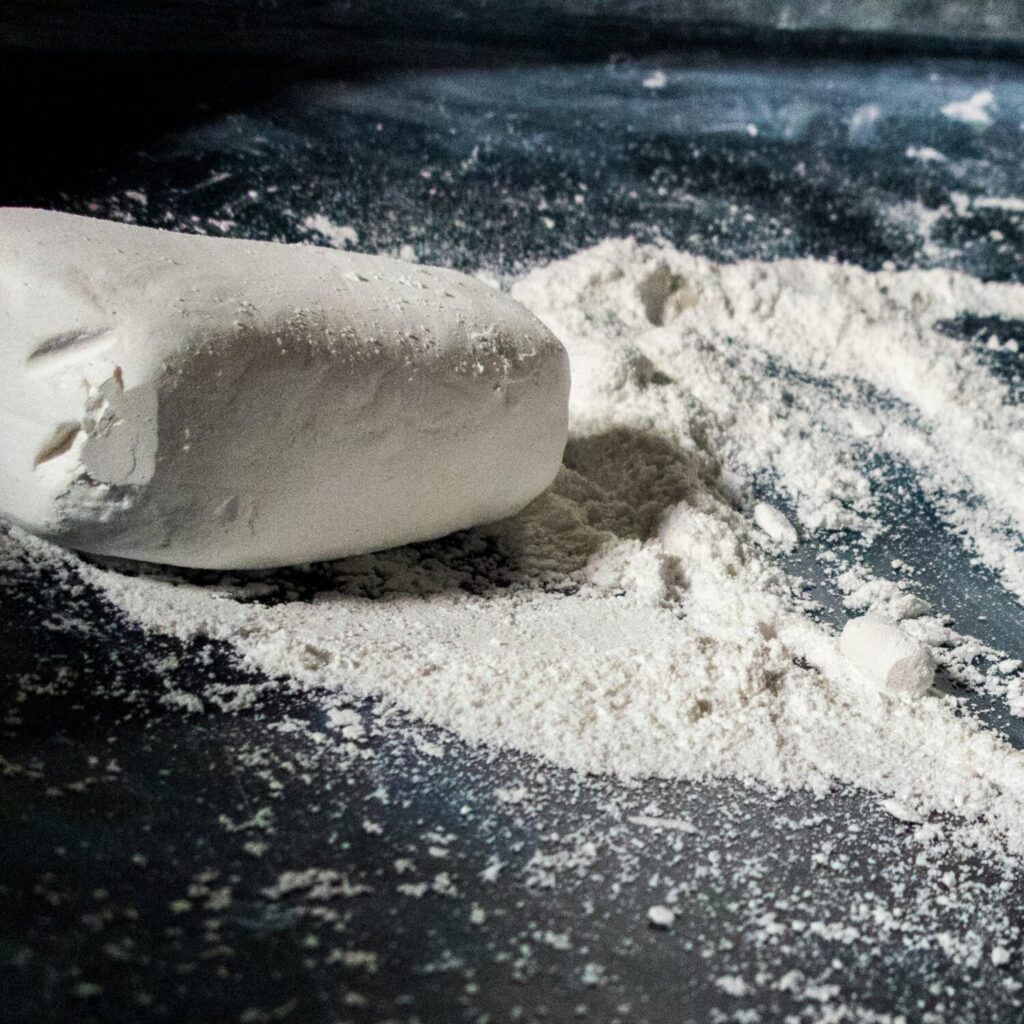
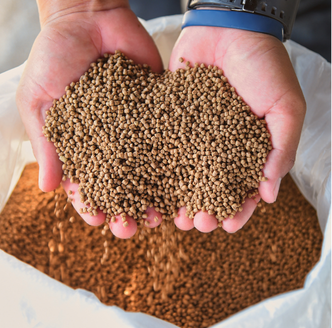
Calcium carbonate can enter the process as coarse aggregates, fine powders, or intermediate grades, each with different apparent density and flow behaviour. The incoming granulometry determines how the product behaves on the mesh: coarse and dense fractions move differently from light and fine grades, and this must be considered when defining the sieving strategy. Safety sieving targets the removal of foreign bodies, agglomerates, and oversize particles, while classification builds controlled granulometric ranges for specific end uses.
Vibrating sieving is particularly suitable for calcium carbonate because it can be adapted to a wide range of particle sizes and bulk densities, from coarse mineral grades to fine powders down to around 20–30 µm. Key contextual factors include the installation point (under silos, at sack tip stations, in milling lines, or downstream of classifiers), the required throughput, and the target mesh size. Especially for fine classification, accurate testing on representative samples is essential to define the correct configuration and to ensure that the chosen solution matches the real behaviour of the product.
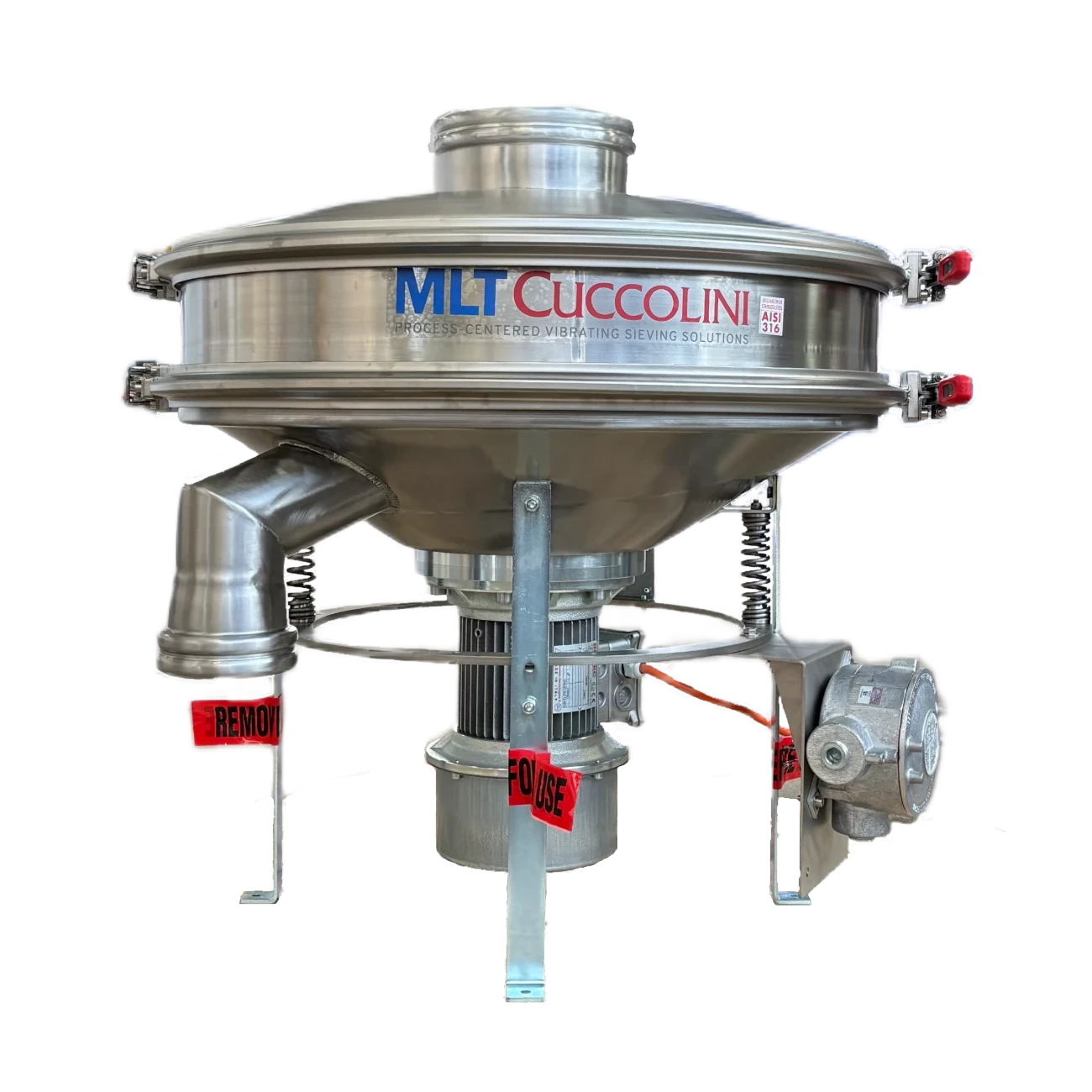
For coarse to medium grades and when the main need is safety sieving, MLT Cuccolini VP2 circular vibrating sieves offer an effective solution. Typically installed under silos, big-bag dischargers, or feeding points to mixers and reactors, they intercept oversize fractions and foreign bodies without significantly affecting throughput. Their calibrated vibration and compact design make them suitable for gravity-fed circuits where robust control and easy integration are required.
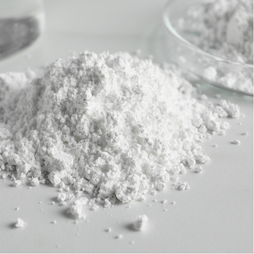
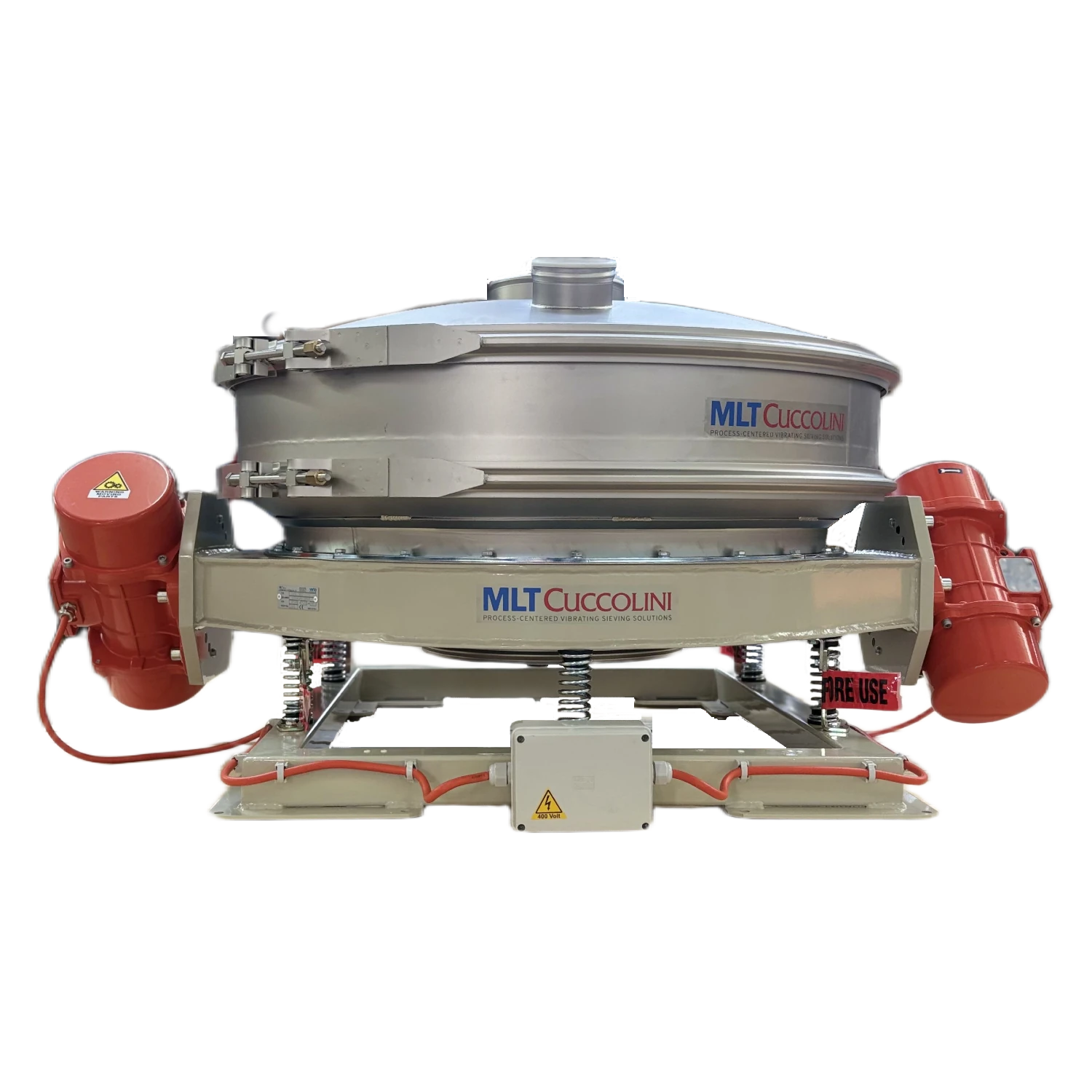
When both safety sieving and multi-fraction classification are needed on powders and finer products, VPB/M circular vibrating sieves provide additional flexibility. Installed along milling lines or in dedicated classification circuits, they can be equipped with multiple decks to separate oversize product, on-spec fractions, and fines in a single pass. By adjusting mesh sizes and vibration parameters, VPB/M machines can be tuned to match different calcium carbonate grades and application targets.
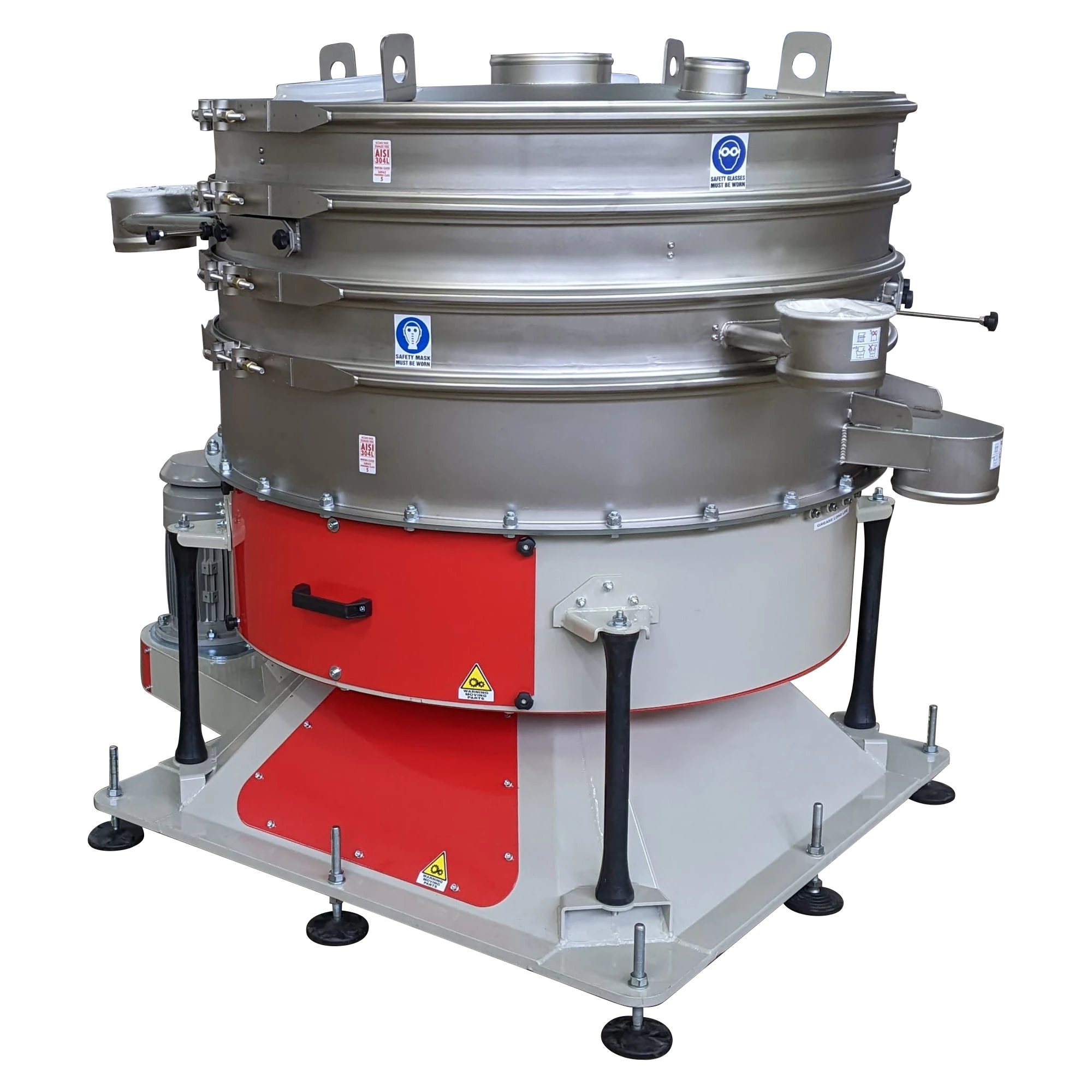
For applications requiring a higher number of fractions, VTU nutation sieves offer a gentle yet precise alternative. Their tumbling motion promotes efficient stratification and fine separation, making them suitable for multi-fraction classification of calcium carbonate where up to five granulometric bands may be required. VTU units are typically installed downstream of grinding or classification stages, where they refine the PSD to match specific technical specifications.
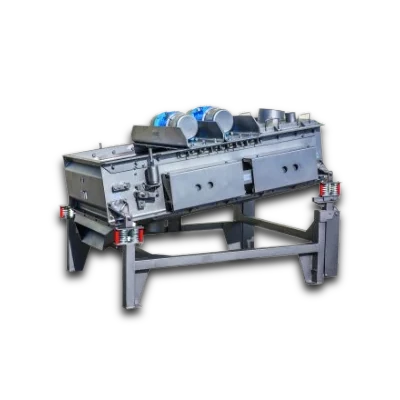
When high capacities and a stable particle size distribution are essential — especially in fine ranges from 0.3 mm down to 20–30 µm — X-Line rectangular sieves can be integrated into the process. Their multifrequency excitation and large screening surfaces support continuous operation with demanding fine powders, improving separation efficiency and reducing mesh blinding. These machines are particularly suited to plants where calcium carbonate is produced for high-value applications requiring consistent fines control and robust throughput.
Across all these solutions, features such as gentle handling, calibrated vibration, stainless steel execution where needed, and modular construction support ease of cleaning, long service life, and adaptation to different plant layouts. In all contexts, and especially when fine classification is involved, careful preliminary testing with the actual product is a key component of the project, allowing the configuration to be validated and optimised before full-scale installation.
Using MLT Cuccolini vibrating sieves for calcium carbonate safety sieving and classification ensures higher and more consistent product quality, with controlled particle size distribution and effective removal of contaminants and oversize fractions. The resulting stability in bulk density and flow behaviour protects downstream equipment, reduces unplanned downtime, and supports predictable process performance.
The availability of multiple technologies — VP2, VPB/M, VTU, and X-Line — gives plant designers and end users the flexibility to adapt solutions to different capacities, product grades, and layout constraints, supported by accurate testing and long-term experience with calcium carbonate in various industrial sectors.
Contact MLT Cuccolini to discuss your calcium carbonate process and work together on test-based selection of the most suitable vibrating sieving and classification configuration for your specific application.