
SPIRULINA HARVESTING FROM RACEWAY PONDS AND PHOTOBIOREACTORS
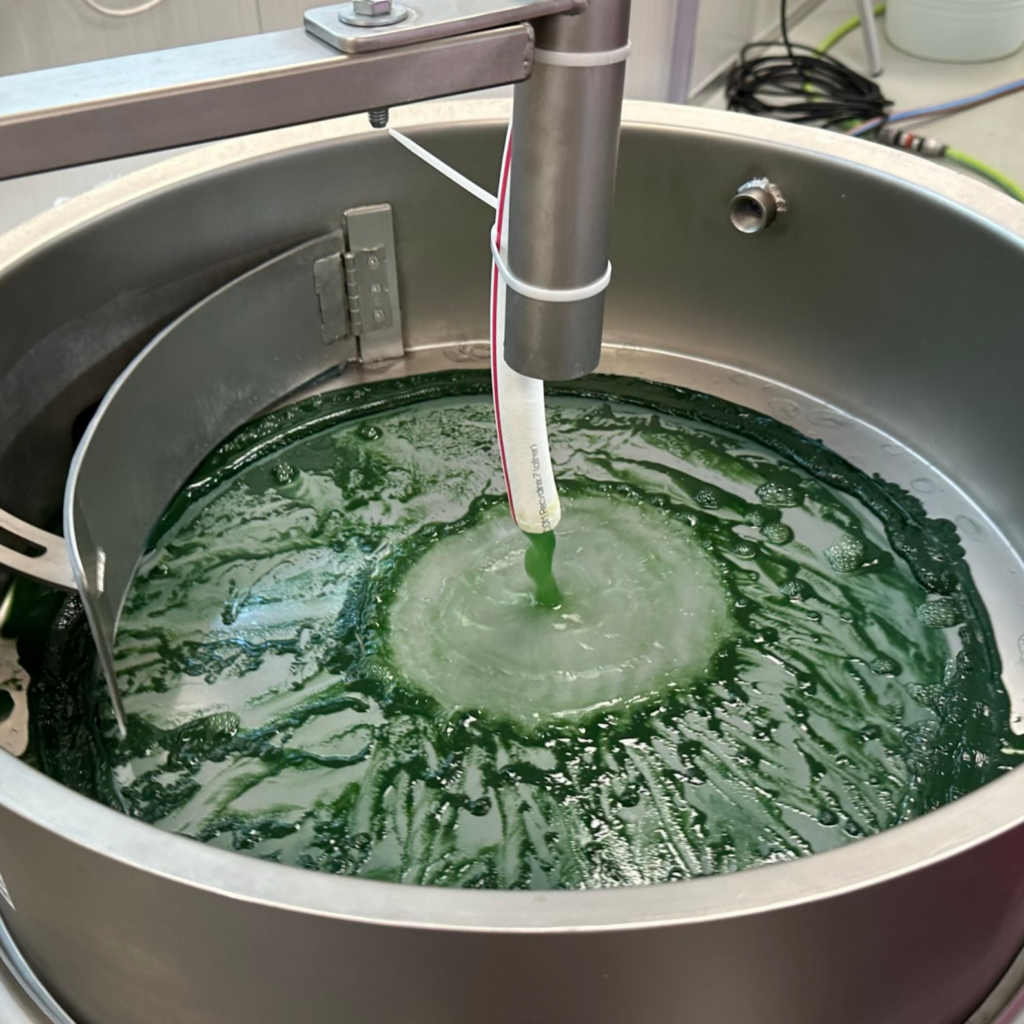
Spirulina harvesting is the first critical step in the transformation of live algal culture into a marketable product. The process separates suspended spirulina filaments from culture water, typically in the particle size range of 7–30 µm, while maintaining cellular integrity to preserve the nutritional and commercial value of the biomass. Contaminants to be removed include […]
RARE EARTHS EXTRACTION
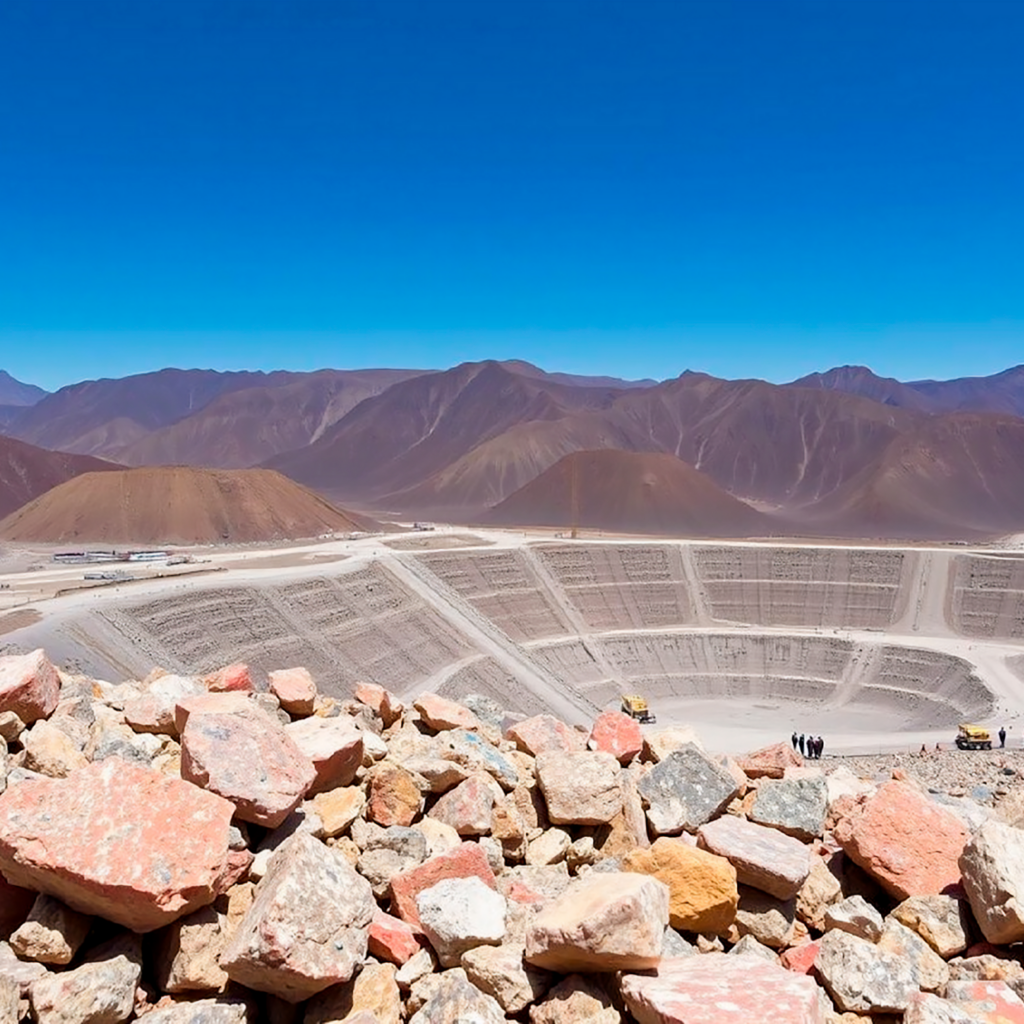
In quarry and open-pit operations, rare earth-containing ores are typically processed through crushing, screening, and further concentration steps before chemical or hydrometallurgical treatment. The raw material often includes a wide range of particle sizes and a mix of valuable minerals and gangue. Without effective classification, the feed to downstream equipment can become unstable, leading to […]
COAL FINES BENEFICIATION
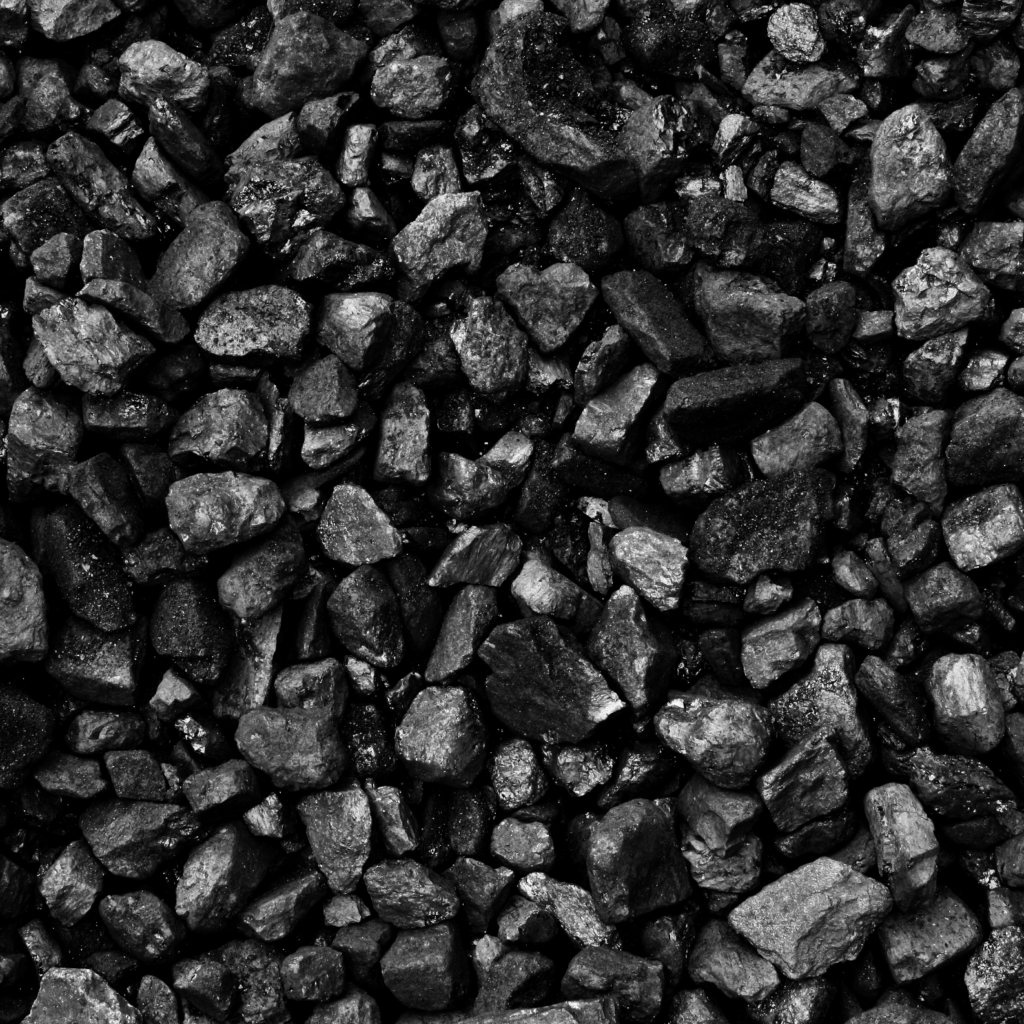
In remediation of former mining sites, mixed deposits often contain a combination of coal fines, mineral gangue, and soil-like materials. Without proper separation, these deposits represent both an environmental liability and a lost energy resource. By implementing a suitable beneficiation process, it is possible to recover a usable coal fraction while reducing the volume and […]
PRECIOUS METAL POWDERS RECOVERY
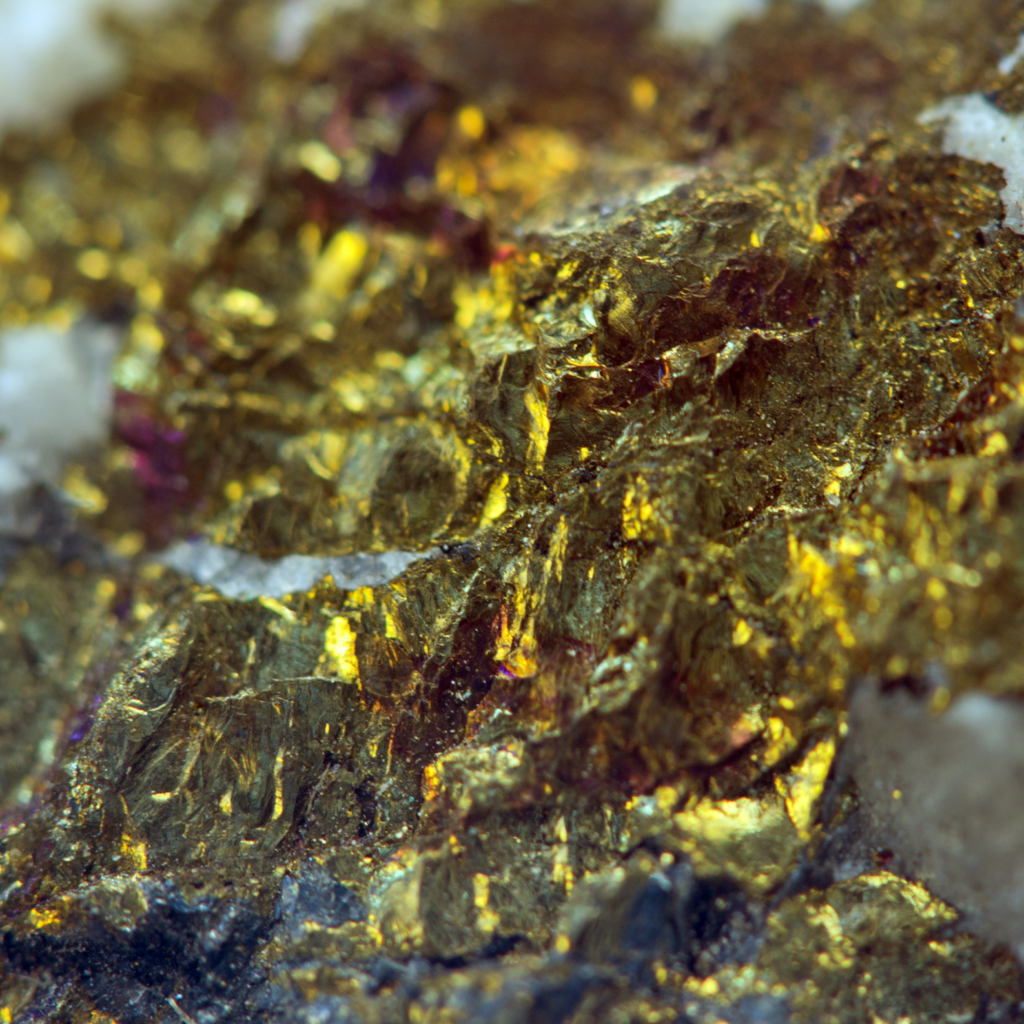
In processes where precious metals are recovered from fusion residues, milling of the solidified ashes generates a mixture of metallic particles and fine ash. Without proper separation, valuable metal fines may be lost in the dust fraction, and airborne ash can impair working conditions and complicate housekeeping. An integrated recovery system helps concentrate metallic particles […]
3D PRINTING METAL POWDER PRODUCTION
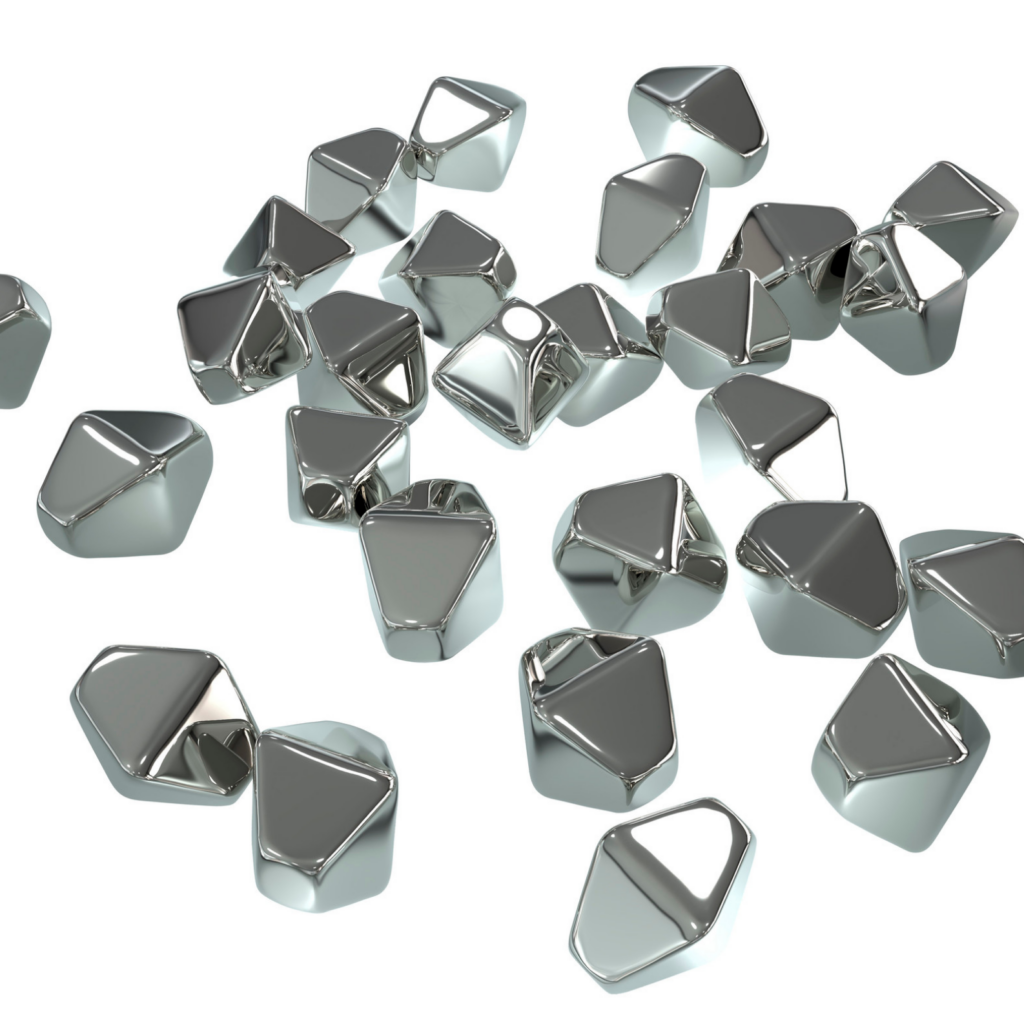
In gas atomisation processes, the resulting metal powder batch contains a wide particle size distribution, including coarse particles above the target range and ultra-fines that can negatively affect flowability and increase dust-related risks. The role of classification is to separate this raw atomised product into well-defined fractions, each corresponding to specific 3D printing or other […]
RESEARCH APPLICATIONS
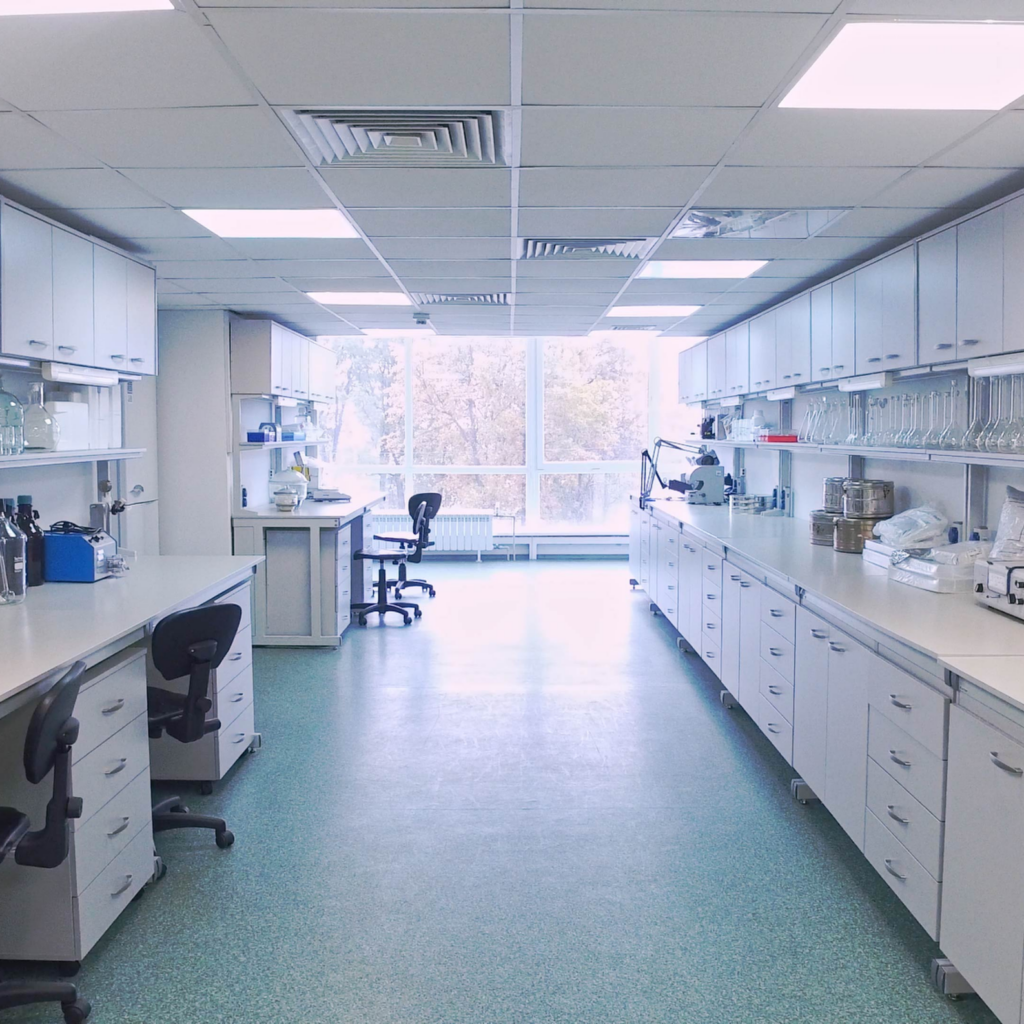
Research projects in fields such as microalgae cultivation, food fermentation, and metal powders frequently explore new processes, products, and operating windows. In these contexts, screening and filtration are not just routine operations but key variables in the experiment: mesh size, vibration pattern, and installation setup can all influence the results. Having access to the same […]
WHEAT STARCH FILTRATION

During flour and water mixing, incomplete dispersion and local overloading can generate lumps and agglomerates of starch and gluten, even when mixing parameters are well controlled. If these residues are not removed, they can lead to irregular flow behaviour, blockages in narrow sections, and defects in subsequent operations such as separation, concentration, or shaping. Primary […]
SALT AND HERBS MIX SAFETY SIEVING

In seasoning production for meat applications, safety sieving ensures that the salt and herbs mix meets the required granulometry while removing foreign bodies, agglomerates and unwanted oversize particles. This allows the producer to supply a free‑flowing mix that distributes evenly on the meat surface, with predictable flavour intensity and visual appearance. A stable sieving step […]
SPICES & FLAVOURS SAFETY SIEVING AND DEDUSTING

Spice handling processes typically combine safety sieving with particle size control and dedusting. For powder spices, safety sieving focuses on eliminating foreign bodies, agglomerates and oversized particles generated during grinding, conveying or storage. For whole or coarse spices such as peppercorns and similar granular products, classification and dedusting aim to deliver a uniform fraction free […]
DRIED HERBS CLASSIFICATION FOR TEAS AND INFUSION PRODUCTION

Herbal teas and infusion blends typically combine leaves, flowers, stems and other plant parts that have different sizes, shapes and densities; and can be grinded to fine particles. Sieving allows producers to separate these materials into defined fractions, remove dust and too‑fine particles, and eliminate oversized stems or foreign bodies. The result is a more […]