
Quality and Unicorns: Why Mesh Cleaning Balls Aren’t a Magic Fix

Today, a customer asked us if we can supply steel balls for mesh cleaning. A curious request – almost comic, from an industry insider’s point of view – that seemed born more from a moment of exasperation (and perhaps from an unchecked AI consultation?…) than from a real technical need. In fact, digging a little […]
SAND AND RUBBER RECOVERY FROM SYNTHETIC PLAYGROUNDS AND SPORTS FIELDS

are typically composed of several layers, including synthetic turf fibres, rubber or organic infill, and sand. During end-of-life processing, these materials are shredded or ground together, generating a heterogeneous mix with different particle sizes and densities. Without proper classification, these fractions remain mixed, limiting the potential for recycling and increasing disposal costs. The classification process […]
GRINDED WEEE MATERIALS CLASSIFICATION

After shredding, WEEE materials form a heterogeneous mix of metals, plastics, glass, and other components, all present as irregular particles across a wide size range. Without effective classification, this mixed stream challenges downstream sorting technologies such as density separation, magnetic separation, or optical sorting, leading to lower recovery yields and higher reprocessing costs. The classification […]
GRINDED PLASTIC CLASSIFICATION FROM NON-COMPLIANT MOULDED ITEMS
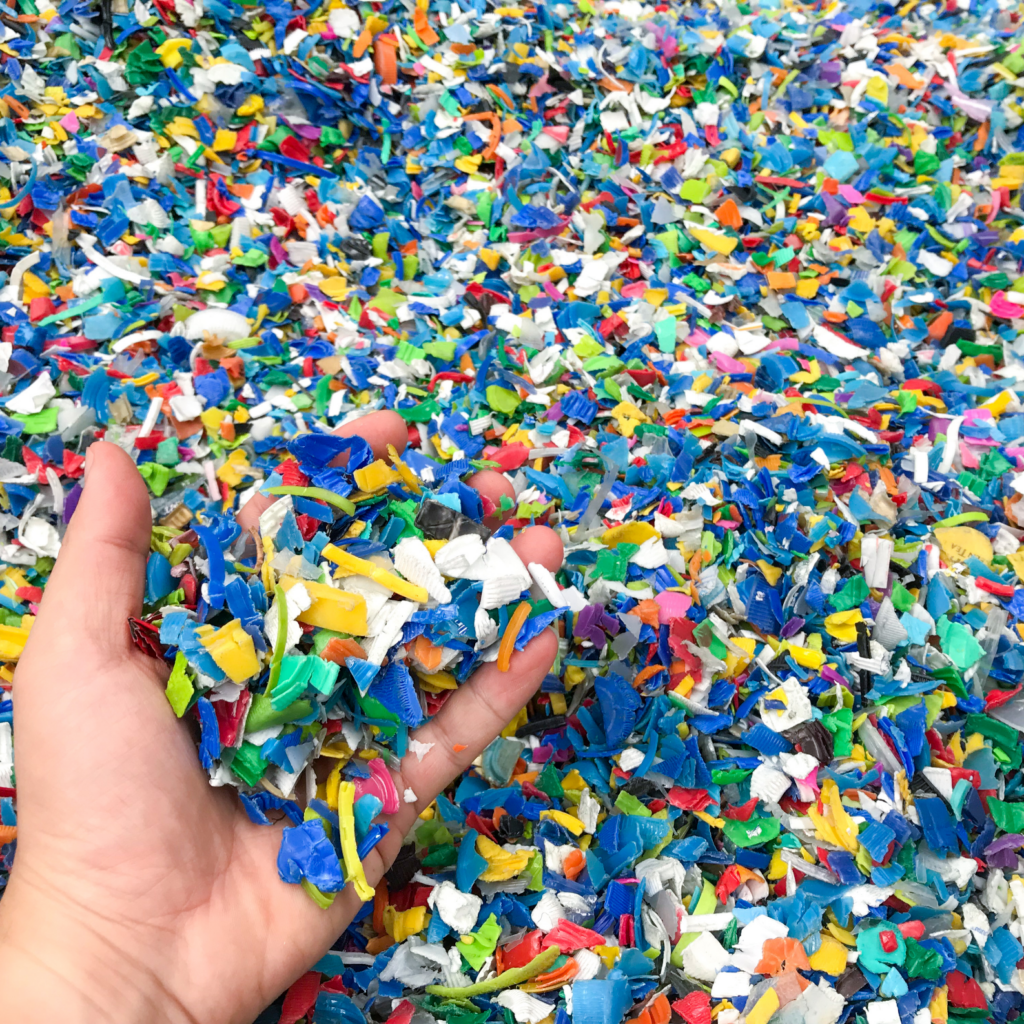
When moulded parts are rejected due to dimensional, visual, or functional defects, they represent both a cost and an opportunity. By grinding these non-compliant parts, processors obtain a heterogeneous regrind composed of granules, smaller chips, and fine particles. Without proper classification, this mix can compromise feeding behaviour, melt homogeneity, and the performance of glass-filled or […]
FINELY GROUND GLASS RECYCLING

Finely ground recycled glass is obtained after collection and preliminary treatments such as washing, metal removal, and coarse crushing. The subsequent grinding process generates a broad particle size distribution (PSD), ranging from coarse particles to fine powder, and may introduce agglomerates or residual contaminants. Without proper glass classification, the recycled material may not meet the […]
INDUSTRIAL LAUNDRIES PROCESS WATER RECOVERY
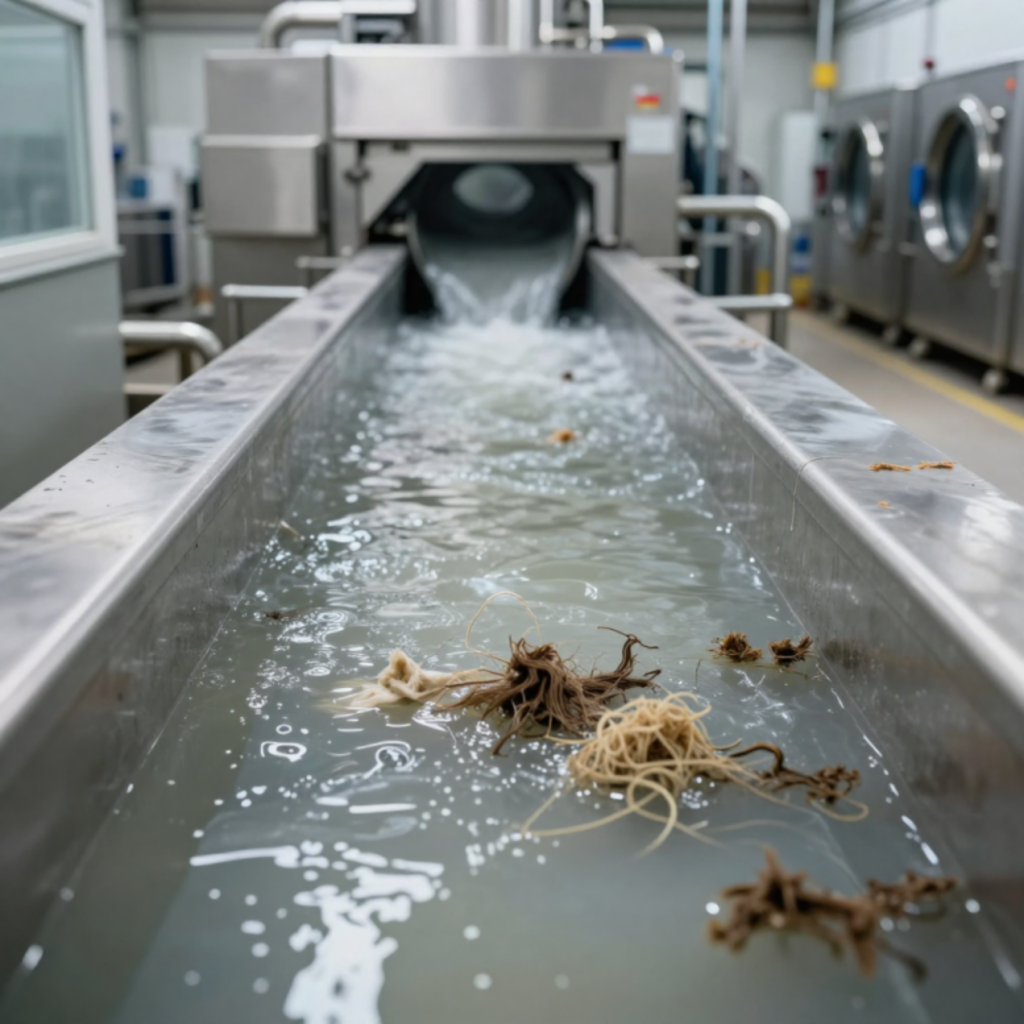
Industrial washing lines for garments, workwear, linens, and industrial wipes generate large volumes of wastewater containing a wide range of solid residues. These include fabric fibres, threads, buttons, zips, labels, and occasional foreign bodies coming from pockets or process incidents. Without adequate separation, these contaminants can clog pipes and filters, foul heat exchangers, and reduce […]
FRUIT PROCESSING WATER RECOVERY
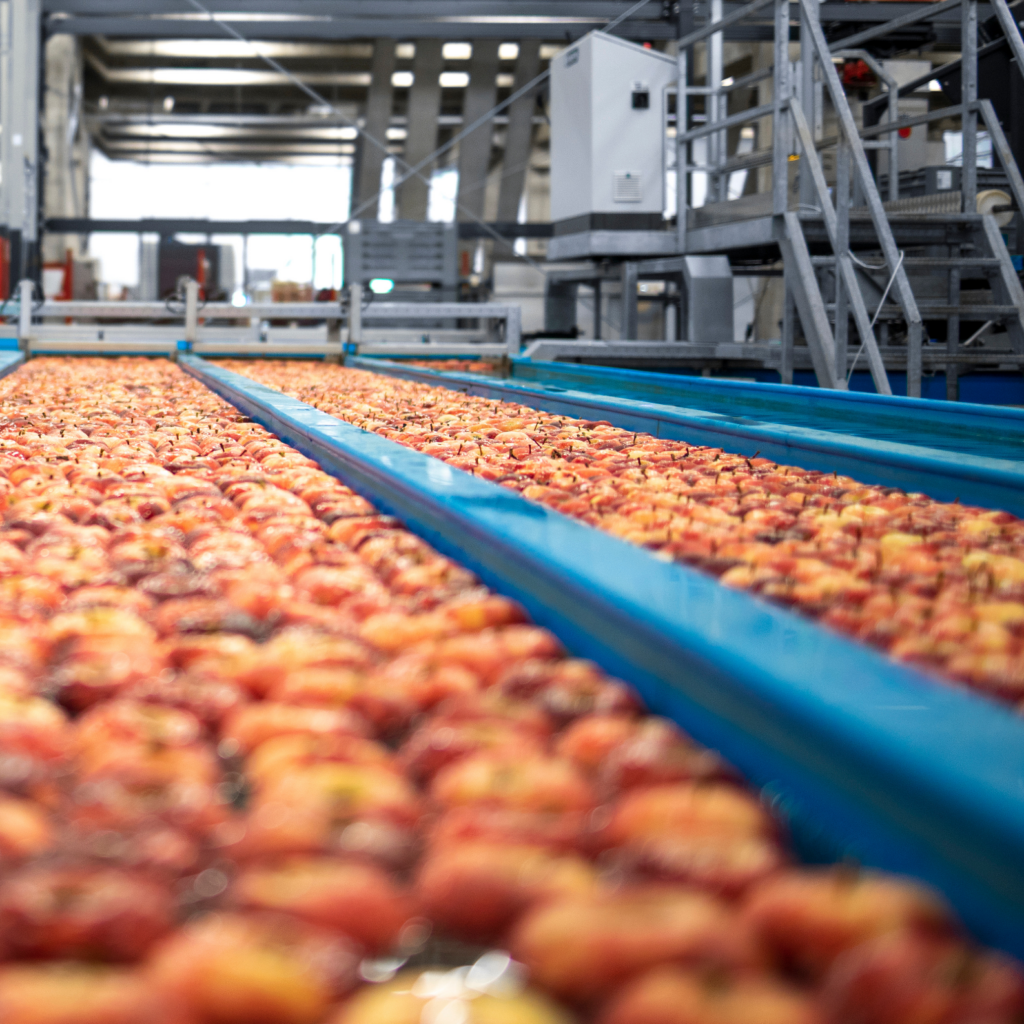
During peeling, coring, and cutting operations, apples are typically conveyed and handled using water channels that carry both product and processing residues. As the fruit is processed, peels, cores, seeds, and pulp fragments accumulate in the water, increasing the solid load and affecting both hygiene and hydraulic performance. Without adequate primary separation, these residues can […]
PLASTIC GRANULES SAFETY SIEVING
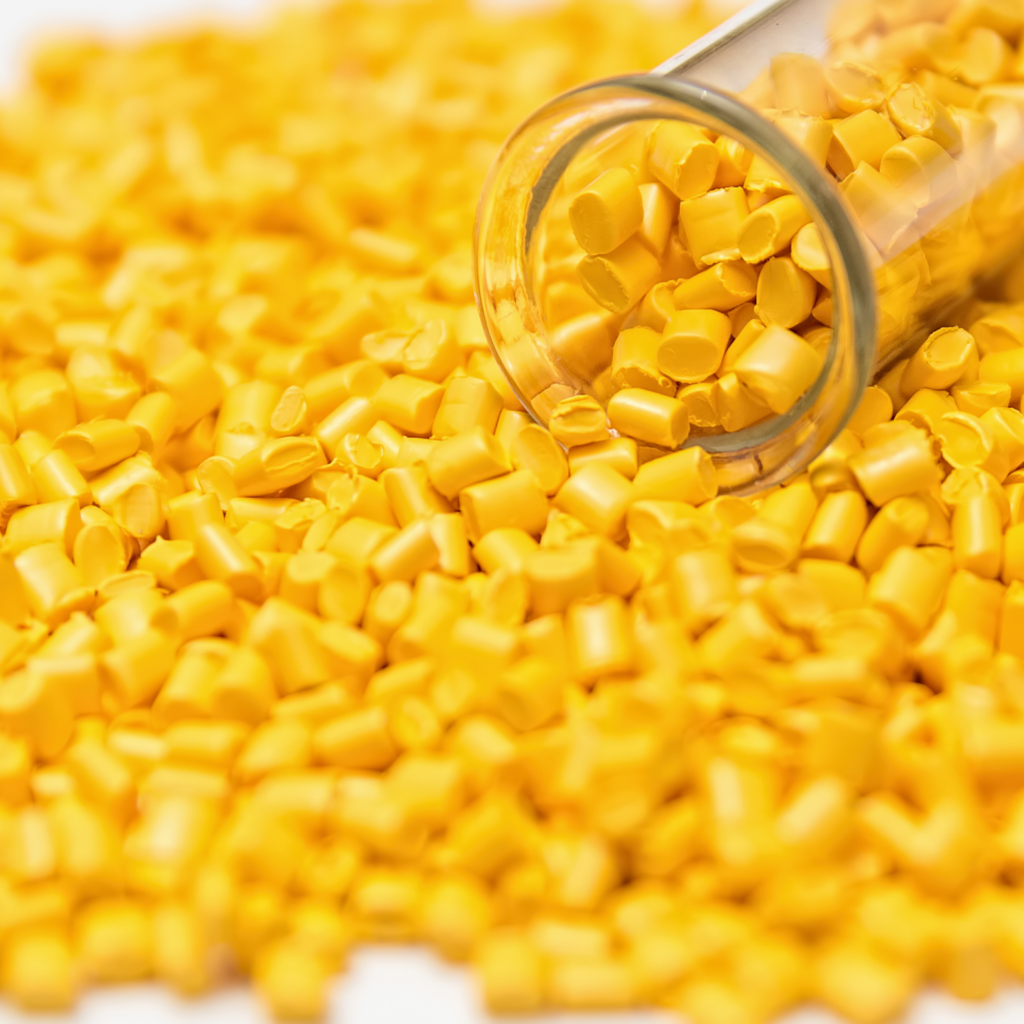
During plastic granules production and handling, a range of unwanted elements may enter the material stream. These include foreign bodies such as pieces of packaging, metal fragments, or other contaminants, as well as “angel hair” strands formed when molten polymer is stretched and solidifies as fine filaments. If not removed, these elements can cause blockages […]
CACO3 SAFETY SIEVING WITHIN PLASTIC PRODUCTION
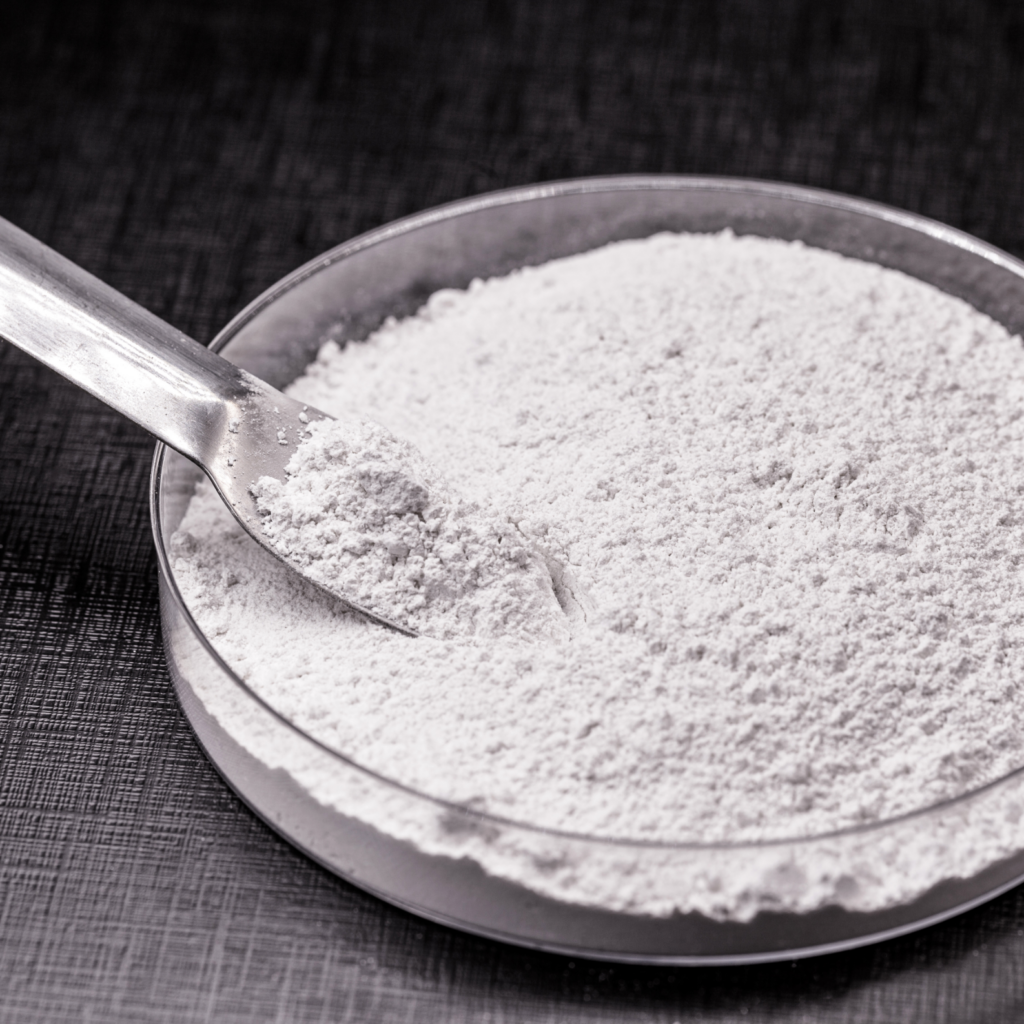
In plastic production, CaCO3 is commonly introduced as a fine powder or as a component of masterbatches to optimise mechanical properties, cost, and processing behaviour. During storage, handling, and transfer, the material can form agglomerates or pick up contaminants such as packaging fragments, metallic particles, or other foreign bodies. If these are not removed, they […]
SPIRULINA RINSING AFTER SALTWATER CULTIVATION
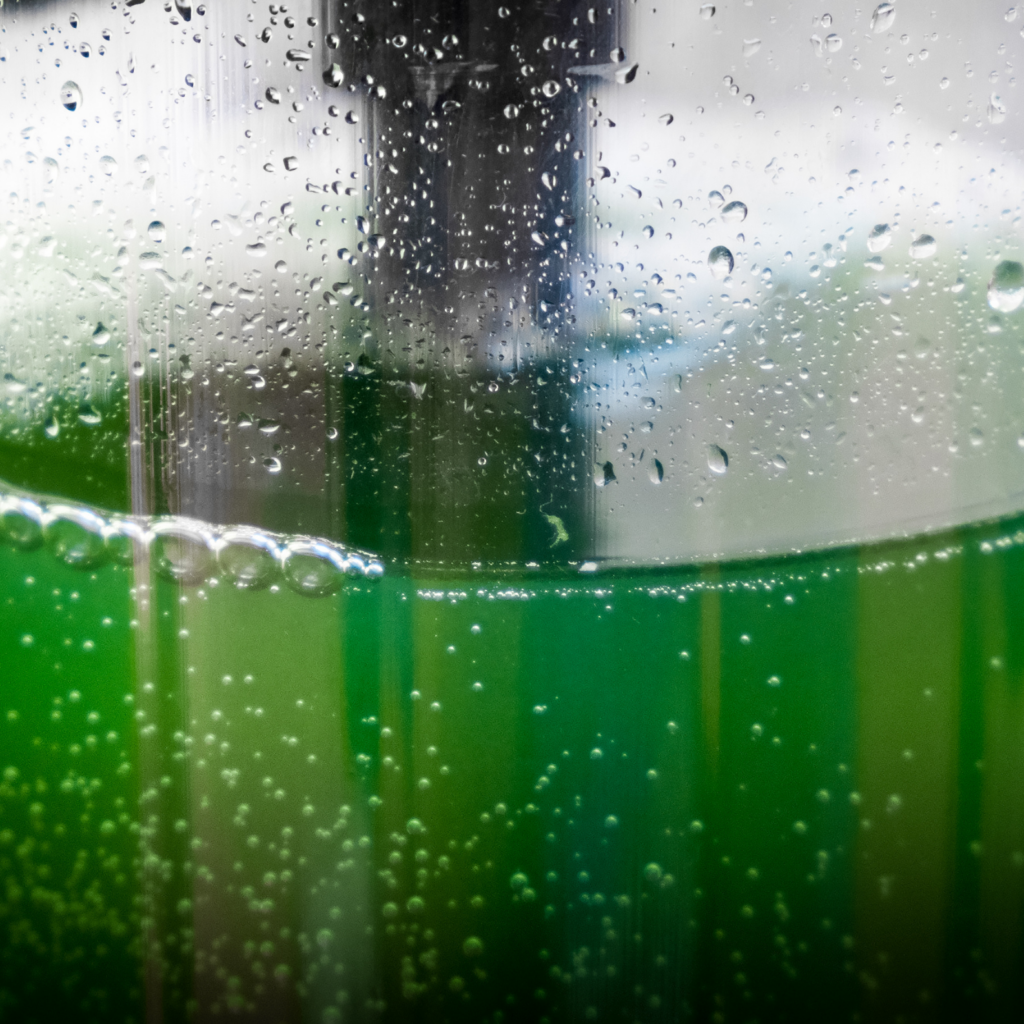
Saltwater cultivation systems are increasingly used for spirulina production in coastal or arid regions where freshwater availability is limited. However, the harvested biomass retains salt residues from the culture medium, which must be removed before drying and final processing. Inadequate rinsing leads to excessive sodium content, reduced shelf life, and potential contamination of drying or […]