
WHEAT FLOUR SAFETY SIEVING

Accurate safety sieving of wheat flour is a key step in preventing contamination and protecting both product quality and process reliability. The process removes foreign bodies such as fragments of paper, wood, or plastic from packaging, metal particles from production equipment, insects, and other impurities from bulk flour used in pasta, bread, cakes, biscuits, and […]
GRATED CHEESE SAFETY SIEVING

Grated cheese safety sieving removes unwanted contaminants such as hard crust fragments, packaging residues, metal particles from cutting tools, and other foreign particles that may be generated during the grating process. By extracting this oversize fraction before the grated cheese enters downstream equipment, producers reduce the risk of clogged lines, damaged machinery, and non‑conforming finished […]
How do vibrations act on the material to be screened?
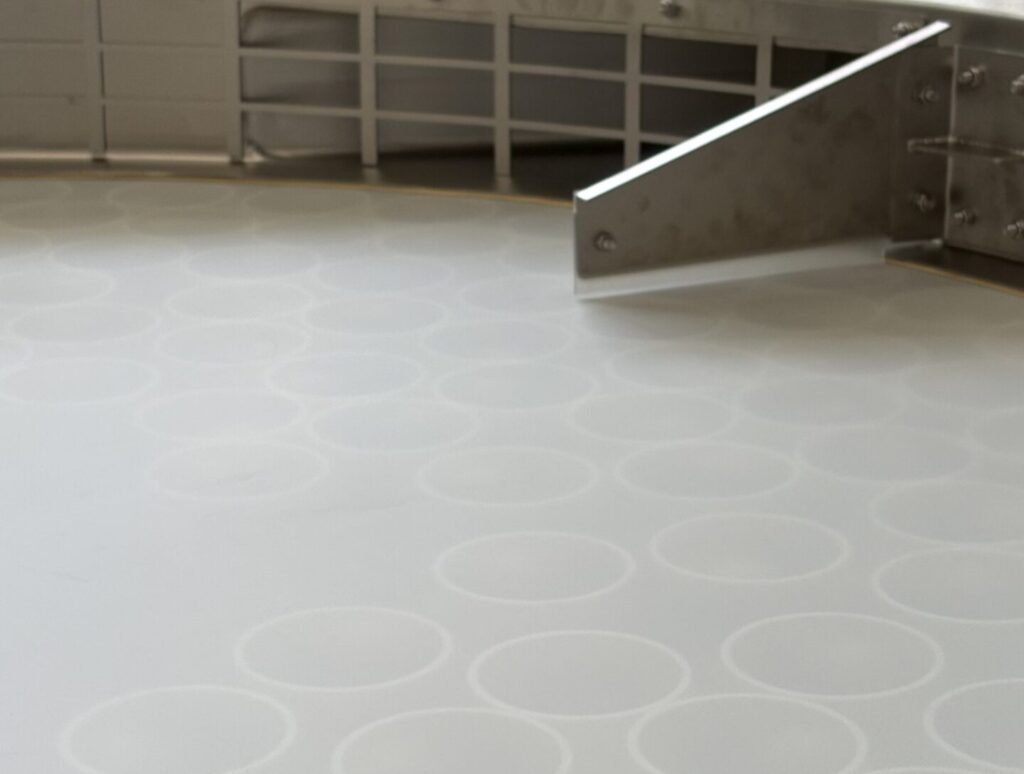
Many different types of circular vibrating screens are available on the market. You can find units with two opposing motors, with a vertical motor installed underneath the base of the screen, or with a single side motor. Why such variety? Each of these vibrator configurations generates a different type of vibration, and should be selected […]
MLT srl completes the acquisition of Cuccolini srl: continuity, vision and a new phase of growth
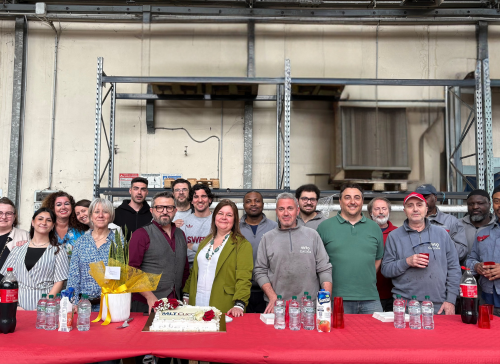
MLT srl announces the completion of the definitive acquisition of Cuccolini srl, effective from early May 2026. This is an important milestone and the natural evolution of a journey that began in recent years, led by the same management team that is now taking full entrepreneurial responsibility for the company. Over the last six years, Katia Motta and Pasquale Coppola have […]
From Agricultural Sieves to Industrial Vibrating Sieves: Where Vibration Meets Engineering

Every industrial vibrating sieve has a history that began thousands of years ago. A few millennia ago, as humankind was learning the first rudimentary processes to build, farm and cook, we invented one of our oldest separation tools: the sieve. A circular tool—sometimes little more than a woven basket made of plant fibres, animal bristles […]
CAROB FLOUR CLASSIFICATION

Carob flour is typically obtained through milling processes that generate fine powders with variable particle size distribution. During production and handling, agglomerates, foreign bodies, and oversize particles may be present, requiring effective classification to meet product specifications and ensure consistent quality. The classification process is particularly critical when fine cuts are required, such as around […]
FINE CLAY CLASSIFICATION FOR COSMETIC USE
Cosmetic-grade clays are characterized by very fine particle sizes and a natural tendency toward plasticity, which can complicate the classification process. Variations in granulometry, as well as the presence of foreign bodies or agglomerates, can impact the consistency and sensory properties of the final product. The classification process aims to remove both oversize particles and […]
GYPSUM SAFETY SIEVING AND CLASSIFICATION
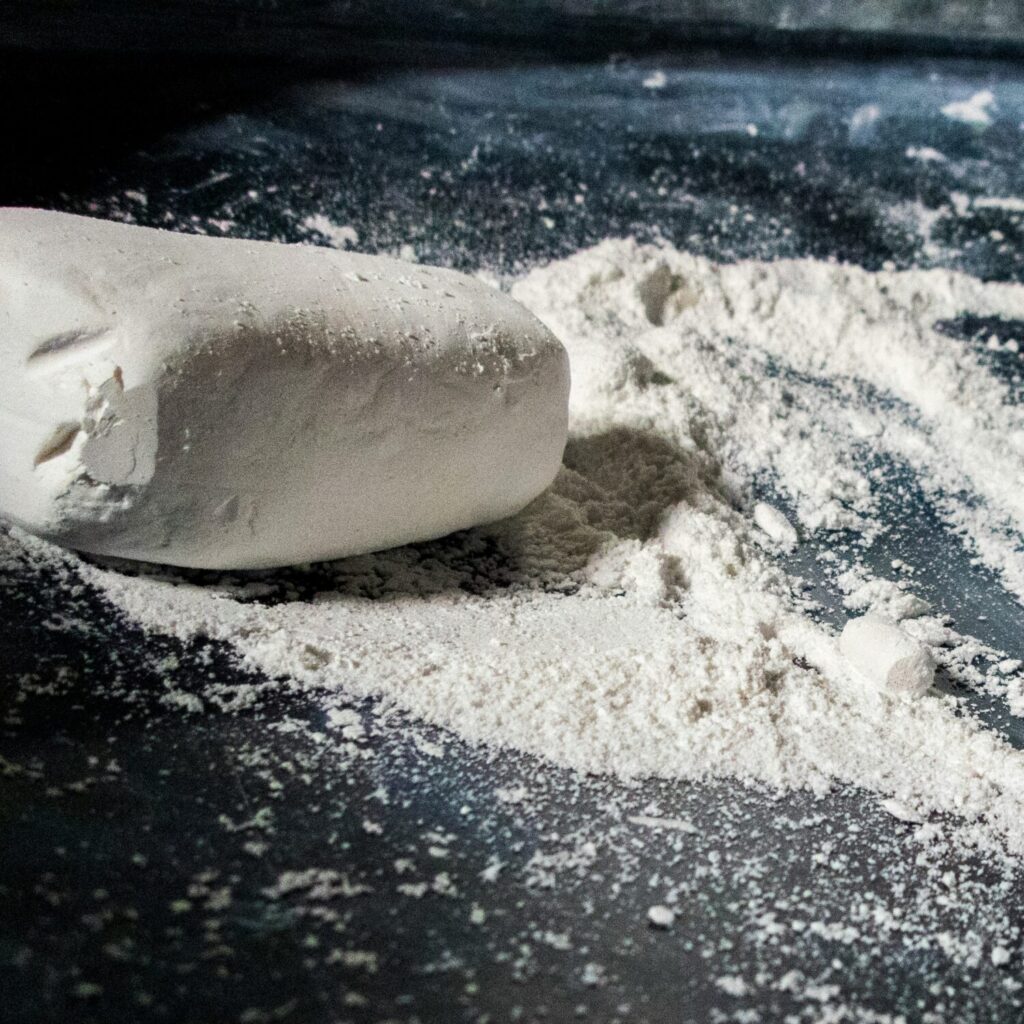
Gypsum powders, whether natural or synthetic, are typically processed through crushing, drying, and milling stages before final use. During these phases, contaminants and oversize fractions may be introduced or generated, making safety sieving a necessary step to protect equipment and ensure compliance with product specifications. Safety sieving focuses on the removal of foreign bodies and […]
PTFE MIXTURES CLASSIFICATION

PTFE mixtures typically consist of fine powders combined with additives that must remain homogeneous throughout the process. During handling and storage, however, agglomerates and foreign bodies can form or be introduced, while differences in particle morphology and bulk density may lead to segregation. These factors can negatively affect dosing accuracy, flowability, and the uniformity of […]
COPPER PENTAHYDRATE CLASSIFICATION

Copper pentahydrate powders present unique classification challenges due to their heterogeneous particle morphology. Coarser fractions typically consist of granular particles, while finer fractions exhibit a characteristic flake or snowflake-like structure. This variability can lead to inconsistent flow behavior, segregation, and difficulties in achieving a precise and stable particle size distribution. The classification process is essential […]