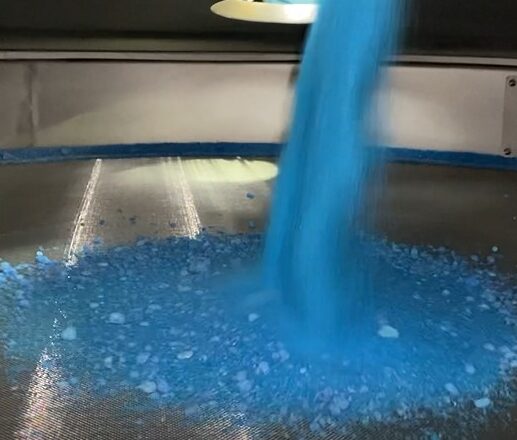
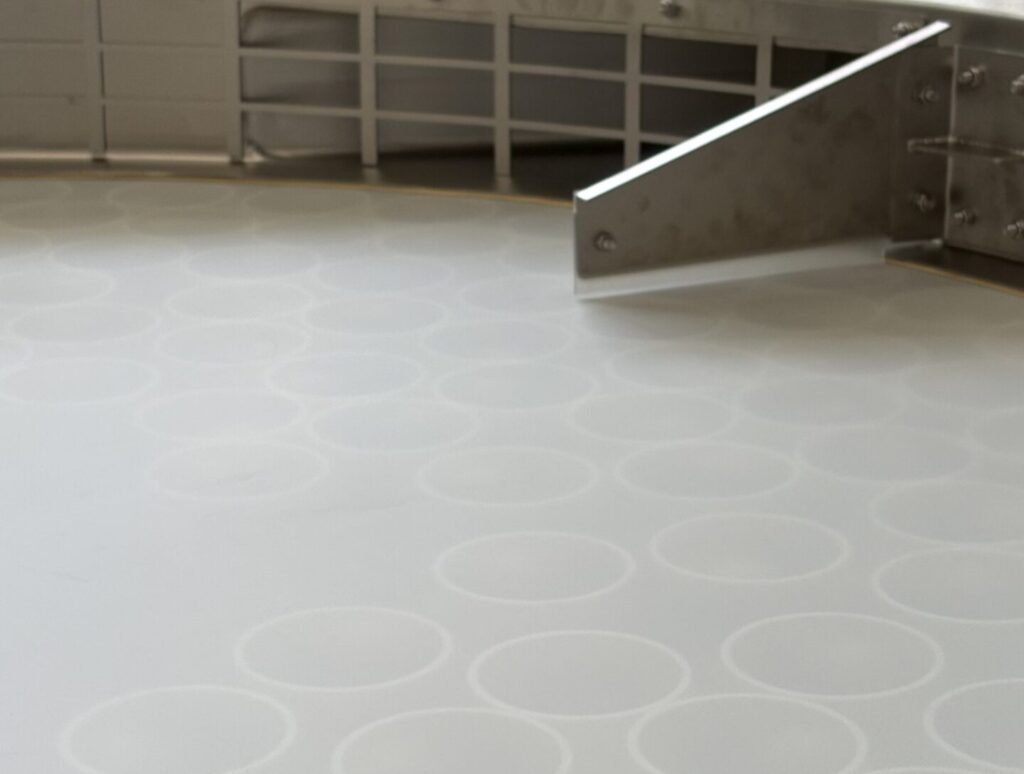
Screen size, accessibility and construction details affect more than installation. They also influence the time, effort and cost involved in keeping equipment clean and operating as intended.
When comparing industrial screens, separation performance and throughput naturally receive close attention. But the work required between production runs—and throughout the machine’s service life—deserves consideration too.
How easily can the screen be dismantled? How many fastening points need to be released? Are the internal surfaces accessible for cleaning? Which components require routine replacement?
These questions connect equipment selection with the practical responsibilities of production, maintenance and purchasing. At MLT Cuccolini, they are part of the design approach, alongside screening performance.
A smaller screen can make a practical difference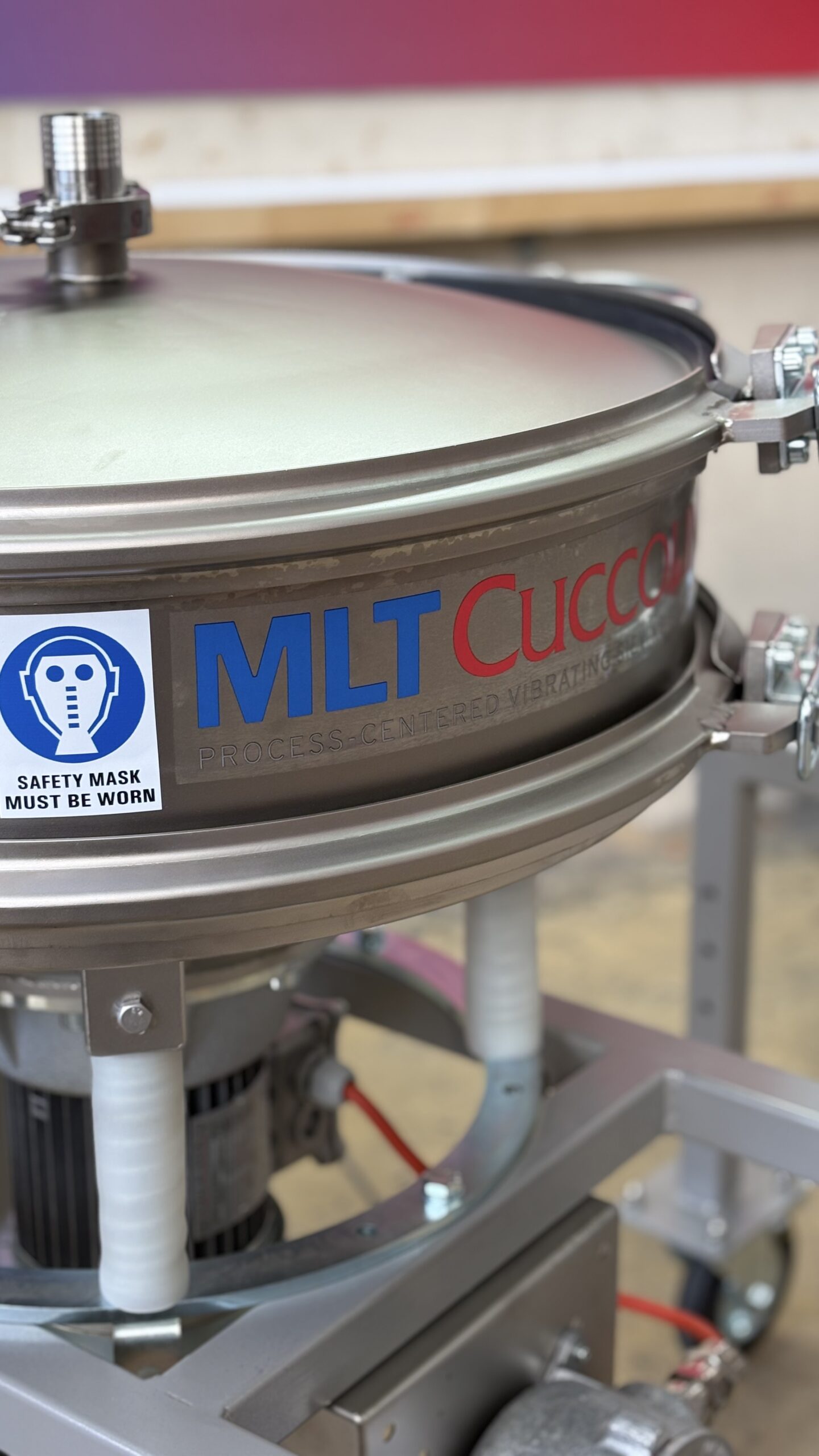
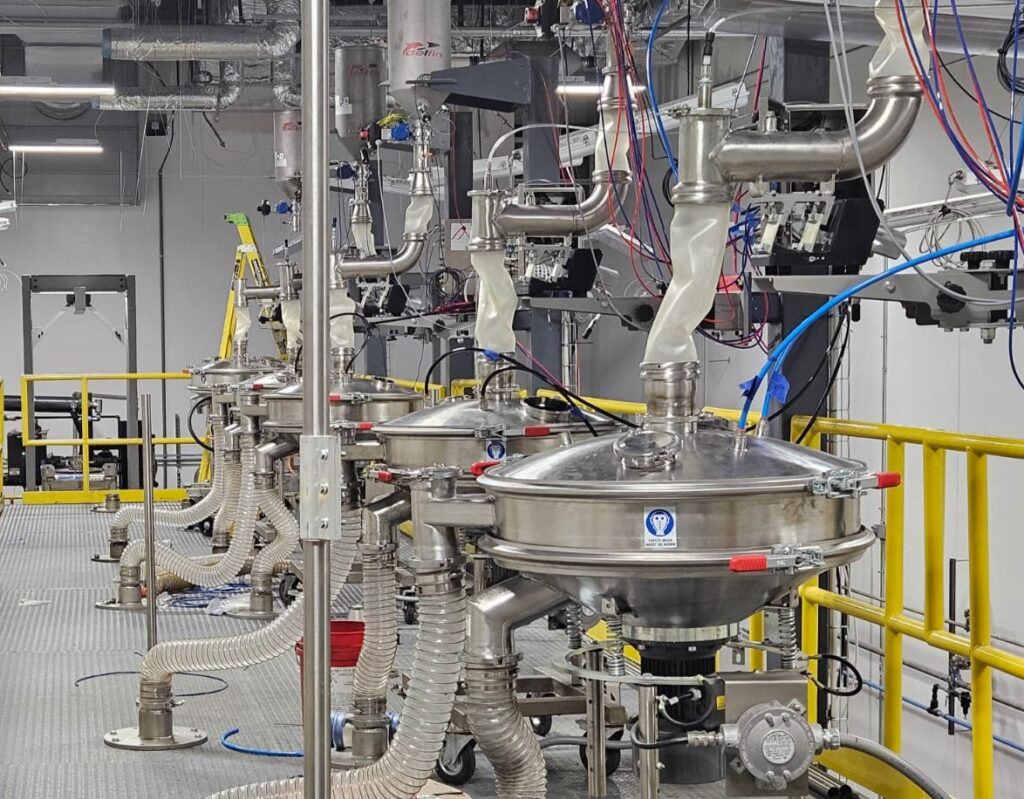
In our application experience, MLT Cuccolini screens offer a performance advantage typically ranging from 15% to 30% over competing solutions in most cases. Depending on the application, this can allow the required duty to be handled by a machine one size smaller – sometimes even two.
The benefit is therefore not limited to screening performance. A smaller machine can also reduce the difficulty, time and cost associated with routine maintenance and cleaning.
This does not mean selecting the smallest available screen. It means establishing whether a more compact configuration can meet the required separation and throughput objectives while making day-to-day handling more manageable.
The C-Line illustrates this approach. It accounts for approximately 80% of our production, and its largest model has a diameter of 1,500 mm. In suitable applications, this model can handle throughputs that require larger-diameter machines from other suppliers, while retaining manageable dimensions for maintenance.
Refined through approximately 30 years of industrial use
Our screen designs have been developed and refined over approximately three decades and put to work across a range of industrial environments.
The construction approach combines low weight, responsiveness to vibration and the strength required for long-term operation.
These objectives belong together. The machine needs to respond effectively to vibration while remaining durable under its intended operating conditions.
Long-term durability also depends on how the equipment is assembled, operated and maintained. Following the instructions for correct assembly and use, together with the prescribed maintenance schedule, remains essential.
Accessibility depends on the details
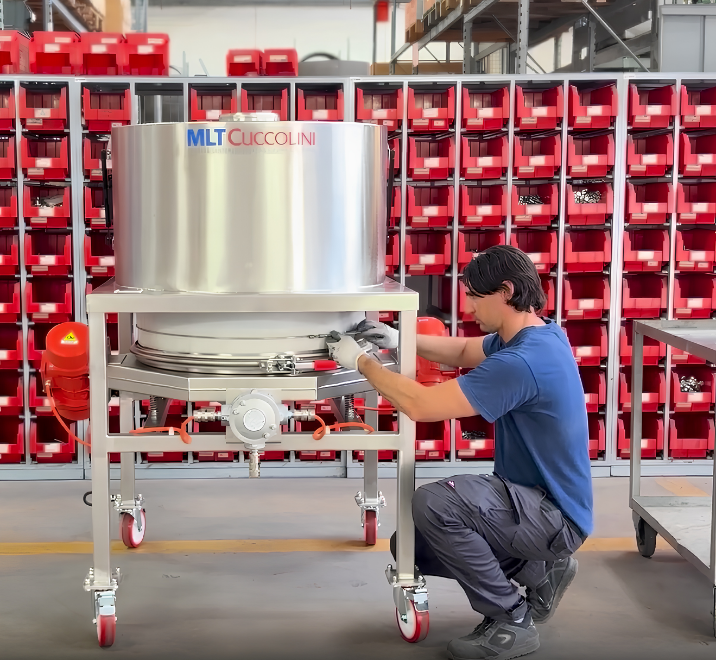
Access is not simply a matter of whether a machine can be opened. It also depends on the number and function of the fastening points and on the steps required to reach the components inside.
On our screens, fastening points have been designed to optimise both their number and their function.
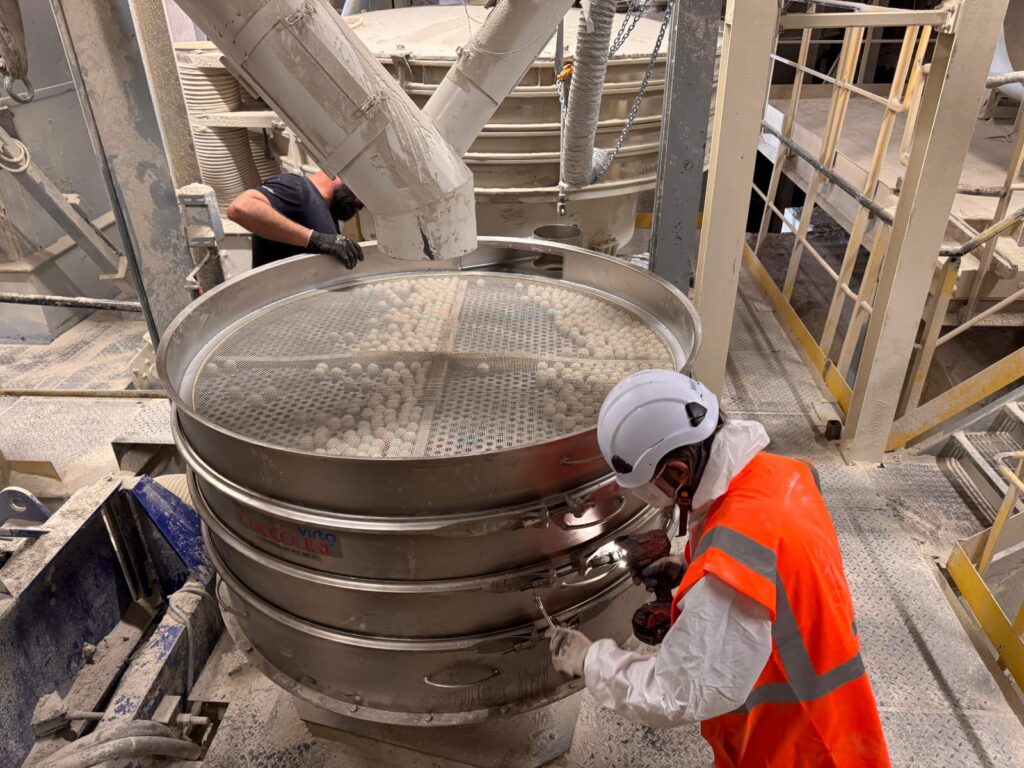
For a C-Line screen, complete dismantling typically takes approximately 10–15 minutes, extending to around 30 minutes for more complex configurations.
These figures refer to dismantling—not to the complete cleaning, inspection and reassembly cycle. Keeping those activities distinct is important when planning downtime or comparing maintenance requirements.
For the customer, the useful question is not only “How quickly does the machine open?” but “What work is required to complete the intervention safely and return it to service?”
Internal design supports cleaning
Our screens have internal geometries designed without product-retention points. A range of surface finishes is available, up to mirror polishing, to support cleaning requirements.
Accessibility and surface finish serve complementary purposes: the machine must provide access for the work, while its internal geometry and finish should facilitate product removal and cleaning.
The appropriate finish should therefore be discussed as part of the application requirements, rather than treated as an isolated specification.
Match the machine to the production pattern
Cleaning and maintenance requirements are not identical across all screening technologies.
The C-Line combines screening capability with straightforward access and dismantling. The X-Line and T-Line are more complex because of the specific screening duties they typically perform. They require more time for dismantling and are suited to continuous, single-product production.
This distinction matters when comparing solutions. The appropriate configuration should reflect not only the separation objective, but also how the customer intends to organise production, cleaning and maintenance.
Routine maintenance focuses on a defined set of components
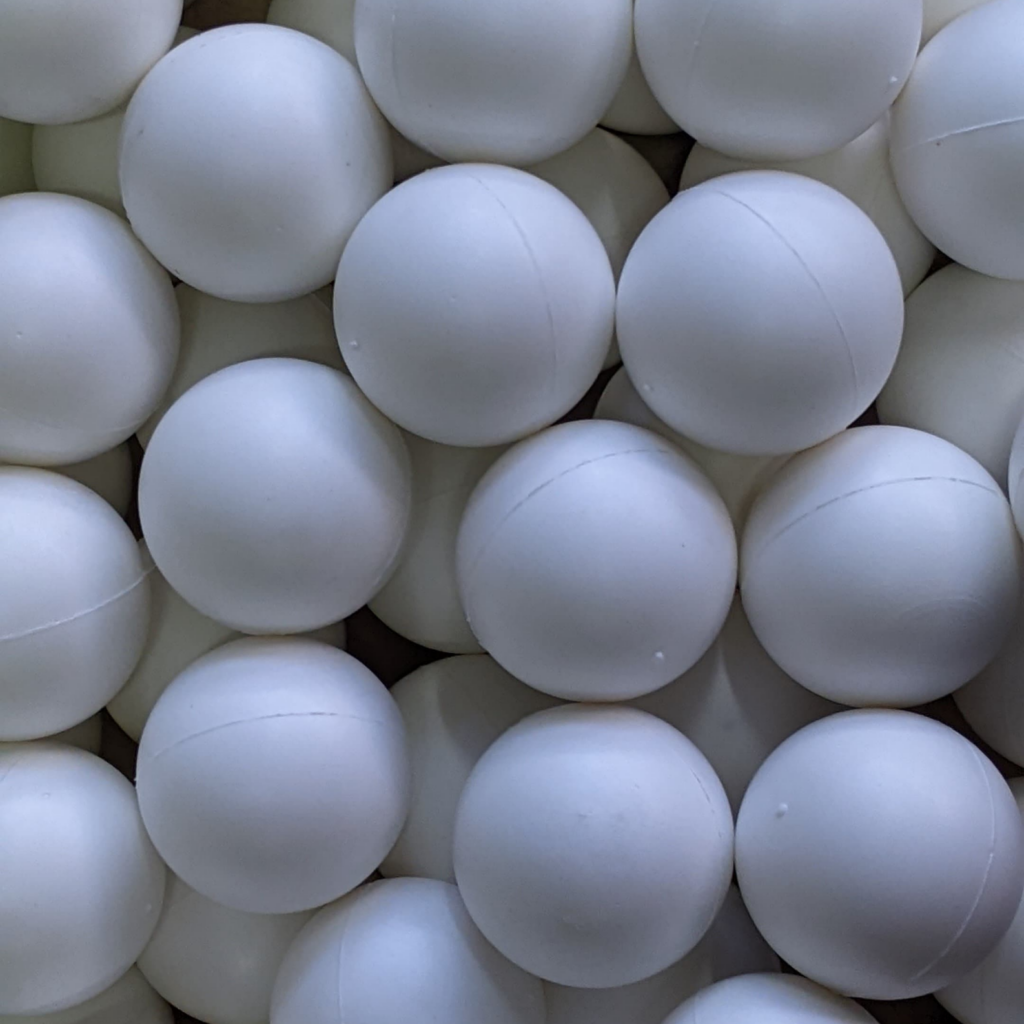
For all our screens, the BASIC spare-parts package is scheduled for replacement every 3,000 operating hours. It includes:
Replacing these components forms a straightforward, limited-cost part of periodic maintenance. The purpose is to maintain dust or liquid tightness, the screen’s responsiveness to vibration and the mesh-cleaning action.
This replacement interval should be considered alongside the other checks and instructions specified for the machine. It does not replace the full maintenance plan.
All maintenance operations must be carried out by qualified mechanics in accordance with the applicable instructions, so that the work is performed safely.
What to check before selecting a screen
For production, maintenance and purchasing teams, the comparison should extend beyond purchase price and nominal capacity.
Ask the supplier:
At MLT Cuccolini, we consider these questions part of selecting the right screening solution. The objective is to meet the process requirements with equipment that is also practical to clean, maintain and keep in service over time.